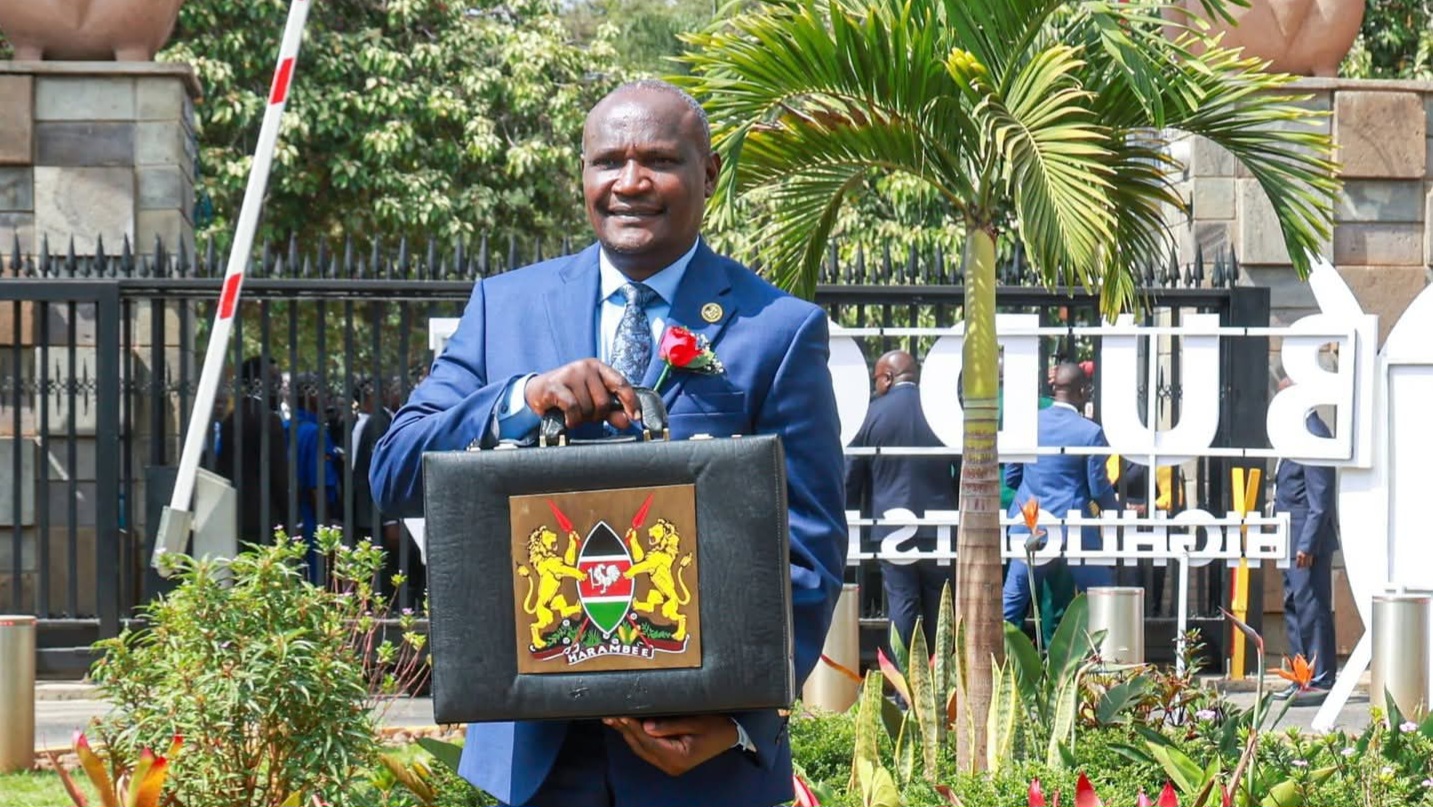
National Treasury Cabinet Secretary John Mbadi has assured Kenyans that plans to grant pay-as-you-earn (PAYE) tax relief to workers earning below KSh30,000 a month remain on course, despite the proposal not being included in the Finance Bill 2026.
Addressing the media shortly after presenting the 2026/27 Budget in Parliament on Thursday, June 11, Mbadi maintained that the proposal had not been dropped and urged the public not to interpret its omission from the Finance Bill as a change in government policy.
The CS explained that the Treasury is still completing data analysis related to the measure before moving ahead with its implementation.
"Even if it is not in the Finance Bill, it is not off the table. I have explained that there were some data analyses we were doing, and the President has pronounced himself that that is going to be implemented," Mbadi stated.
The clarification follows concerns from members of the public after the anticipated relief was left out of the Finance Bill 2026, despite earlier commitments by President William Ruto and the Treasury.
Mbadi reiterated that the government intends to honour the pledge, stressing that the delay should not be viewed as a policy reversal.
"We have committed. This government is not going to lie. Wait for that commitment. It is we who committed, and it is going to be implemented," he added.
The proposed tax relief was first announced by President Ruto, who pledged to ease the tax burden on salaried workers earning less than KSh30,000 per month, raising the threshold from the current KSh24,000.
Speaking during the National Prayer Breakfast on May 28, the President directed the Treasury to formulate proposals that would eliminate PAYE deductions for employees earning up to KSh30,000 monthly.
"I told the Treasury that it is time to look at how we can slow down, especially for the low-income earners, and remove some taxes from them," Ruto disclosed.
How the Relief Would Take Effect
If implemented, the proposed PAYE relief would reduce the amount of tax deducted from the salaries of thousands of low-income earners, allowing them to take home more pay each month.
Its absence from the Finance Bill fuelled speculation that the government may have put the plan on hold as it seeks to balance revenue collection with funding priorities.
Before such a measure can take effect, the National Treasury must first complete policy formulation and technical assessments, including data analysis to determine the proposal's fiscal impact and viability.
Once approved internally, the proposal would need to be anchored in law through amendments contained either in a Finance Bill or a separate tax legislation tabled before Parliament. Lawmakers would then debate and potentially amend the proposal before voting on it.
Following parliamentary approval and presidential assent, the Kenya Revenue Authority (KRA) would be tasked with rolling out the changes by adjusting tax systems and PAYE frameworks to reflect the new relief structure.