
Israel has barred nationals from five African countries, including Kenya, from travelling to the country following concerns over the spread of the Ebola virus in parts of Africa.
In a directive dated June 10, 2026, Israel’s Border Control Department instructed airlines not to allow affected travellers to board flights destined for Israel. The order applies to citizens of Kenya, Uganda, Rwanda, South Sudan and the Democratic Republic of the Congo.
The restrictions also extend to foreign nationals from other countries who have visited any of the five nations within 21 days before their planned journey to Israel.
"To all airlines, following the outbreak of the Ebola virus, effective from the receipt of this notice, you are prohibited from boarding foreign passengers who meet the criteria specified below on flights bound for Israel," the notice stated.
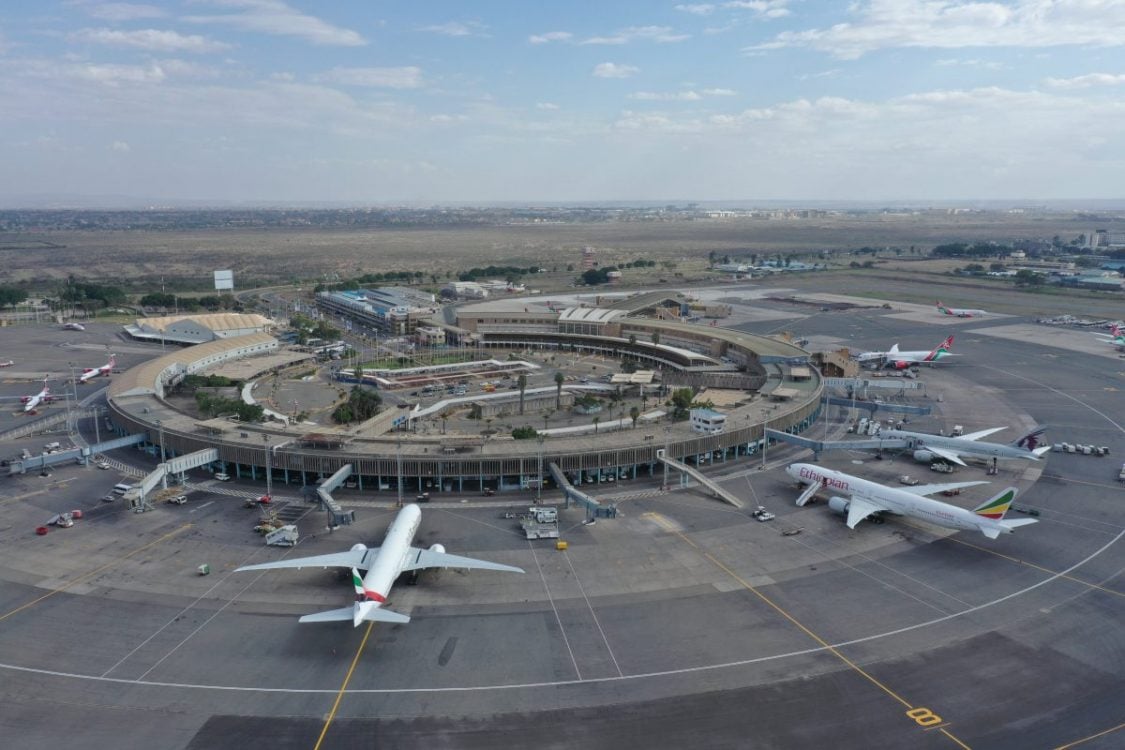
The Border Control Department further directed airlines to stop affected travellers from boarding flights headed to Israel.
"You are required to prevent foreign citizens and residents of the following countries from boarding flights arriving in Israel," the notice added.
Under the new measures, airlines have been instructed to carry out additional screening of passengers before departure. Carriers are required to confirm whether travellers have recently stayed in, transited through, or visited any of the listed countries before allowing them to board flights to Israel.
According to the directive, any foreign national found to have been in the affected countries within the specified period will not be permitted to travel to Israel. The measure places Kenya among the countries whose citizens and recent visitors are subject to the restrictions.
However, the Israeli government clarified that the directive does not apply to Israeli citizens or permanent residents. Such travellers will continue to be allowed entry into the country despite having recently visited the affected nations.
"For the avoidance of doubt, this directive does not apply to Israeli citizens or Israeli residents. Your strict compliance with these directives and your cooperation are highly appreciated," the Border Control Department clarified.
The travel restrictions come amid heightened efforts by governments around the world to contain the spread of Ebola and prevent cross-border transmission of the disease. Authorities in several countries have introduced stricter health surveillance measures, including enhanced screening at airports and border entry points, particularly for travellers arriving from regions considered to be at higher risk.
In recent weeks, countries such as the United States (US) and the United Arab Emirates (UAE) have also implemented tighter controls and monitoring procedures for passengers arriving from areas affected by the outbreak. The measures are aimed at strengthening public health safeguards while authorities continue to monitor developments linked to the virus.
Ebola is a severe and often fatal disease that spreads through direct contact with the bodily fluids of infected individuals or contaminated materials. Outbreaks have historically prompted governments to adopt emergency public health measures, including travel advisories, screening programmes and temporary entry restrictions.
Israel has not provided a timeline for when the latest travel ban will be lifted. The government has also not indicated whether additional countries could be added to the list should the outbreak expand further.
For now, the restrictions remain in force, with airlines expected to strictly enforce the directive and deny boarding to travellers who fall within the categories outlined by Israeli authorities.
Officials are expected to review the measures as the Ebola situation evolves and make further decisions based on public health assessments and developments in the affected regions.