The Kenya Meteorological Department (KMD) has warned that a developing El Niño weather phenomenon could trigger above-normal rainfall across the country later this year, raising the possibility of floods and weather-related disruptions.
In a statement dated Tuesday, June 9, KMD revealed that global climate models indicate an 80 to 82 per cent likelihood of El Niño developing between June and August 2026, with the probability rising to between 90 and 96 per cent for the phenomenon to persist through the end of the year.
According to the department, most forecasts suggest the event will be at least moderate in strength and could potentially become strong, significantly influencing weather patterns across Kenya and the wider East African region.
"Most models suggest the event will be at least moderate, and possibly strong," KMD stated.
The weather agency noted that El Niño's effects will vary depending on the season, with different regions expected to experience contrasting weather conditions in the coming months.
For June, July and August, KMD forecasts depressed rainfall in western Kenya, while much of the rest of the country is expected to remain largely dry. However, the outlook is expected to change dramatically towards the end of the year.
The department warned that El Niño is generally associated with increased rainfall between October and December, a period that often coincides with Kenya's short rains season.
"During October, November and December, El Niño is generally associated with increased (enhanced) rainfall over the entire country," the statement read.
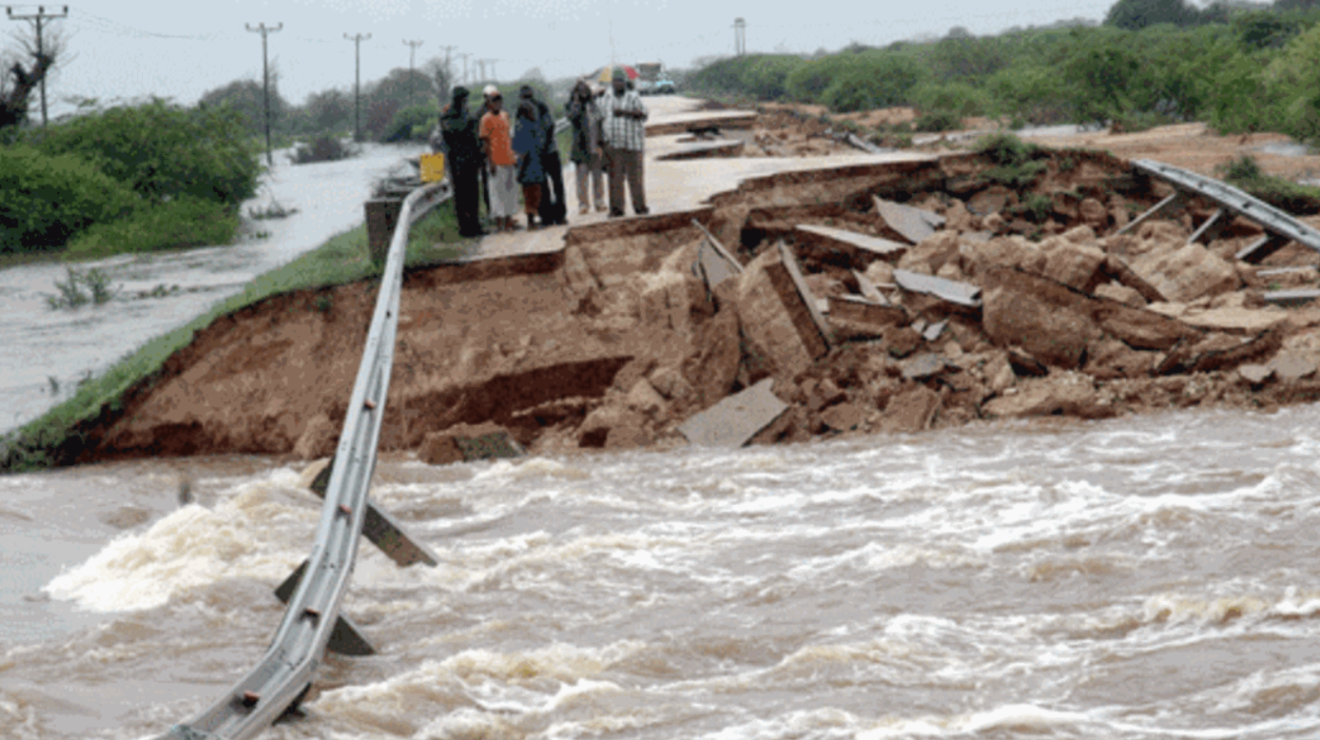
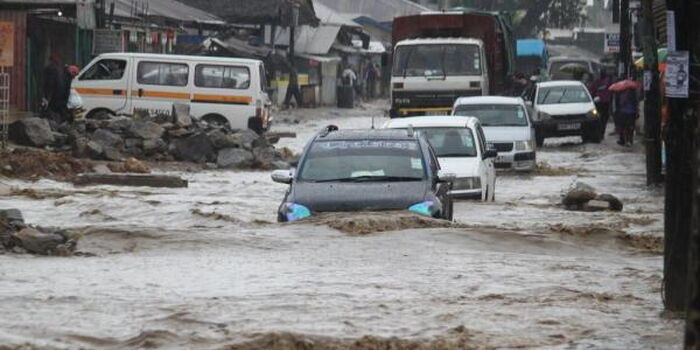
The announcement comes as memories of the devastating floods witnessed during previous El Niño seasons remain fresh among many Kenyans.
Heavy rains linked to El Niño events have historically caused widespread flooding, displacement of families, destruction of infrastructure and loss of livelihoods in several parts of the country.
KMD further disclosed that it is closely monitoring the Indian Ocean Dipole (IOD), another climate driver that can amplify the effects of El Niño.
Currently, the IOD remains neutral, but meteorologists say a positive IOD could develop later in the year. If that happens alongside El Niño, rainfall levels during the October-November-December season could increase significantly.
"The combined effects of El Niño and a positive IOD significantly influence rainfall patterns over Kenya potentially leading to enhanced rainfall during the October-November-December season," KMD stated.
In its June-July-August seasonal forecast, the department projected near-average to below-average rainfall over the Highlands West of the Rift Valley, Lake Victoria Basin, Rift Valley and parts of Northwestern Kenya.
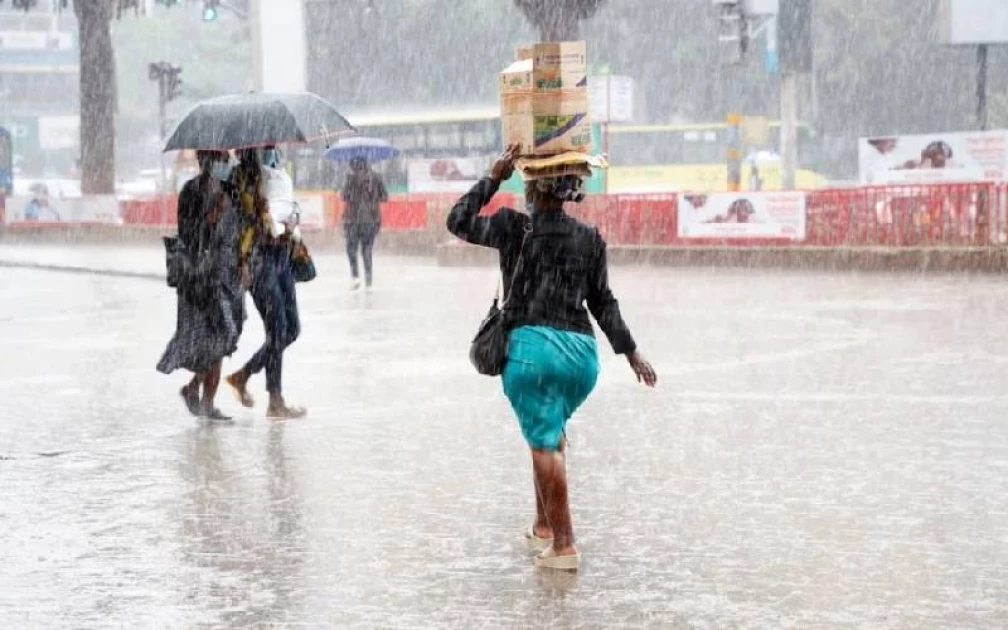
The Coast is expected to receive near-average to above-average rainfall, while Nairobi and the Highlands East of the Rift Valley could experience occasional cool and cloudy conditions accompanied by light rains.
Meanwhile, most areas in the southeastern lowlands and northeastern Kenya are expected to remain generally sunny and dry.
KMD also projected warmer-than-average temperatures across most parts of the country over the next three months.
The department urged Kenyans to continue monitoring official weather updates as forecasts are refined and additional climate information becomes available.
KMD is expected to release its detailed October-November-December seasonal forecast in late August or early September, offering a clearer picture of the potential impact of El Niño on different regions across the country.