Controller of Budget Margaret Nyakang’o has directed her office to step up monitoring of public expenditure amid concerns that the use of state resources could increase as Kenya approaches the 2027 General Election.
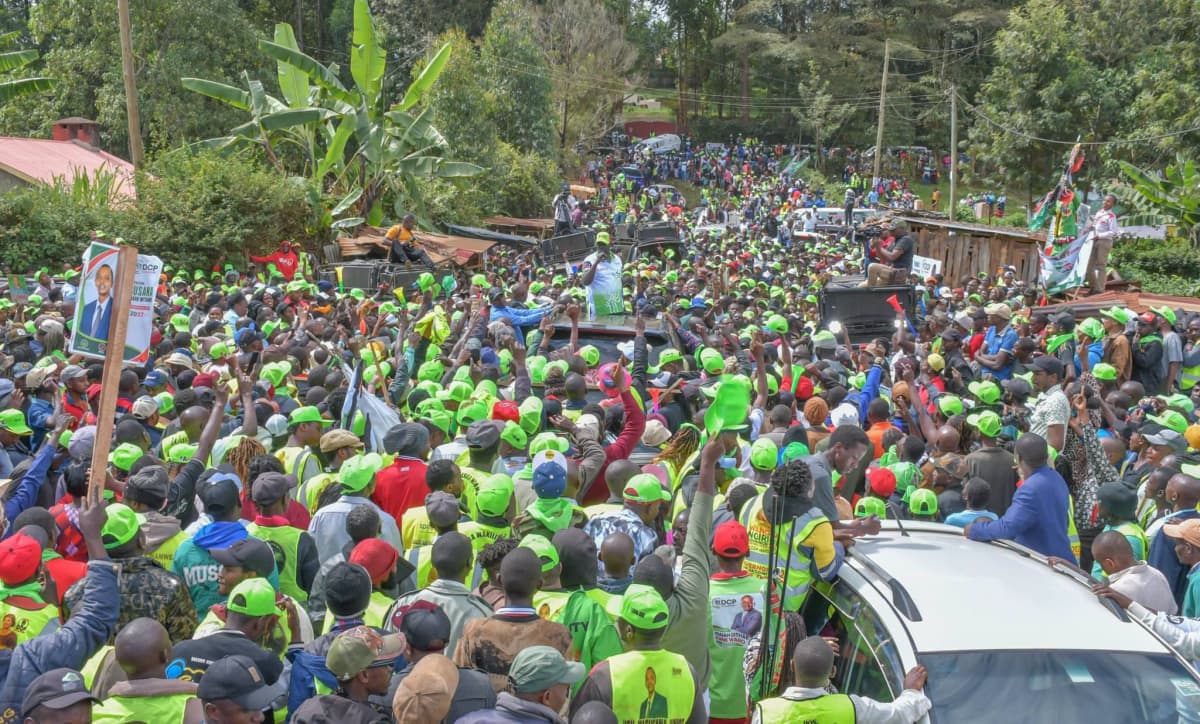
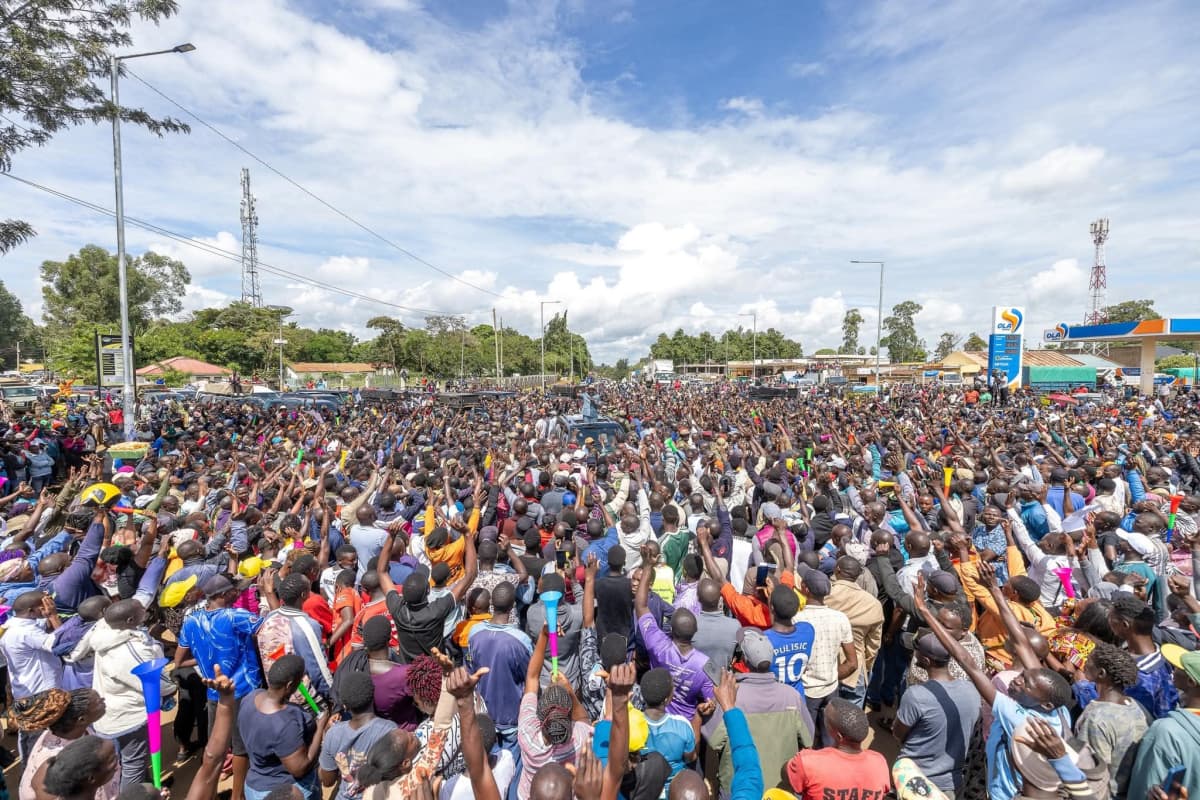
Nyakang’o warned that election-related activities, including political campaigns and engagements, could trigger increased misuse of public resources, such as government vehicles, fuel and personnel, particularly at partisan events.
She cautioned that increased expenditure could undermine service delivery and slow the implementation of development projects, especially in county governments.
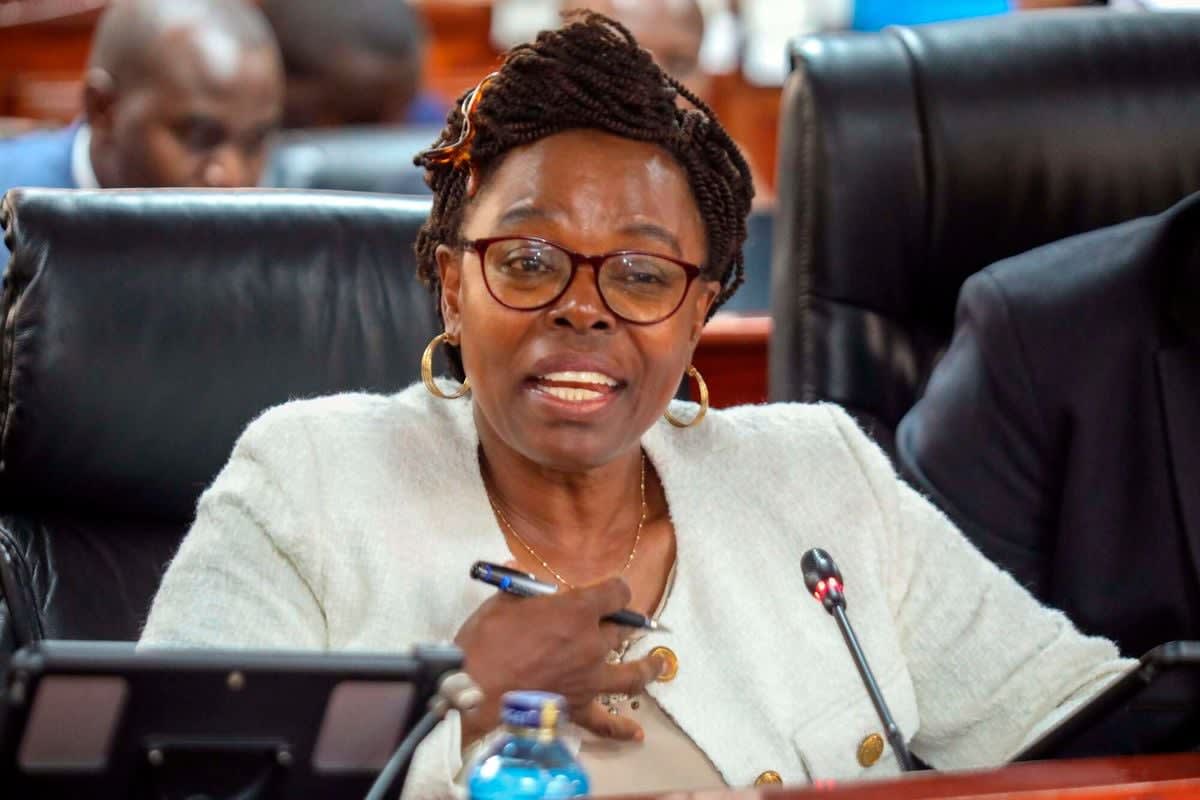
“As we move towards the elections, there is expenditure that is difficult to account for. We are also seeing public resources, including government vehicles, fuel and human resources, being used for partisan events. We are likely to record even higher spending than before. In the counties especially, the expected outputs from the budgets are likely to decline. In fact, we may see less achievement as we move closer to the election period,” she noted.
Nyakang’o said her office had already deployed teams to conduct field monitoring and would intensify oversight of development expenditure as the election draws closer.
The Controller of Budget said her office would increase monitoring and evaluation exercises to establish whether public funds are being spent for the purposes for which they were approved.
She explained that oversight can sometimes be challenging because accounting officers may give one justification when requesting funds but subsequently spend the money on different activities.
“My office is disadvantaged in that we cannot tell that they have done something else until the end of the quarter, but there are also other mechanisms. Right now, my teams are out doing monitoring and evaluation and we are going to increase that monitoring especially when it comes to development spending. We will redouble our efforts and go to the ground to ensure that they use the money for what they requisitioned it for,” she said.
Concerns over the use of public resources to finance political activities have persisted in recent months. In March, the Ethics and Anti-Corruption Commission (EACC) warned political aspirants against using public resources and state offices for campaign activities.
Nyakang’o also raised concerns over accountability gaps involving funds and levies outside the Consolidated Fund.
She cited the National Infrastructure Fund, Social Health Insurance Fund (SHIF), Primary Health Care Fund (PHCF) and Sovereign Wealth Fund among funds over which her office has limited visibility.
The Controller of Budget further identified supplementary budgets as another area where expenditure can receive less scrutiny compared to allocations made in the original budget.
According to Nyakang’o, county governments frequently reallocate funds during supplementary budgeting, including shifting money towards travel, which she said has contributed to a significant rise in such expenditure.
She also criticised what she described as wasteful government spending, pointing to lengthy conferences as an example of expenditure that could be reduced within public institutions.
Nyakang’o clarified that her office's primary mandate is to monitor expenditure against approved budgets and report on budget absorption.
She said responsibility for determining how funds were ultimately utilised falls under the mandate of the Auditor-General.