
Commercial motorcycle riders could cut their operating costs by up to 80 per cent by switching from petrol-powered bikes to electric motorcycles, according to electric mobility company Spiro.
The company made the revelation in its inaugural Sustainability Report, where it highlighted the financial benefits electric mobility is bringing to riders across Africa amid fluctuating fuel prices.
According to the report, riders using Spiro's electric motorcycles are reducing their operating expenses by between 70 and 80 per cent, while also spending less on maintenance than those using conventional petrol-powered motorcycles.
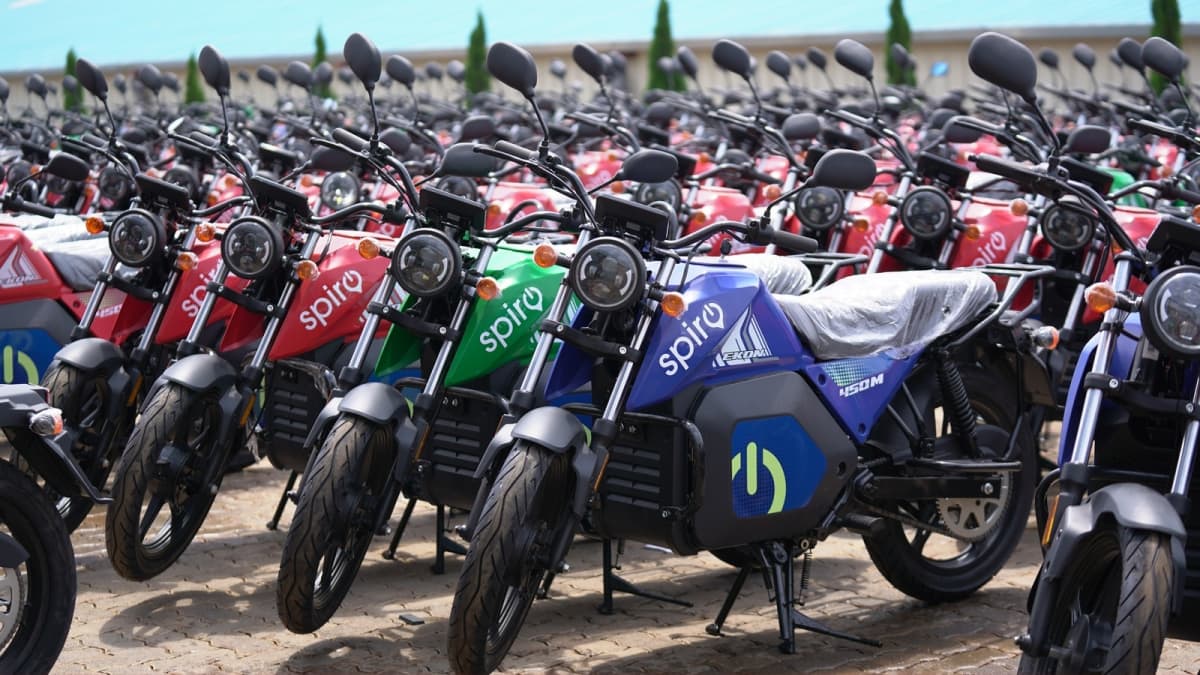
"Beyond environmental performance, the report underlines the growing economic benefits of electric mobility. Commercial riders using SPIRO motorcycles reduce operating costs by 70–80% compared with petrol-powered alternatives, while benefiting from lower maintenance costs and reduced exposure to fuel price volatility," the report stated.
The company said the savings are expected to encourage more commercial riders to embrace electric motorcycles as the continent seeks cheaper and cleaner transport alternatives.
Spiro added that its growing electric mobility ecosystem is projected to help avoid approximately 700,000 tonnes of carbon dioxide emissions annually by 2030, while it works towards achieving net-zero Scope 1 and Scope 2 emissions by 2040.
Speaking after the release of the report, Spiro Group Chief Executive Officer (CEO) Anant Badjatya said sustainability remained central to the company's expansion plans across Africa.
"This report reflects how far SPIRO has come—not only in terms of growth, but in our ability to measure and improve our impact. As we expand across Africa, sustainability will remain a core business driver, shaping how we invest, manufacture, innovate and partner for the long term," Badjatya said.
The report also revealed that Spiro trained more than 4,000 people across Africa in electric vehicle maintenance, battery management and technical operations through the Spiro Academy in 2025.
In addition, the company said it is exploring the installation of on-site solar power systems at selected battery-swapping stations and reported that energy efficiency measures at its assembly facilities had already reduced electricity consumption by an estimated 15 to 25 per cent.
