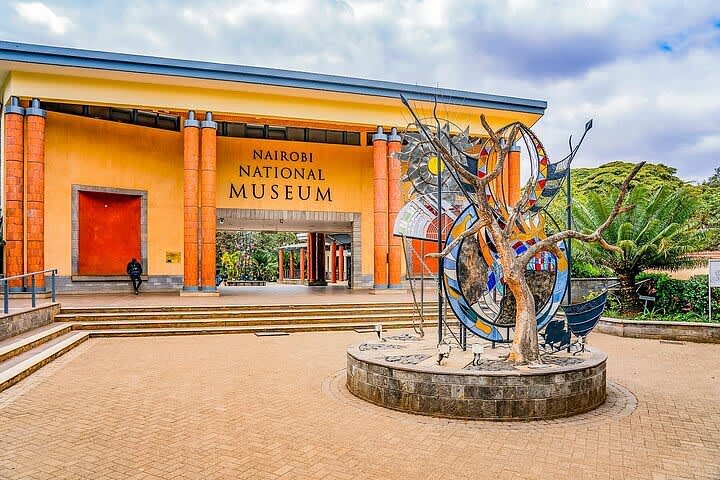


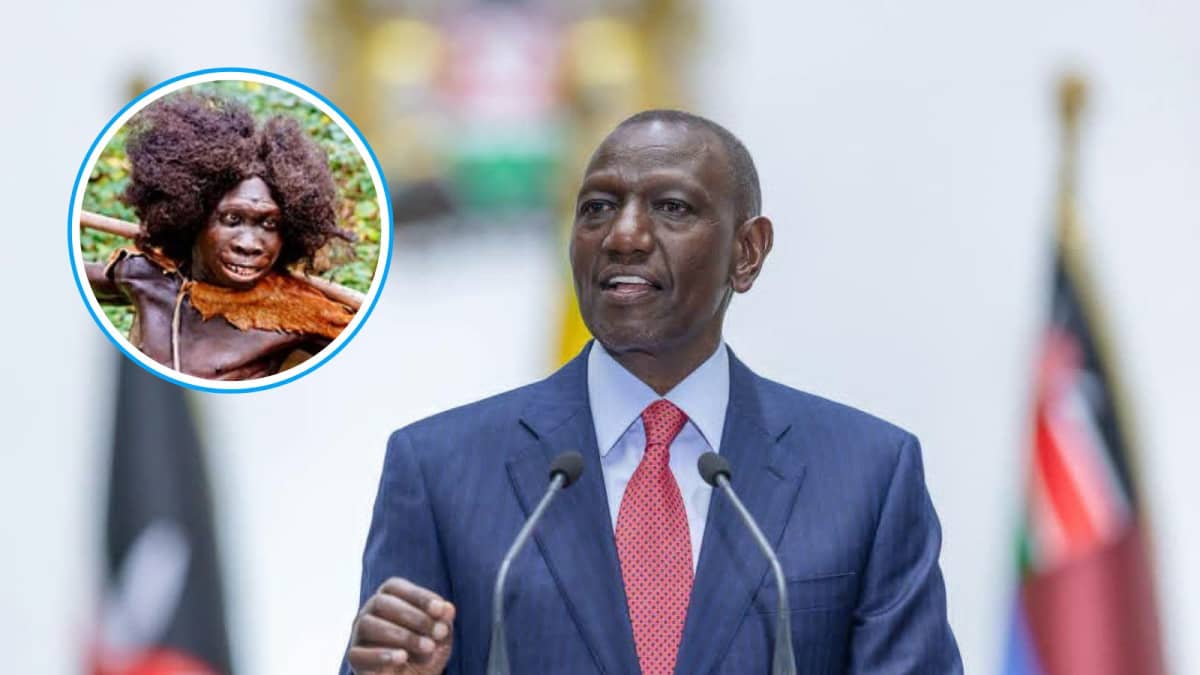
The 1.6-million-year-old remains of Turkana Boy, considered the most complete Homo erectus skeleton ever unearthed, will be relocated from the National Museums of Kenya in Nairobi to Uhuru Gardens National Monument for public exhibition, the government has announced.
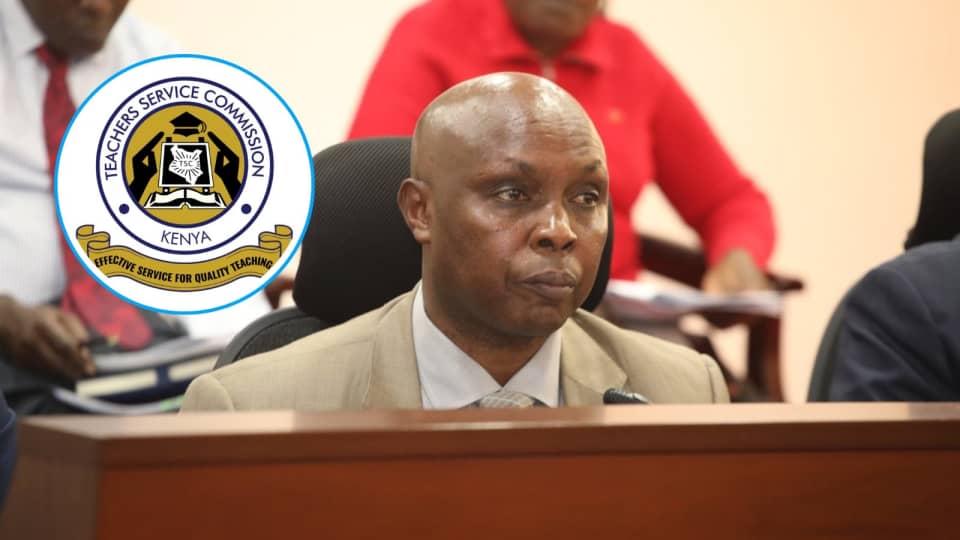
Head of Public Service Felix Koskei revealed on Tuesday, November 17, that preparations were underway to transfer the historic remains following a directive issued by President William Ruto.
Koskei explained that the move forms part of broader plans to transform Uhuru Gardens into a national heritage site where Kenyans and visitors will learn about the country's history and evolution over the years.
"Uhuru Gardens will preserve our history, celebrate our nationhood and give future generations a place to learn about Kenya’s journey," Koskei stated.
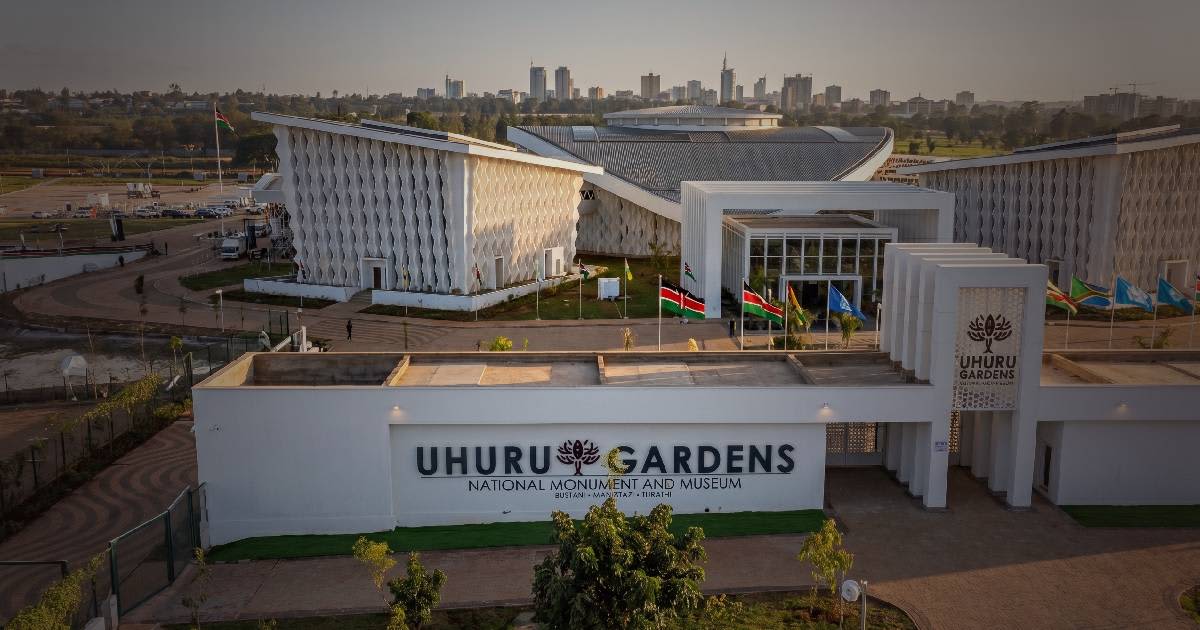
Under the changes approved by Cabinet, management of Uhuru Gardens will be transferred from the Ministry of Defence to the Ministry of Culture, with the handover taking place in phases.
The National Museums of Kenya will subsequently take charge of operating the facility, with Turkana Boy's original remains serving as the site's main attraction.
"The National Museums of Kenya will operate the site, with the original Turkana Boy as its anchor exhibit, in line with the Presidential Directive of 22 July 2026," Koskei added.
The announcement comes a day after President Ruto disclosed plans to make the internationally recognised fossil accessible to the public, initially identifying Uhuru Park as the proposed exhibition location.
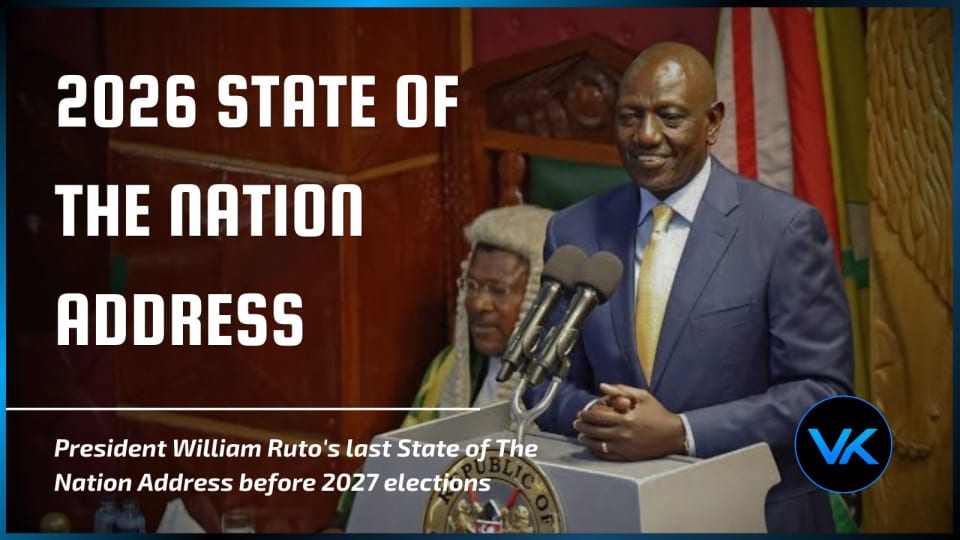
Speaking on Monday, November 16, 2026, during the Third Global Parliamentary Summit Against Hunger and Malnutrition at Parliament Buildings in Nairobi, Ruto told international delegates that the government was preparing to move the remains from their current secure storage at the National Museums of Kenya.
"Just for your information, we will shortly make the remains of Turkana Boy available for public viewing. At the moment, they are kept in a secure vault at the National Museums of Kenya, but we plan to make them accessible to visitors," Ruto said.
"It may not be this time around, but the next time you come, you will find the Turkana Boy, which is recorded by science as the remains of the first signs of man on Earth, somewhere a few kilometres from here, at Uhuru Park so that you can go and see where we all came from," he added.
Despite the latest announcement identifying Uhuru Gardens as the exhibition site, the government has yet to provide a specific date for the relocation or outline when the public will be able to view the original remains.
Currently, the original Turkana Boy skeleton is kept in a secure strong room at the National Museums of Kenya, while a replica is available for public viewing.
The planned relocation is expected to bring one of the world's most significant archaeological discoveries closer to the public, allowing visitors to engage with an important part of human evolutionary history.
Turkana Boy is among the most significant fossil discoveries in the study of human evolution, offering scientists valuable insights into the anatomy and development of early human ancestors.