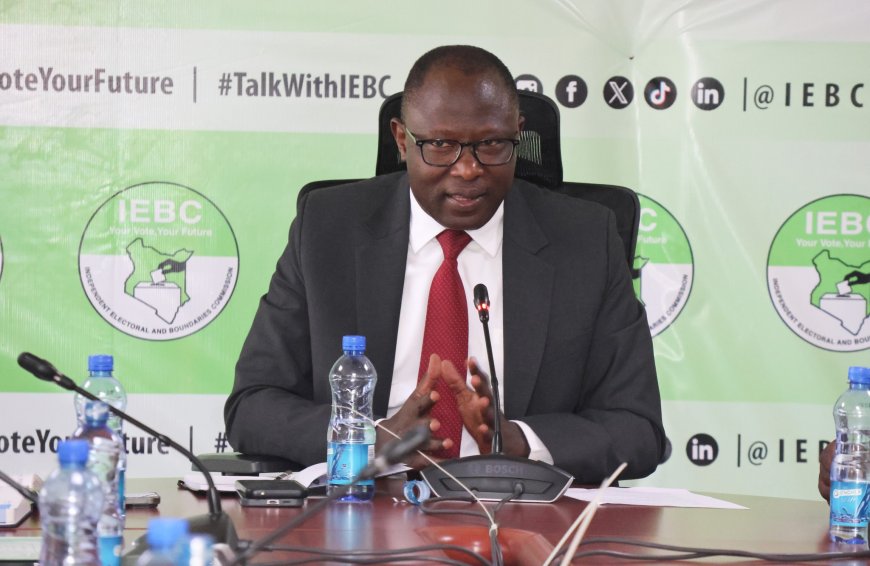
The Independent Electoral and Boundaries Commission (IEBC) has criticised recent remarks by political figures claiming they could influence or manipulate the outcome of the 2027 General Election.
In a statement issued on Tuesday, May 26, and signed by IEBC Chairperson Erastus Ethekon, the commission described the claims as a threat to Kenya’s democratic processes.
“These utterances, which have elicited considerable disquiet within the electoral environment, pose a real risk of distorting public perception of Kenya’s democratic processes. IEBC considers such utterances to be unacceptable, reckless and entirely baseless,” the statement read.
The electoral body warned that such remarks could erode public confidence in future elections by creating fear and misleading Kenyans about the integrity of the electoral system.
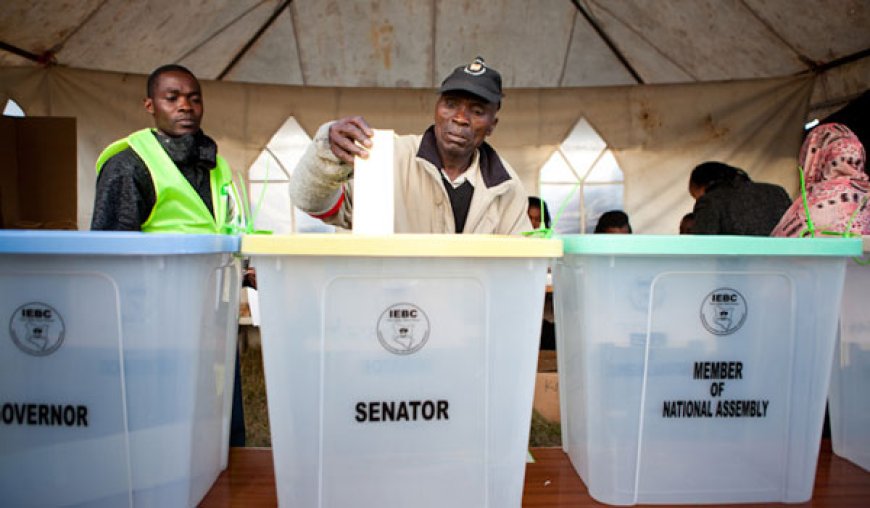
IEBC also dismissed claims that it is under external influence, maintaining that the allegations were false and undermined the institution’s constitutional mandate.
The commission further revealed that it would work with relevant authorities to take action against individuals making statements likely to weaken public trust in the electoral process.
“IEBC shall engage the relevant authorities for appropriate action. It is time political actors stopped hoodwinking the public that the election will be rigged and instead start embracing the steps set out on the country’s preparedness to conduct the 2027 General Election,” the commission wrote.
The statement follows controversial comments made by Ayub Savula, who suggested that President William Ruto’s administration would have influence over the 2027 polls because of its role in funding the national budget and facilitating IEBC operations.
Savula, who is leading Ruto’s re-election campaign in Western Kenya, later defended the remarks, saying they had been taken out of context and were intended to demonstrate political confidence in the government ahead of the election.
The comments, made during a United Democratic Alliance delegates’ meeting in Lugari, also sparked criticism after Charles Gimose allegedly urged delegates to ensure Ruto secures victory in the next election.
The controversy later forced Deputy President Kithure Kindiki to distance the Kenya Kwanza administration from claims of possible election interference.
Speaking in Kisii on May 25 while inspecting government projects, Kindiki stated that the administration supports democracy, the rule of law and fair political competition.
IEBC clarified that the Electoral Code of Conduct is not currently in force because no election has officially been declared, referencing the 2022 Supreme Court ruling in the Sabina Chege petition.
The commission also noted that the 2027 General Election has not yet been officially gazetted, terming ongoing political claims about vote rigging and election manipulation as premature and irresponsible.
IEBC reiterated that the constitutional responsibility to conduct and supervise elections belongs exclusively to the commission under Article 88 of the Constitution and cannot be exercised by any political actor or institution.