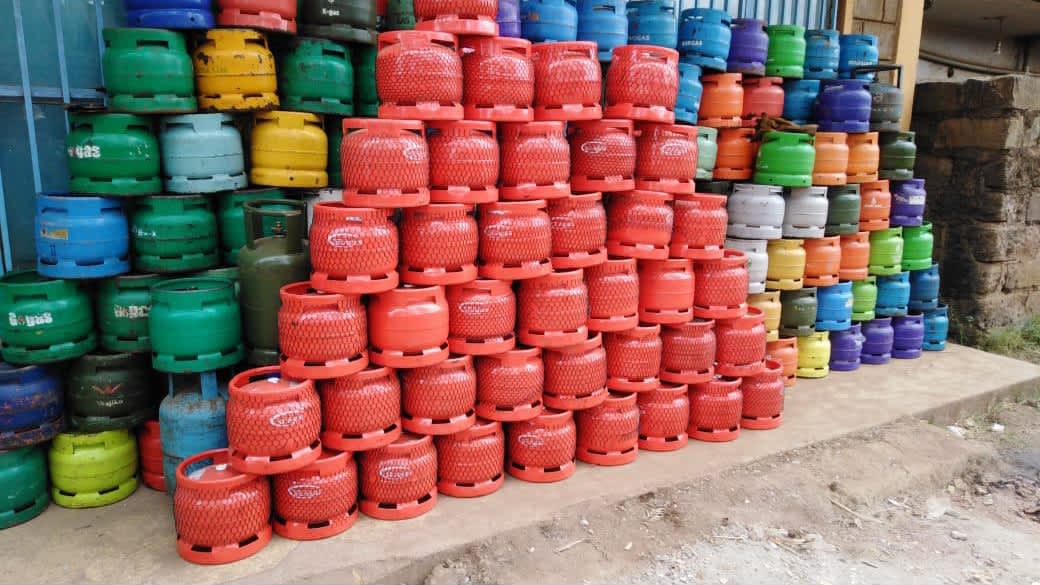
The Ministry of Energy and Petroleum has launched the distribution of subsidised LPG gas cylinders to families in Nyandarua County, signalling another step in the government's campaign to promote clean cooking solutions.
Residents of Ol Kalou Constituency are the first in the county to benefit, with the ministry announcing that 20,000 gas cylinders have been allocated across the constituency's five wards.
The exercise was officially launched on Monday, July 6, by Petroleum Principal Secretary Kello Harsama, who said Nyandarua had become the sixth county to join the subsidised LPG programme.
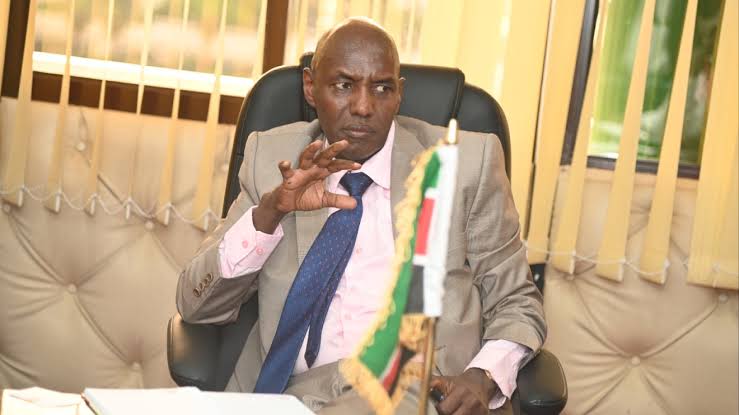
“Nyandarua is the 6th county in Kenya to benefit from the subsidized LPG programme and Ol Kalou is the first constituency in Nyandarua to benefit from the programme and is among the first nine constituencies in the country to receive this support,” stated PS Harsama.
“We have enough gas cylinders for every ward in this constituency, 20,000 in number, and every mother in this congregation will go home with a cylinder, and many more will be distributed in the coming months.”
Harsama added that Ol Kalou is the first constituency in Nyandarua to receive the initiative and is also among the earliest constituencies nationally to benefit from the programme.
The phased distribution will initially target all five wards in the constituency—Kanjuiri Range, Rurii, Mirangine, Karau and Kaimbaga—with additional cylinders expected to be supplied over the coming months as the government expands access to clean cooking fuel.
The initiative, championed by President William Ruto, has already been implemented in six counties, including Makueni, Machakos, Kitui and Kajiado.
The broader nationwide rollout is being implemented through the Mwananchi Gas Project, which seeks to improve access to affordable cooking gas for low-income households in all 47 counties.
Through the programme, beneficiaries receive subsidised 6-kilogram LPG cylinders, burners and grills under a cost-sharing arrangement involving the government, private sector players and consumers.
Under the revised funding model, the government meets 40 per cent of the cost, LPG marketing companies contribute another 40 per cent, while consumers pay the remaining balance.
Unlike the initial proposal, the cylinders are no longer issued entirely free of charge after the government revised the model to reduce abuse of the programme and enhance its long-term sustainability.
Each subsidised cylinder is fitted with track-and-trace technology overseen by the Energy and Petroleum Regulatory Authority (EPRA) to enhance safety standards and ensure product quality.
The government ultimately aims to transition between four million and eight million households from using firewood, charcoal and kerosene to cleaner cooking energy, helping reduce environmental pollution and deforestation.
