
Four Kenyan startups are among 15 artificial intelligence-focused companies from across Africa that have graduated from the Google for Startups Accelerator Africa programme, highlighting the growing role of AI-powered businesses in solving some of the continent's biggest challenges.
The startups, drawn from Kenya, Nigeria, South Africa, Uganda, Tanzania, Senegal, Côte d’Ivoire and Angola, completed the three-month hybrid accelerator programme designed for growth-stage technology companies.
According to Google, 60 per cent of the graduating startups are already profitable, generating an average monthly revenue of $60,000 (approximately Ksh7.7 million) and collectively raising an average of $1.1 million (about Ksh141 million) in funding.
The milestone was marked during the 2026 Close-out Week and Demo Day held in Nairobi on Thursday, June 18, where founders showcased how they are deploying artificial intelligence across the fintech, mobility, healthtech, agritech and Software-as-a-Service (SaaS) sectors.
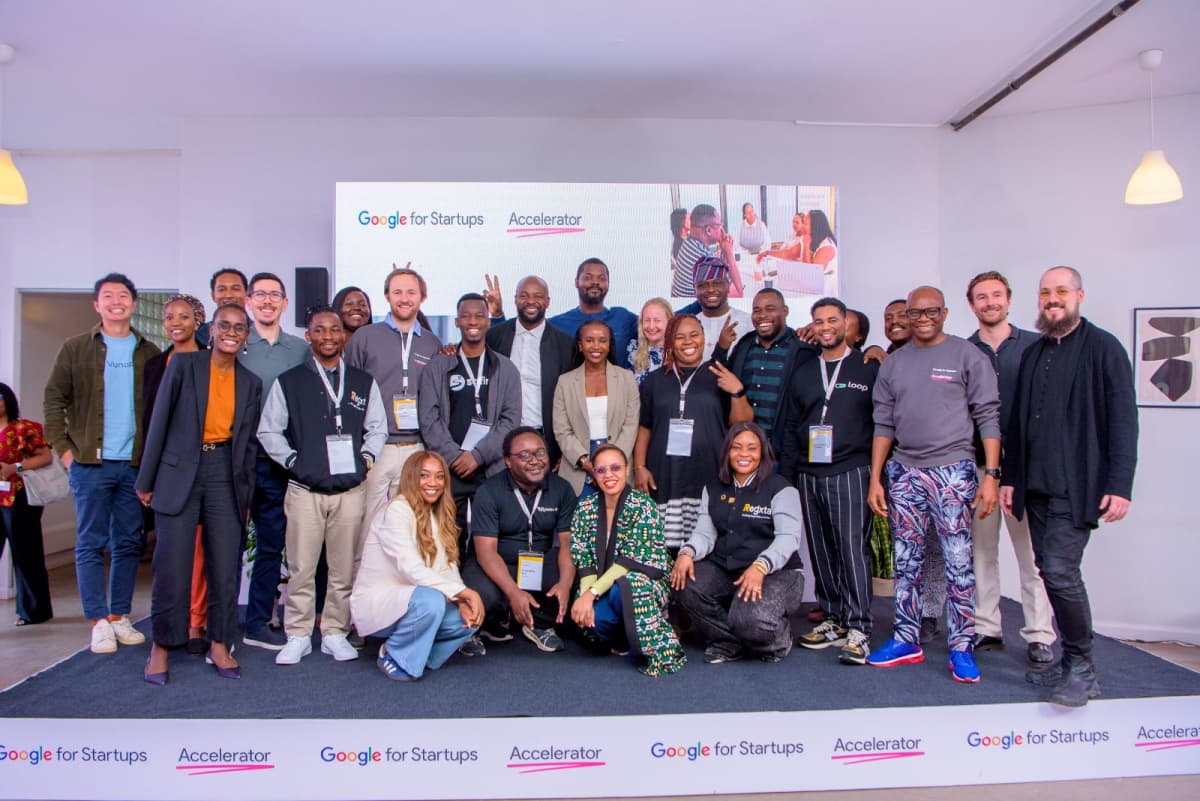
The latest cohort reflects a broader shift in Africa's technology ecosystem, with startups increasingly leveraging AI and machine learning to address long-standing infrastructure, financial and operational challenges.
Between March and June 2026, Google paired participating startups with advanced technologies, global engineering experts and mentorship programmes aimed at helping founders scale their businesses.
Speaking during the Demo Day event, Google Managing Director for Africa Alex Okosi praised the startups for developing practical AI-driven solutions.
"We are proud to see how these startups are innovatively using AI to tackle real world challenges across the continent. Through our equity-free support and connection to Google services, we are providing founders with a blended model that offers the much needed support and mentorship that founders need to thrive," Okosi said.
Google's Head of Startup Ecosystem for Africa, Folarin Aiyegbusi, said this year's programme placed a strong emphasis on helping entrepreneurs harness AI and machine learning to create social and economic impact.
"This year's cohort has featured startups that are using AI to drive social change in the Fintech, Mobility, Healthtech, Agritech, and SaaS sectors. Through our programme, we provide tailored support to help founders use advanced technologies to scale impact in their communities while unlocking new opportunities for economic growth," Aiyegbusi stated.
Among the standout participants were four Kenyan startups using AI and data infrastructure to address critical gaps in the economy.
Coamana is modernising traditional food supply chains by using AI to analyse real-time market data, making informal food markets more visible and traceable for businesses and governments.
Duck is helping consumer brands combat retail stock shortages through real-time data intelligence and improved visibility into shop-floor operations.
ReportsAI has developed an AI-powered platform that converts unstructured data into institutional knowledge and compliance-ready reports for impact-driven organisations.
Meanwhile, VunaPay is tackling delayed payments for smallholder farmers through fintech solutions and data infrastructure specifically designed for agricultural cooperatives.
The broader cohort also featured startups such as Tanzania's Safiri, which is building digital infrastructure to improve the movement of people and goods across Africa, alongside companies from Nigeria, South Africa, Uganda, Senegal, Angola and Côte d’Ivoire focused on payments, mobility, healthcare digitisation, financial inclusion and multilingual AI solutions.
Since launching in 2018, the Google for Startups Accelerator Africa programme has supported more than 190 startups across 17 African countries.
According to Google, alumni of the programme have collectively raised over $400 million (about Ksh51.2 billion) and created more than 3,500 jobs. The technology giant has also provided $11 million (approximately Ksh1.4 billion) in equity-free funding and product credits to participating startups.
The latest graduation underscores the increasing maturity of Africa's startup ecosystem, with AI emerging as a key driver of innovation, investment and job creation across the continent.