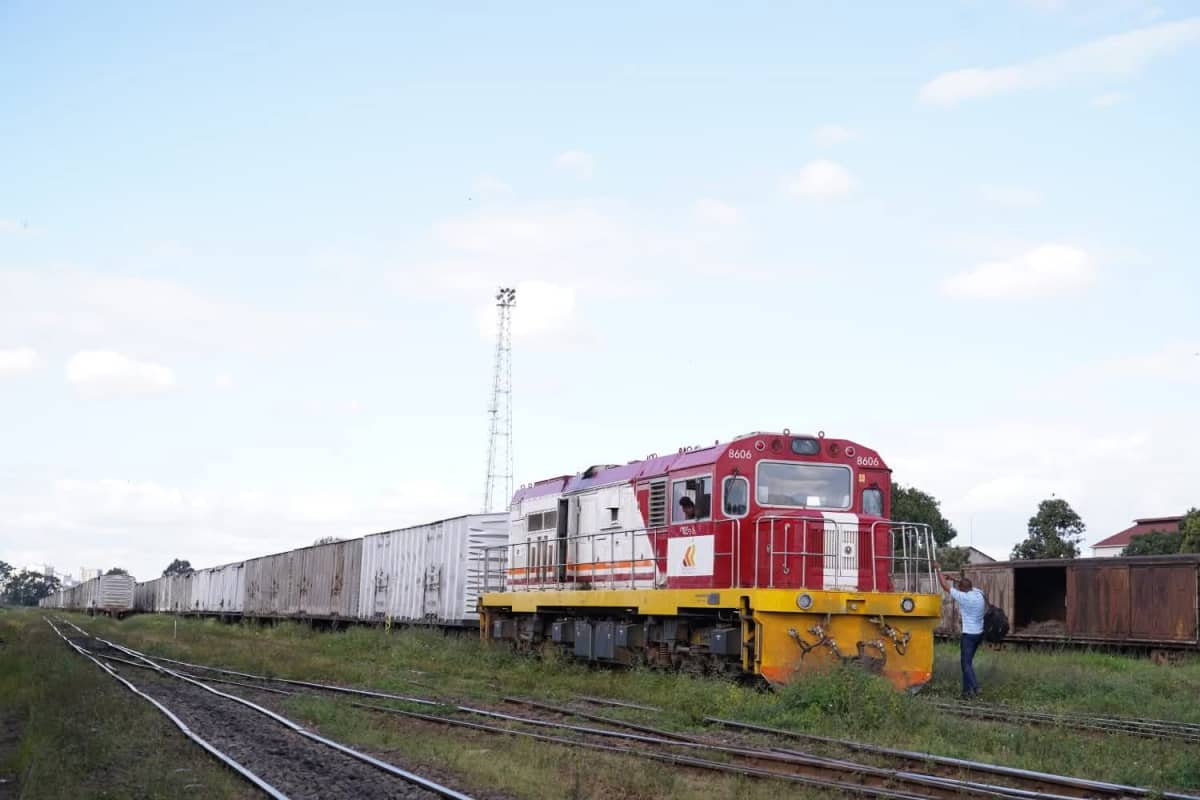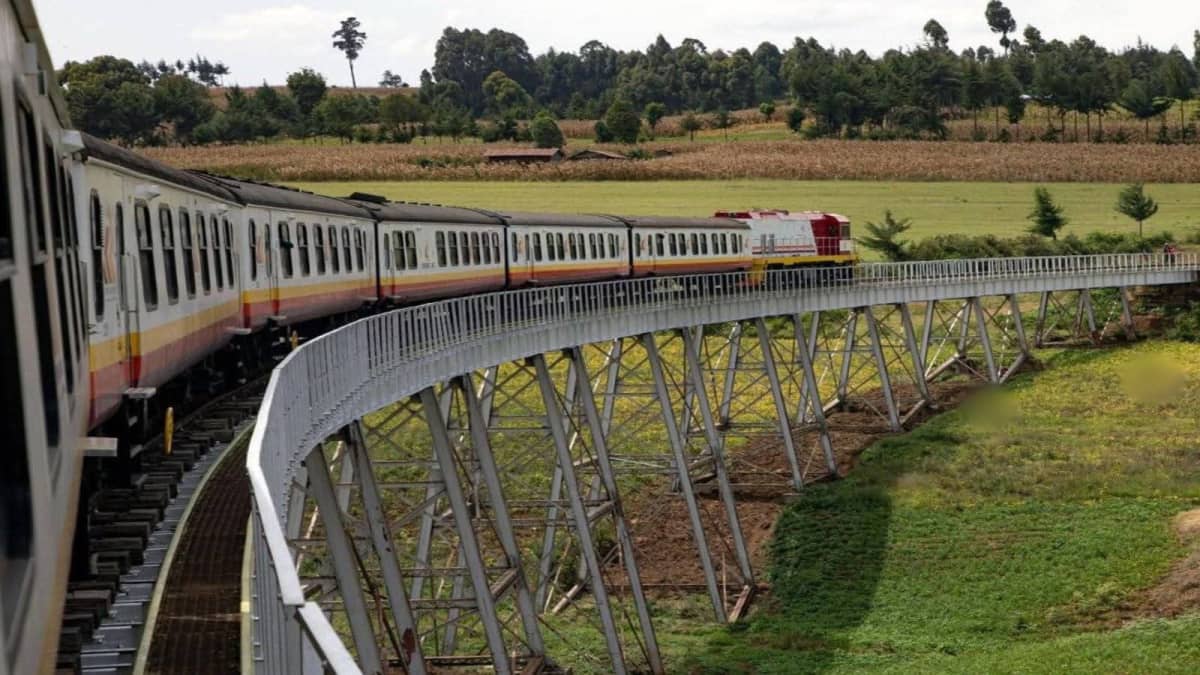
Passengers travelling between Nairobi and Nyahururu will now pay as little as Ksh600 in economy class following the revival of the long-defunct Gilgil–Ol Kalou–Nyahururu railway line under the newly introduced Hustler Express service.
The announcement was made by the Kenya Railways Corporation (KRC) on Monday, June 1, ahead of the official launch of the passenger service scheduled for Tuesday, June 2.
Dubbed the Nyahururu Safari Train, the service marks the return of passenger rail transport on the Nairobi–Gilgil–Ol Kalou–Nyahururu corridor after 46 years. The government says the move is aimed at improving transport links, enhancing trade, and stimulating economic activity in towns along the route.
"After 46 years, the iconic Thomson's Falls Rail is back on track, reconnecting Nairobi, Gilgil, Ol Kalou and Nyahururu through the scenic Nyahururu Safari Train," Kenya Railways said.
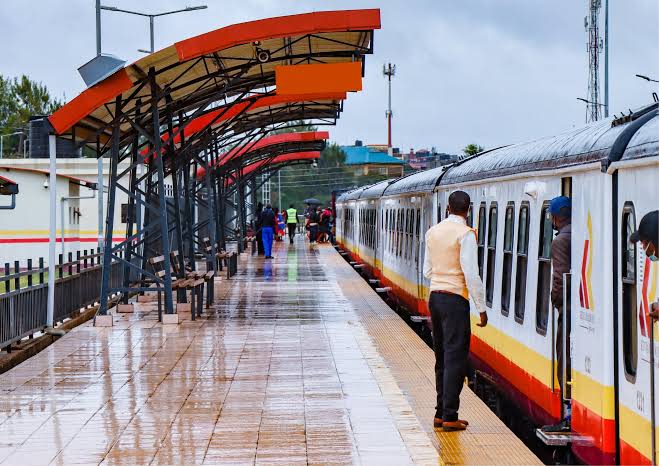
The corporation described the train as a blend of affordability, comfort and tourism, encouraging travellers to experience some of Kenya's most scenic landscapes by rail.
"Experience a journey through the heart of Kenya aboard a safe, comfortable and affordable rail service that blends history, adventure and convenience. Rediscover the charm of rail travel and explore the beauty of the Aberdare region like never before," it added.
Under the newly released fare structure, passengers travelling the entire Nairobi–Nyahururu route will pay Ksh600 in economy class and Ksh1,300 in first class.
For those travelling shorter distances, Kenya Railways has also introduced segmented fares. A trip from Nairobi to Gilgil will cost Ksh450 in economy class, while passengers heading to Ol Kalou from Nairobi will pay Ksh550.
The fare schedule further shows that travellers moving between Gilgil and Ol Kalou will pay Ksh100 in economy class and Ksh200 in first class. Those travelling from Gilgil to Nyahururu will be charged Ksh150 in economy and Ksh350 in first class, while the Ol Kalou–Nyahururu segment will cost Ksh50 in economy and Ksh150 in first class.
Tickets will be available at Nairobi Central Station as well as through official Kenya Railways booking platforms.
According to the corporation, the train will operate twice a week from Nairobi, departing every Tuesday and Friday at 10:00am. The service is expected to arrive in Nyahururu at 5:50pm after making stops in Gilgil and Ol Kalou.
Return journeys from Nyahururu to Nairobi will be available on Wednesdays and Sundays.
Beyond passenger transport, the revived railway line will also support cargo operations, with Kenya Railways confirming that freight services have already resumed on the corridor for the first time in nearly five decades.
In a separate statement issued on Monday, June 1, the corporation revealed that the first cargo consignment had successfully been transported along the route. The shipment consisted of government-subsidised fertiliser destined for farmers in Nyandarua County and surrounding regions.
"Kenya Railways transported 396 tonnes of Government-subsidized fertilizer from Athi River Railway Station to the National Cereals and Produce Board (NCPB) depots in Ol Kalou and Nyahururu, marking the revival of freight services on the Gilgil-Nyahururu branch line after 46 years," the statement read.
The cargo movement was undertaken using 11 Metre Gauge Railway (MGR) wagons and is being viewed as a significant milestone in restoring the branch line's role in transporting goods across the Central Rift region.
The first shipment of subsidised fertiliser was delivered on Sunday, May 31, signalling the start of what the government says will be expanded freight operations along the route in the coming months.
The Gilgil–Nyahururu railway line fell into disuse in the late 1970s and early 1980s following the collapse of the East African Railways Corporation (EARC), which disrupted railway operations and coordination across the region.
With both passenger and freight services now back in operation, Kenya Railways says the restored line is expected to improve the movement of people and goods, lower transport costs and support tourism growth, particularly around the Thomson Falls area and the wider Aberdare region.
The revival also forms part of broader efforts to reconnect communities and unlock economic opportunities along the Central Rift transport corridor.