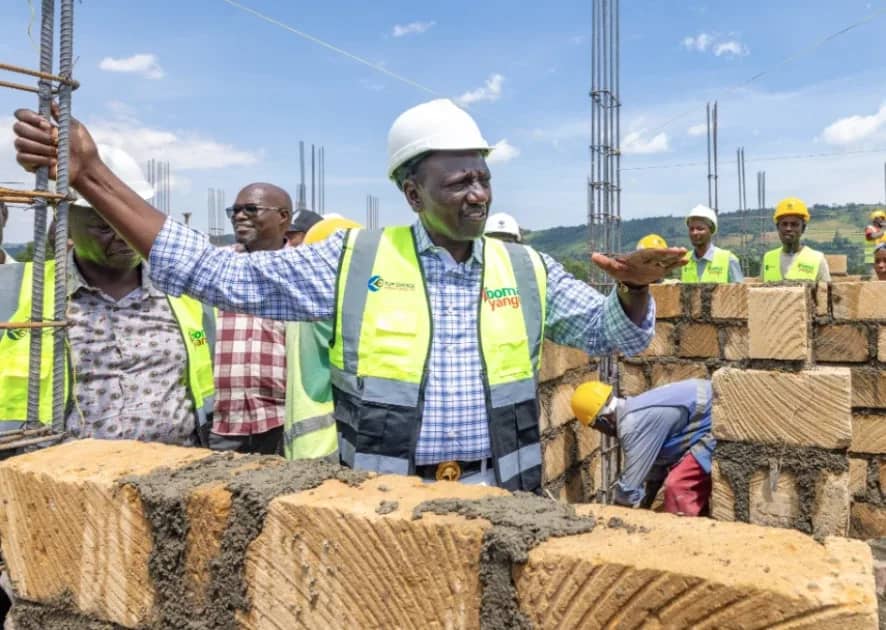
The Court of Appeal has upheld the constitutionality of the Affordable Housing Act, dismissing 42 cases challenging the legislation that introduced the Affordable Housing Levy.
The ruling clears the way for the government to continue implementing the housing programme established under the Act.
President William Ruto signed the Affordable Housing Act into law on March 19, 2024, at State House in Nairobi, paving the way for the levy to take effect.
The law requires both employers and employees to contribute 1.5 per cent of an employee’s gross salary to the Affordable Housing Programme, one of the flagship initiatives under Ruto’s housing agenda.

The Court of Appeal ruling came shortly after the same court dismissed an appeal by Senator Okiya Omtatah challenging the construction of affordable housing units on county and ministry land.
The court ruled that adequate public participation had been conducted before the government proceeded with the housing projects.
In October 2024, the High Court had similarly upheld the Affordable Housing Act, 2024, finding that the legislation was properly enacted and complied with the Constitution.
A three-judge bench comprising Justices Olga Sewe, John Chigiti and Josephine Mong’are found that sufficient public participation had taken place and that due process had been followed in establishing the Affordable Housing Fund.
The decision followed six petitions filed at the High Court challenging the legality of the Affordable Housing Levy and the creation of the housing fund.
The legal battle subsequently moved to the Court of Appeal after Katiba Institute filed an appeal contesting the constitutionality of the Affordable Housing Act, 2024.
The latest decision now affirms the legislation after the appellate court considered the various challenges mounted against the Act.
Despite the legal victory, the government continues to face a funding gap in its Affordable Housing Programme, with collections from the mandatory 1.5 per cent levy falling below the amount required to achieve its annual target of constructing 200,000 housing units.
Housing Principal Secretary Charles Hinga said earlier this month that the levy generates approximately Ksh6 billion each month.
However, Hinga noted that the collections are insufficient to finance the programme on their own.
He said the government was exploring long-term financing arrangements with international development partners, including the World Bank, to address the funding shortfall and support the continued implementation of the housing programme.
