
The Directorate of Criminal Investigations (DCI) has intensified efforts to target the wealth accumulated by drug traffickers as the government escalates its crackdown on narcotics.
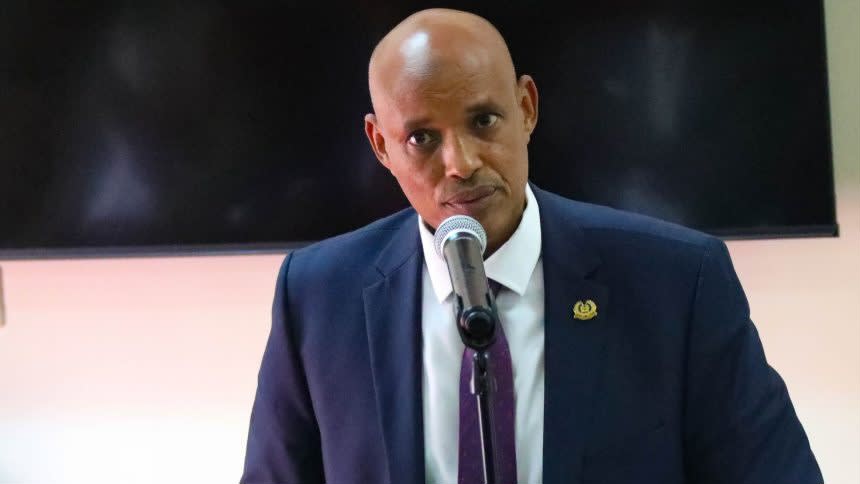
Speaking during a media briefing on Monday, November 9, DCI Director Mohamed Amin revealed that detectives were shifting their focus towards dismantling the financial networks sustaining the illegal drug trade.
Working alongside the Asset Recovery Agency, the DCI's National Anti-Narcotics Investigations Bureau (NANIB) is tracking assets believed to be linked to drug trafficking, including cash, motor vehicles, residential properties, land and businesses.
“We are equally pursuing the financial networks behind the drug trade. Working with the Asset Recovery Agency and other relevant institutions, NANIB is strengthening asset-centred investigations to identify and trace proceeds of crime, including cash, vehicles, houses, land and businesses,” Amin stated.
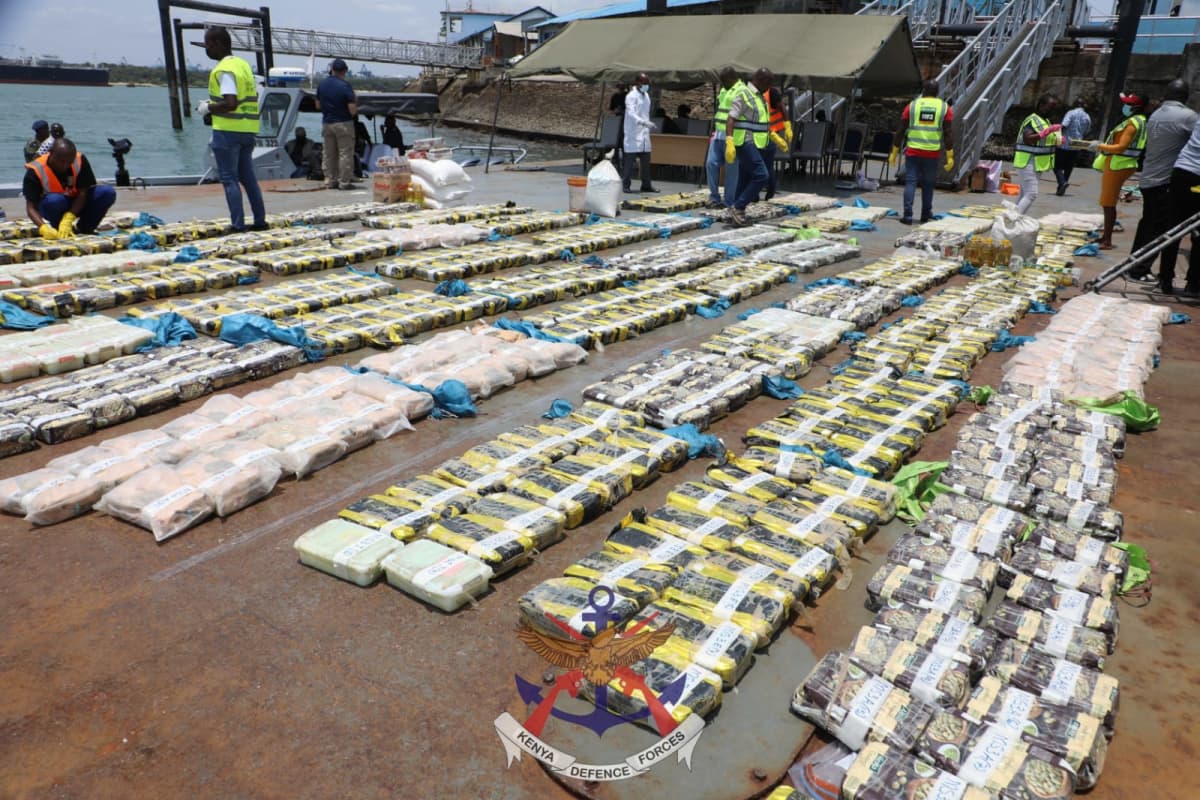
The investigations come amid revelations that narcotics seized in two recent major operations had an estimated combined street value of Ksh11.8 billion.
Beyond the high-profile seizures, NANIB recovered drugs worth Ksh779,658,200 between January and October 2026, leading to the arrest of 1,631 suspects during the same period.
In one of the latest operations, detectives arrested a suspected drug baron in Shirazi village, Kwale County, on November 7, following intelligence gathered through ground-level sources and cooperation between Kenyan and Tanzanian authorities.
Subsequent leads directed the investigators to Ganja la Simba village in Kinondo, where a search uncovered 454 kilogrammes of suspected methamphetamine valued at approximately Ksh3.6 billion.
The DCI's intelligence-led operations come as Kenya faces growing concerns over methamphetamine trafficking, with international drug cartels increasingly turning the country from a transit route into a potential centre for synthetic drug production and consumption.
To strengthen the crackdown, Amin pointed to additional personnel and infrastructure being deployed to support anti-narcotics investigations.
He confirmed that 208 officers recruited into NANIB in April 2026, the establishment of 40 additional stations and the training of 314 officers in specialised anti-narcotics investigations would bolster the government's efforts.
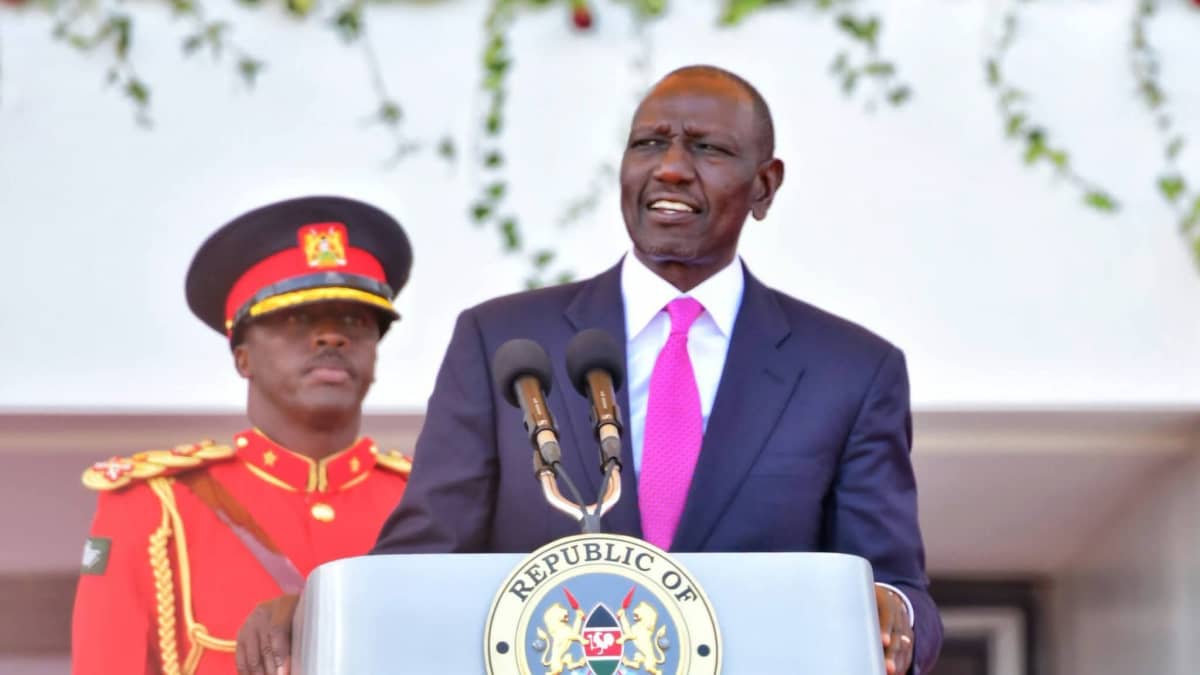
Meanwhile, President William Ruto declared alcohol and drug abuse a national emergency during his 2026 New Year Address, disclosing that more than 4.7 million Kenyans were struggling with substance dependency.
As part of the response, the Head of State announced plans to expand the DCI Anti-Narcotics Unit by increasing its workforce from 200 to 700 officers and equipping the team with modern surveillance and forensic technology.
Ruto further directed authorities to pursue the seizure of assets belonging to suspected drug cartels, proposed the establishment of specialised courts to handle narcotics-related cases and warned government officials against collaborating with traffickers.
He also called for stronger cooperation among security and investigative agencies to dismantle drug trafficking networks operating within the country.