
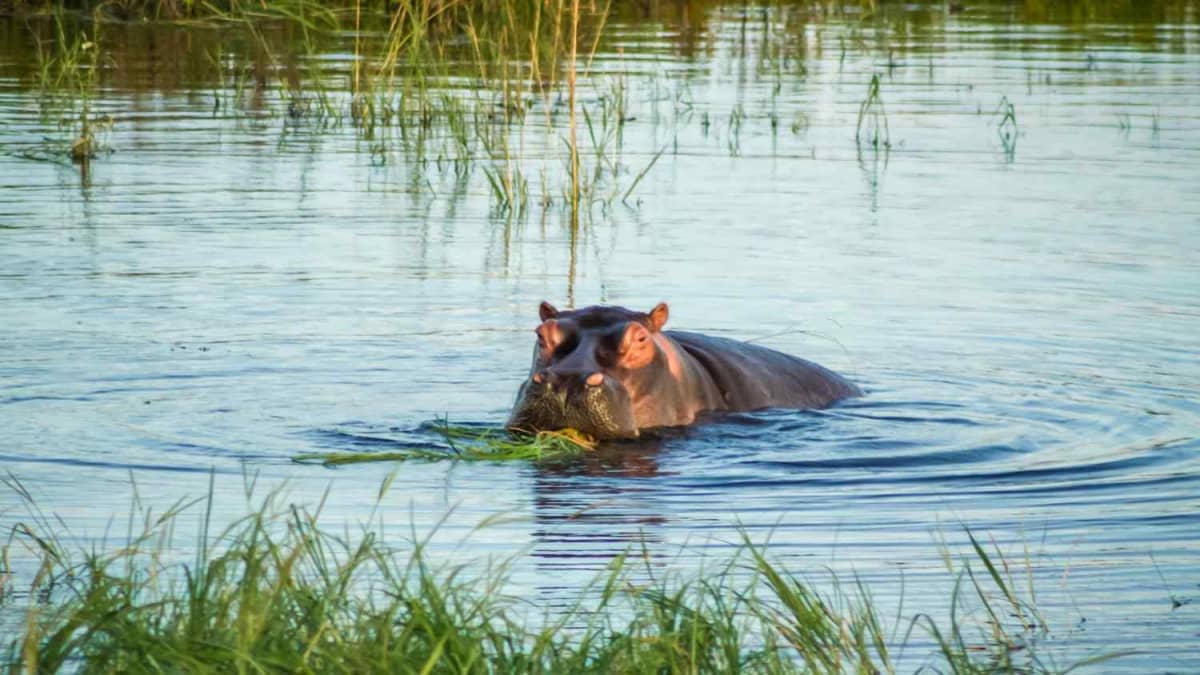
The Kenya Wildlife Service (KWS) is facing pressure to investigate the deaths of more than six hippos in Lake Naivasha within the past two weeks.
Residents and beach operators have called for urgent investigations into the unexplained deaths, which have left several animal carcasses floating in the lake, raising concerns among communities living and working along its shores.
They warned that the decomposing hippos could pose health and safety risks to fishermen, tourists and other wildlife that rely on the lake. The deaths have also sparked fears of potential losses for businesses that depend on tourism activities.
“The carcasses are a tourist attraction on our beach. They bring us a lot of trouble because a lot of tourists come to Kenya and pay a lot of money to come and see the hippos, which we don't have anywhere else,” stated one resident.
Poisoning has emerged as a possible explanation, with residents questioning how the animals died after observing that some of the carcasses had no visible physical injuries.
Members of the Kamere Beach Management Unit said the absence of wounds had heightened suspicions that toxic substances could have been involved.
However, the exact circumstances surrounding the deaths remain unknown, prompting residents to demand proper examinations and laboratory tests to establish the cause.
The incident has also drawn attention to the commercial activities taking place around Lake Naivasha, which is surrounded by extensive flower farms and horticultural enterprises supplying both local and international markets.
The farms produce a range of agricultural products, including roses, vegetables, fruits and herbs. Some of the businesses rely on irrigation systems that draw water directly from the lake and nearby boreholes.
Beyond horticulture, the wider Lake Naivasha basin supports dairy farms, livestock ranches and large-scale crop production, with farmers cultivating maize, wheat, barley and sorghum.
The hippo deaths come months after a separate wildlife mortality incident in the Amboseli-Kimana ecosystem, where 16 elephants, mainly adult females and calves, died before the toll increased to 18 in August.
Preliminary investigations conducted by the University of Nairobi (UoN) and KWS indicated possible cyanide poisoning as the cause of the elephant deaths.
Investigators also examined tomatoes recovered from the animals' carcasses, arrested four suspects and seized containers of toxic chemicals without labels in Tokondu Kima as part of the probe.
Despite growing concerns over the Lake Naivasha incident, KWS had not issued an official statement explaining the hippo deaths or outlining the investigations being undertaken.