
The Ministry of Transport is considering introducing technology that would enable motorists to convert their petrol and diesel-powered vehicles into electric cars without purchasing new vehicles.
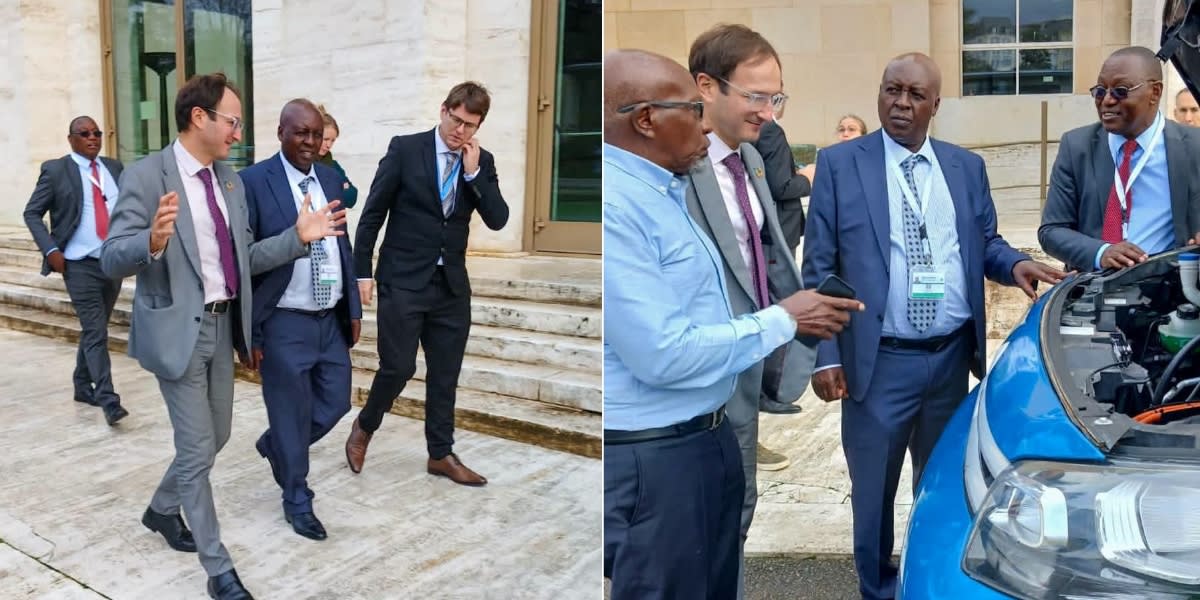
The proposal emerged following a meeting between Transport Principal Secretary Joseph Mbugua and Emmanuel Flahaut, the President of Euro Retrofits Mobility, who discussed the possibility of introducing the technology in Kenya.
During the meeting held on Wednesday, November 18, Flahaut demonstrated how electric vehicle retrofitting works and explained how the technology could help motorists transition to electric mobility while retaining their existing vehicles.
The conversion process involves removing a vehicle's conventional petrol or diesel engine and replacing it with an electric motor and battery system, allowing it to operate entirely on electricity.
The technology could offer motorists a cheaper alternative to purchasing brand-new electric vehicles, which often cost millions of shillings, by allowing them to upgrade the vehicles they already own.
Flahaut informed the ministry that the technology is compatible with various categories of vehicles, including motorcycles, private cars, buses, delivery vans, trucks and other commercial vehicles.
He also revealed that the conversion process could take anywhere between one day and three weeks, depending on the vehicle's specifications and the complexity of the work involved.
The ministry observed that adopting the technology could enable Kenyan motorists to extend the lifespan of their existing vehicles while significantly reducing their expenditure on petrol and diesel.
According to Mbugua, the initiative could also contribute to reducing air pollution, particularly in urban centres where large numbers of fuel-powered vehicles release exhaust emissions daily.
The discussions come amid growing government efforts to accelerate the adoption of electric vehicles and reduce the country's reliance on petrol and diesel-powered transport.
In February 2026, the government unveiled the National Electric Mobility Policy, which seeks to promote electric vehicle adoption, encourage local assembly and attract investment in charging infrastructure.
The policy followed a significant increase in electric vehicle registrations, with the Ministry of Transport reporting that Kenya had recorded 39,324 electric vehicles by 2025, up from just 1,378 in 2022.
The number had surpassed 50,000 by June 2026, with electric motorcycles accounting for the largest proportion as more boda boda operators considered switching from petrol-powered motorcycles.
Additionally, the government is pursuing measures to expand access to charging infrastructure across the country.
Under the electric mobility policy, newly constructed commercial buildings are required to dedicate at least five per cent of their parking spaces to electric vehicle charging facilities.