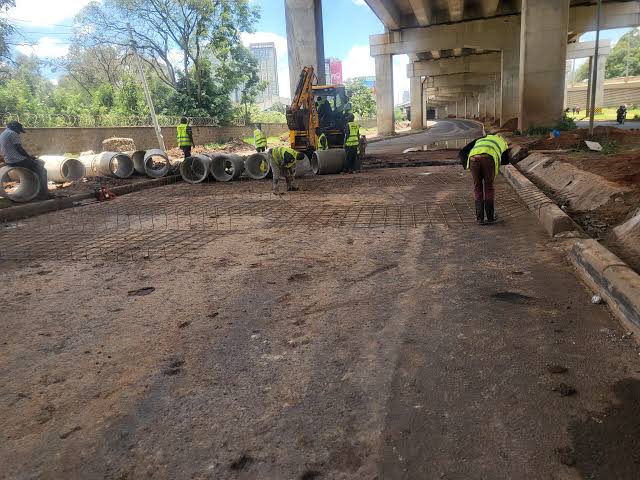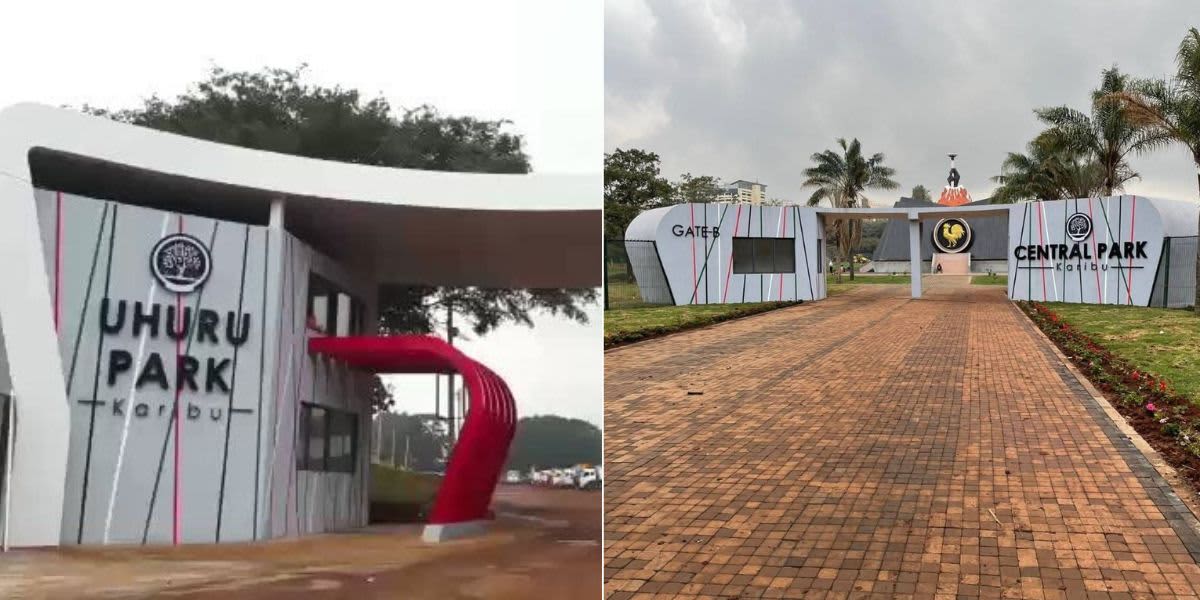
The Green Belt Movement (GBM) has sounded the alarm over reports that sections of Nairobi's iconic Uhuru Park and Central Park could be acquired to pave the way for the expansion of Uhuru Highway, sparking fresh concerns over the future of the capital's shrinking green spaces.
In a statement issued on Tuesday, June 2, the environmental lobby group claimed it had received information suggesting that parts of the two public parks may be earmarked for the road project.
The organisation further alleged that survey beacons had already been placed within sections of the parks, raising fears that preliminary activities linked to the project could already be underway.
If confirmed, the move would mark one of the most significant changes to Nairobi's public recreational spaces in recent years and could trigger a fresh battle over the protection of public land in the city centre.
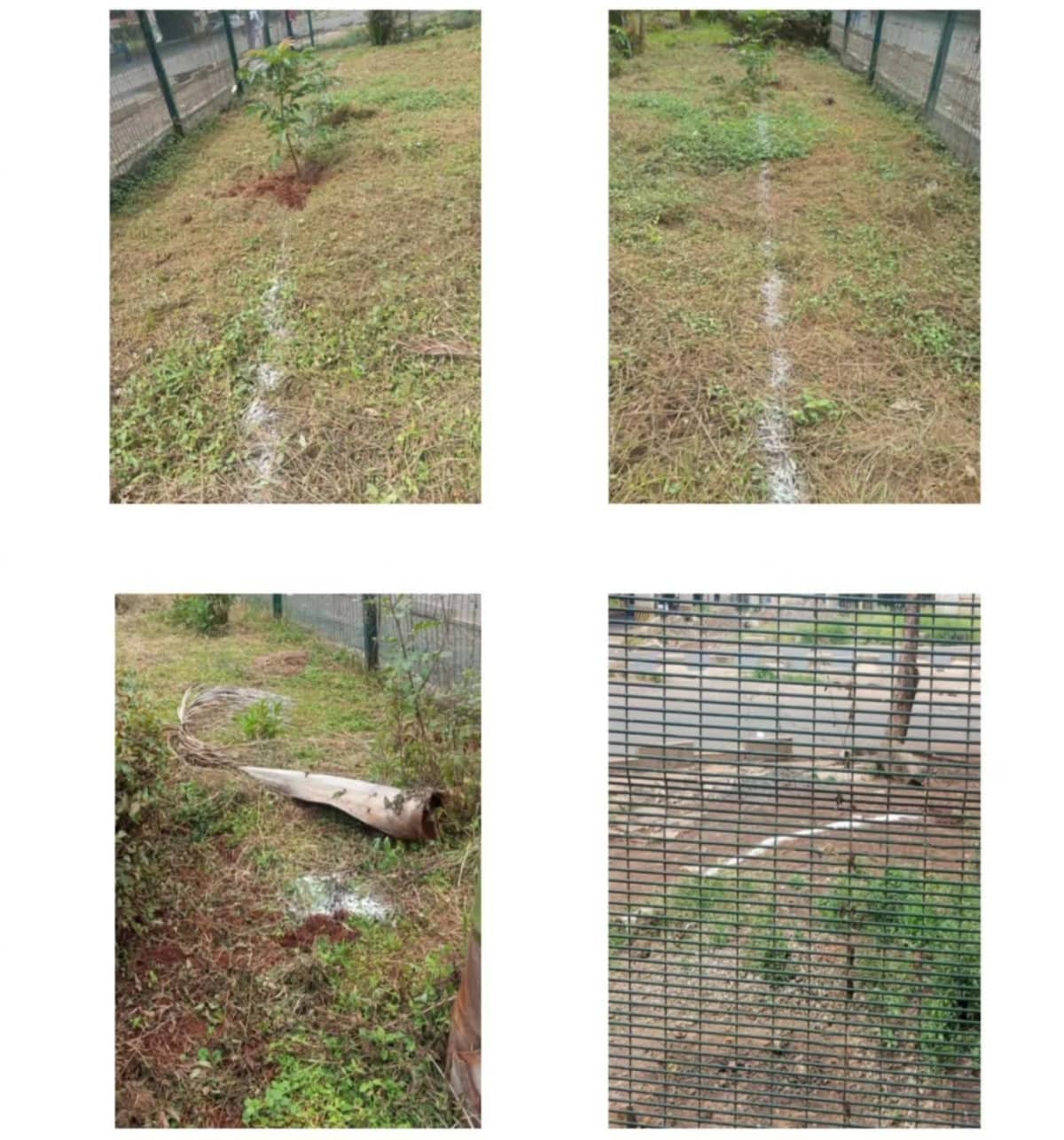
"These reports come at a time when public green spaces in Kenya continue to face increasing pressure from infrastructure development, commercial interests and changing land use," GBM stated.
According to the movement, the loss of urban green spaces would not only threaten biodiversity and climate resilience but could also undermine Kenyans' constitutional right to a clean and healthy environment.
The organisation reminded government agencies that both Uhuru Park and Central Park are protected public land under the Constitution and cannot be altered without following a lengthy legal process that includes public participation, environmental assessments and approvals from multiple state agencies.
As questions mount over the reported plans, the Green Belt Movement has challenged the Kenya National Highways Authority (KeNHA), Nairobi County Government, the National Land Commission (NLC) and the National Environment Management Authority (NEMA) to publicly disclose whether any approvals, consultations or assessments related to the proposed acquisition have been initiated.
GBM specifically asked KeNHA to clarify whether there are plans to acquire, excise or utilise any portion of the two parks for the expansion of Uhuru Highway and, if so, how much land would be affected.
The group also wants the authority to reveal the legal basis for the acquisition and make public any environmental, social or feasibility studies conducted in relation to the project.
At the same time, Nairobi County has been asked to disclose whether public participation exercises have been conducted and whether the County Assembly has considered or approved any proposal affecting the status or size of the parks.
The National Land Commission and NEMA have also been called upon to clarify whether they have received any requests, approvals or environmental impact assessment applications linked to the alleged project.
GBM argued that any decision affecting public land must be undertaken transparently and with meaningful public involvement.
"The Constitution of Kenya is unequivocal that public participation is not optional," the movement stated, adding that citizens have a right to be informed and consulted before decisions of such significance are made.
The environmental lobby further linked the matter to Nairobi's long-running struggle to preserve public spaces, noting that Uhuru Park remains a symbol of environmental justice and democratic participation due to the efforts of Nobel laureate Professor Wangari Maathai and other activists who fought to protect it from development.
The movement also raised concerns over continued restrictions on public access to Central Park despite court orders directing that the facility be reopened.
GBM warned that Kenya cannot afford to lose more public parks at a time when cities across the world are investing in expanding urban green spaces to combat climate change and improve public health.
The organisation vowed to closely monitor developments and pursue legal, advocacy and civic action if necessary, while urging Kenyans and civil society groups to remain vigilant.
The allegations come as pressure continues to mount on government agencies to clarify whether plans exist to alter the boundaries of two of Nairobi's most recognisable public parks, a move likely to ignite public debate if formally confirmed.
The announcement also comes as KeNHA moves forward with plans to expand Uhuru Highway, a key transport corridor that has struggled to accommodate Nairobi's growing traffic volumes, particularly during rush hour periods.