

More than 30,000 jobs and Ksh8.46 billion in annual wages could be lost if Parliament passes proposed amendments to Kenya's alcohol laws, with hospitality, aviation, labour and student groups warning that the changes could force thousands of businesses to shut down.
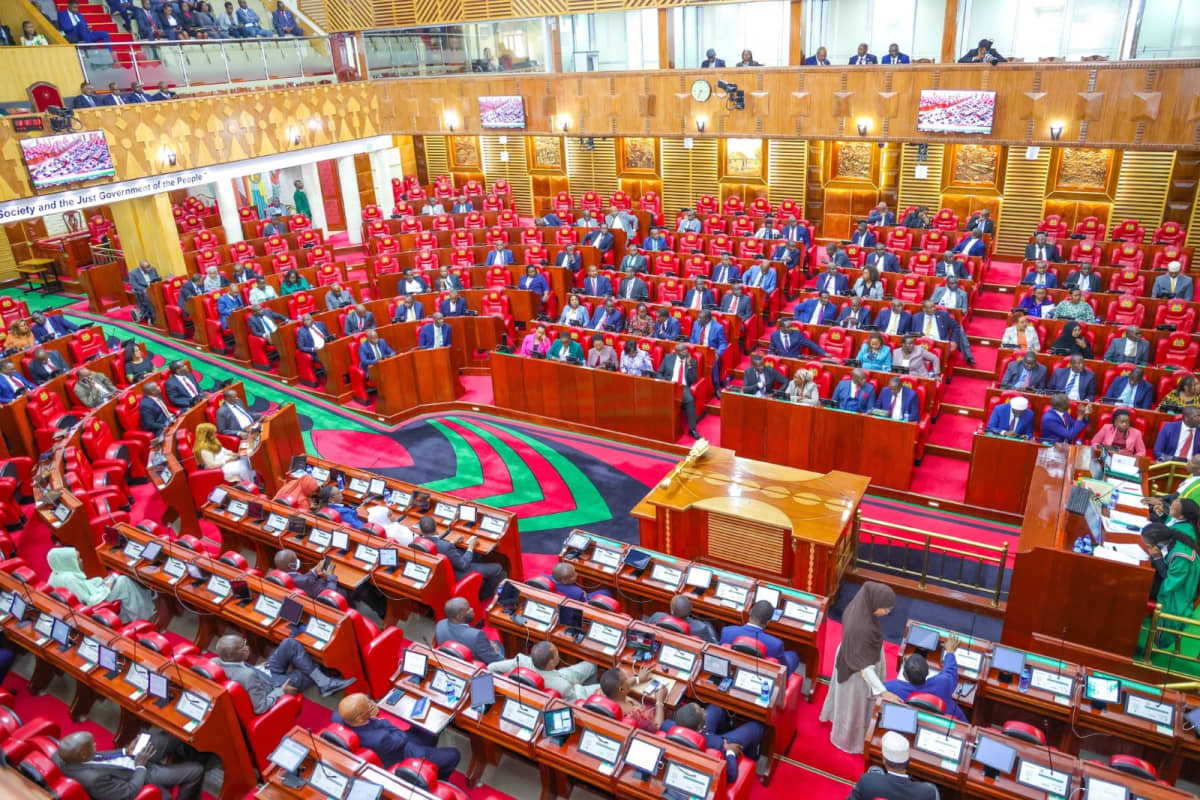
In memoranda submitted to the National Assembly, the stakeholders have raised concerns over the proposed Alcoholic Drinks and Drugs Control Laws (Amendment) Bill, 2026, arguing that some of its provisions could hurt legitimate businesses, restrict employment opportunities for young people and fuel the growth of illicit alcohol markets.
The groups, which include representatives of pubs, restaurants, hotels, airlines, consumers and student associations from six universities, maintain that they support efforts to protect minors and reduce alcohol-related harm.
However, they argue that the proposed restrictions are disproportionate and could impose high economic costs without adequately addressing the underlying problem of illicit alcohol.

The Pubs, Entertainment and Restaurants Association of Kenya (PERAK) estimates that 5,643 licensed outlets could close, putting 28,213 jobs at risk and wiping out about Ksh8.46 billion in annual wages.
It warned that the consequences would extend beyond businesses, affecting suppliers, security companies, transport operators, musicians and DJs who depend on the hospitality and entertainment industry.
Among the most contentious proposals is raising the legal drinking age from 18 to 21, a restriction that would also prevent people below 21 from working in licensed alcohol establishments or entering the premises, even when accompanied by an adult.
The Bill further proposes banning alcohol sales in restaurants, supermarkets and universities, prohibiting online sales and home deliveries, and restricting alcohol transportation to between 6 am and 6 pm.
It also seeks to prohibit drinking in public places, including restaurants and aeroplanes, with offenders facing penalties of up to Ksh10 million or five years in prison.
A proposed Ksh2-per-litre levy on manufactured and imported alcoholic drinks is another measure that has attracted scrutiny.
Youth Employment, Aviation Sector Concerns
The Kenya Hotels and Allied Workers Union (KHAWU) argues that raising the age threshold would disproportionately affect young employees entering the hospitality industry.
In its memorandum signed by General Secretary Sava Wycliffe Mundu, the union maintained that employment should not be tied to the legal drinking age. "Employment and alcohol consumption are distinct activities and should not be subjected to the same restrictions," the union stated.
Student leaders from Jomo Kenyatta University of Agriculture and Technology (JKUAT), Maseno, Mount Kenya, Chuka, Tharaka and the Catholic University of Eastern Africa (CUEA) also warned that the proposed changes could undermine hospitality training programmes.
They argue that students could lose access to internships, industrial attachments and part-time employment opportunities that provide practical experience.
The Kenya Association of Air Operators (KAAO), which represents more than 90 per cent of Kenya's registered air operators, has also raised concerns about the proposed restrictions.
It warns that prohibiting alcohol consumption in public transport could effectively end regulated in-flight services while affecting airport restaurants, lounges and duty-free outlets. The proposed 6 am-to-6 pm transportation window could also disrupt air cargo operations, which frequently operate outside conventional working hours.
Industry Questions Fight Against Illicit Alcohol
The Africa Consumer Advocacy Foundation (ACAF) has cautioned that restricting legitimate alcohol businesses could inadvertently strengthen illicit producers. Citing figures presented to Parliament by the Anti-Counterfeit Authority, the organisation noted that illicit alcohol accounted for approximately 60 per cent of the market volume in 2022.
"Consumer protection cannot be achieved by restricting access to lawful, regulated products while the unregulated market flourishes," ACAF Executive Director Anselm Maina Njoroge stated.
The stakeholders are calling for a comprehensive Regulatory Impact Assessment examining the Bill's implications for employment, business closures, tourism, government revenue and illicit trade.
They have proposed retaining the legal drinking and employment age at 18, introducing stricter age verification, allowing regulated online sales and removing the proposed transportation time restrictions.
They also want licensed restaurants, hotels and airport establishments exempted from the public drinking ban, alongside an extended transition period for affected businesses.
The groups further oppose transferring liquor licensing powers from county governments to a proposed national committee, arguing that the change raises questions about devolution and the constitutional role of counties.
Student associations made a direct appeal to lawmakers, arguing that young people should be involved in decisions affecting their opportunities. "Young adults should not merely be viewed as subjects of regulation," they wrote.
The proposed bill under National Assembly Bill No. 63 of 2026 was read for the first time on November 5, 2026, and is currently before the Departmental Committee on Administration and Internal Security.