
The Alcoholic Beverages Association of Kenya (ABAK) has urged Parliament to withdraw the proposed Alcoholic Drinks and Drugs Control Laws (Amendment) Bill, 2026, warning that its provisions could increase business costs, threaten thousands of jobs and affect consumers.
In a statement issued on Friday, November 6, ABAK argued that the proposed legislation could undermine legitimate alcohol businesses while creating opportunities for illicit alcohol traders to expand their operations.
The Bill, which was introduced in the National Assembly for First Reading on Thursday, November 5, proposes raising the minimum legal drinking age from 18 to 21 years.
It also introduces a Ksh2-per-litre levy on legitimate alcohol manufacturers, alongside additional licensing and product registration requirements.
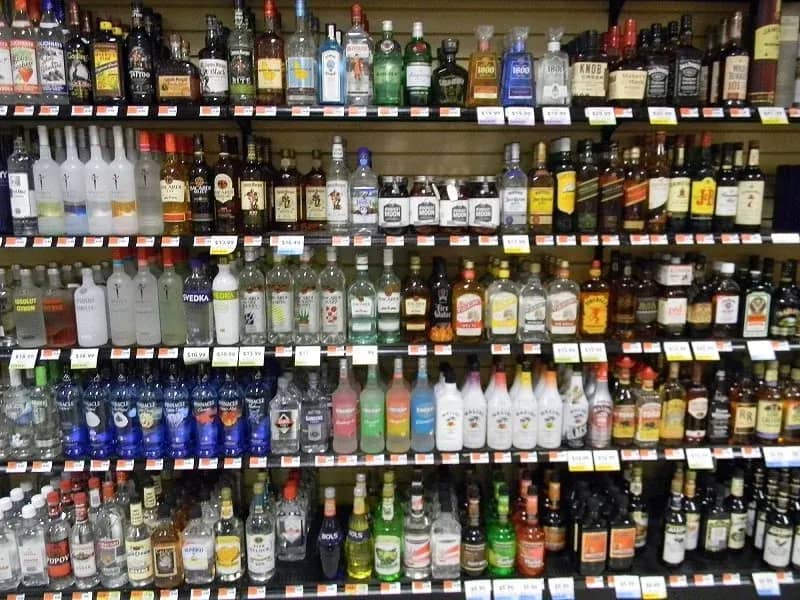
The proposed changes could affect alcohol manufacturers, supermarkets, restaurants, distributors and consumers, particularly if businesses pass increased operating costs on to customers.
ABAK Chair Kui Kinyanjui warned that the proposed regulations could weaken legitimate businesses at a time when the industry was already facing competition from illicit alcohol providers.
“Coming at a time when our industry is under significant pressure from illicit alcohol providers, this Bill risks weakening legitimate businesses while creating more room for illicit alcohol to flourish. This will affect thousands of jobs, affect planned investments, reduce government revenue and ultimately expose consumers to greater harm,” she said.
According to preliminary industry modelling cited by ABAK, increasing the minimum drinking age could put approximately Ksh3.3 billion in annual retail and hospitality revenues at risk.
The association also estimates that the proposed change could affect Ksh1.8 billion in government tax revenue, 8,960 jobs and 1,792 licensed outlets.
ABAK further claims that approximately three million Kenyans aged between 18 and 21 would be affected by the proposed age restriction.
The association argues that limiting access to regulated alcohol products among this age group could push some consumers towards informal and unregulated markets.
The proposed Ksh2-per-litre levy is another major concern for manufacturers, who estimate that it could impose an additional annual financial burden of Ksh1.3 billion on the legitimate alcohol industry.
Although the levy would initially be imposed on manufacturers, its potential impact on retail prices remains a concern, particularly if businesses transfer some of the additional costs to consumers.
The Bill also proposes restrictions on alcohol sales in supermarkets, restaurants and online platforms, potentially affecting businesses that rely on alcohol sales as part of their operations.
Additionally, it seeks to limit alcohol transportation to between 6am and 6pm, a move ABAK says could disrupt distribution schedules, increase logistics expenses and affect businesses operating beyond regular working hours.
The association also questioned proposals for additional national licensing, product registration and advertising approval structures, arguing that they could duplicate existing regulatory systems.
ABAK Chair Kinyanjui urged Parliament and the government to reconsider the proposals and engage stakeholders before advancing the legislation.
“We strongly urge Parliament not to advance the Bill in its current form. We encourage a transparent consultation process involving county governments, regulators, public-health stakeholders and the entire alcohol value chain. Our shared priority remains to protect consumers, preserve livelihoods and decisively tackle illicit alcohol,” she said.
ABAK cited a 2025 Euromonitor International study which reportedly found that illicit alcohol accounts for approximately 60 per cent of Kenya's total alcohol market by litres of alcohol equivalent, with illicit volumes increasing by 27 per cent since 2022.
The association maintained that effective alcohol regulation should protect consumers while supporting legitimate businesses and government revenue.
The proposed amendments have not yet become law, and the financial projections cited by ABAK remain industry estimates.
