As Kenya's travel and tourism industry evolves beyond traditional flight bookings and holiday packages, a growing number of firms are diversifying into new sectors to remain competitive and create multiple revenue streams.
Among the companies embracing this approach is Greattimes Group, a business associated with travel executive Geoffrey Thuku Kobia, which has expanded its operations beyond conventional travel services into overseas recruitment, tourism, transport and mobility solutions.
The group operates through Greattimes Tours & Travel and Greattimes International Agencies, creating a business model that links international travel, labour migration and ground transportation under one umbrella.
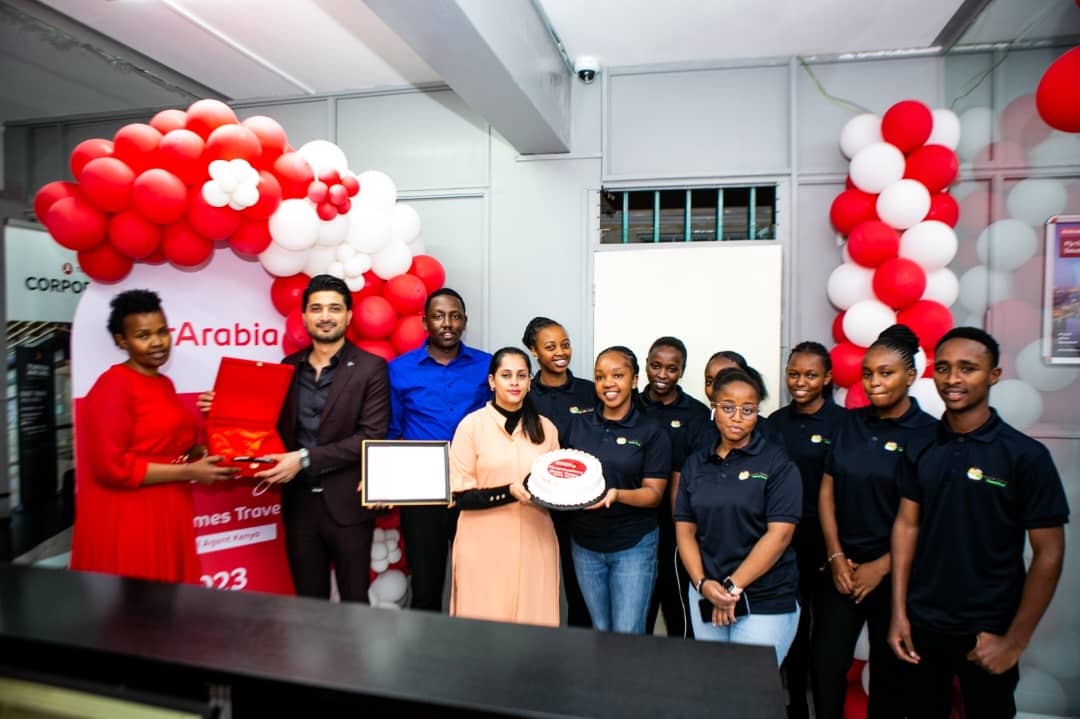
Kobia is a known figure within Kenya's travel industry, having served as an elected director of the Kenya Association of Travel Agents (KATA) between 2023 and 2024. His election to the board of the industry body placed him among travel sector leaders involved in advancing the interests of travel agencies and promoting professionalism within the industry.
His rise within the sector has coincided with a period of significant transformation in Kenya's travel business, as agencies increasingly seek new opportunities beyond airline ticket sales, which have traditionally formed the backbone of their operations.
Unlike many travel firms that rely primarily on commissions from ticketing and holiday bookings, Greattimes has built a diversified operation spanning several interconnected sectors.
At the centre of the business is its travel division, which offers airline ticketing, hotel bookings, visa processing, travel insurance, airport transfers, corporate travel management and tour packages. The company also caters to meetings, incentives, conferences and exhibitions, commonly known as MICE tourism, a segment that has grown steadily as Kenya positions itself as a regional business hub.
One of the group's most notable ventures is its expansion into overseas recruitment through Greattimes International Agencies.
The recruitment sector has experienced rapid growth in recent years as thousands of Kenyans seek employment opportunities abroad, particularly in the Gulf region, Europe and other international labour markets. This demand has created opportunities for agencies capable of facilitating the recruitment process while ensuring compliance with government regulations.
By operating both a recruitment and travel business, the group is able to provide a more integrated service to clients. Workers recruited for jobs abroad often require visa processing, documentation support, flight bookings and airport transfers before deployment. Housing these services within the same corporate structure allows for greater coordination and potentially reduces dependence on third-party providers.
The strategy also reflects broader trends within Kenya's labour migration ecosystem, where agencies are increasingly seeking end-to-end solutions for workers travelling overseas.
Beyond recruitment and travel, the group has also invested in transport and tourism assets.
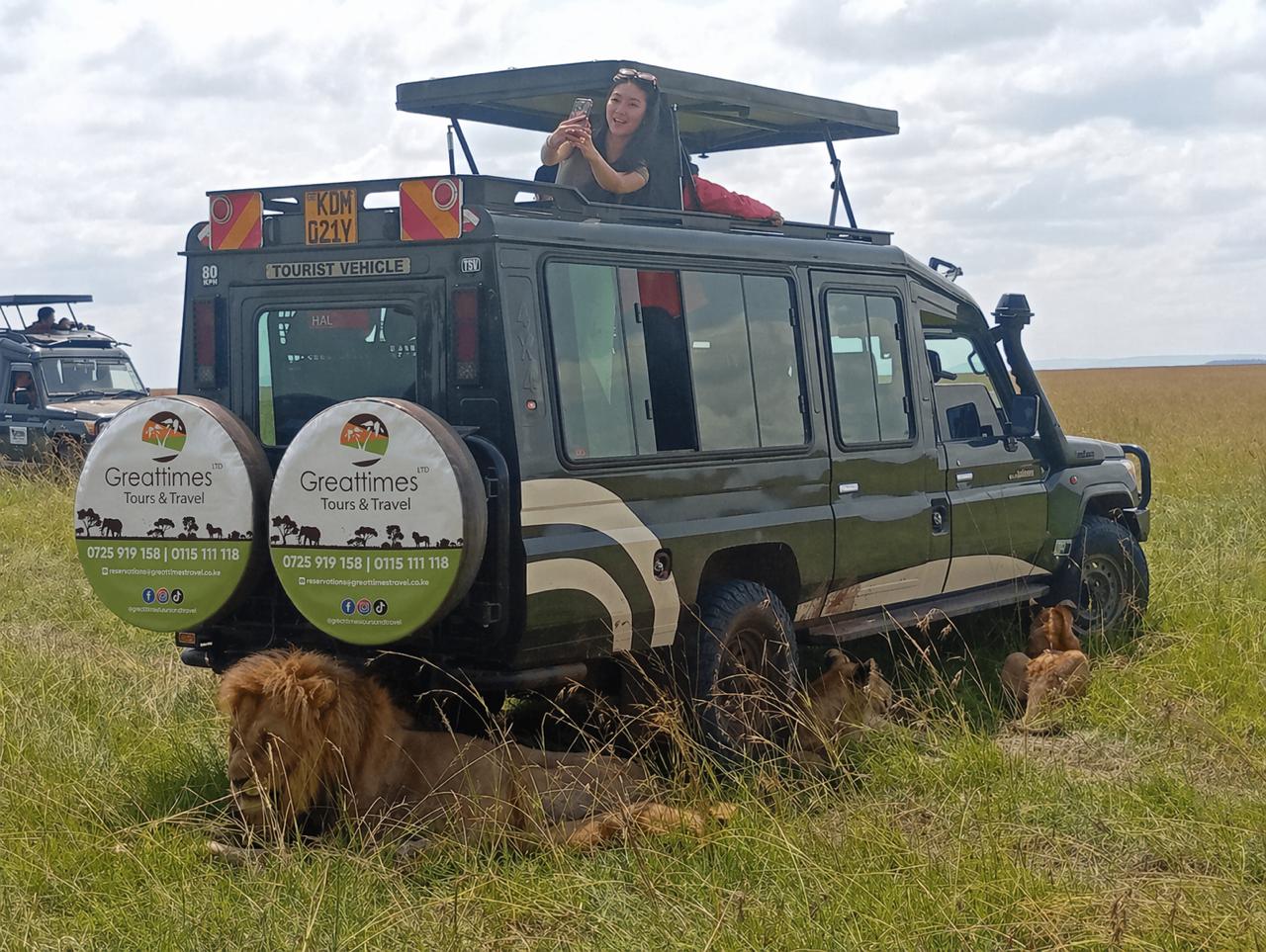
According to company information, Greattimes operates safari vehicles targeting the lucrative tourism market. Owning a fleet of safari vehicles can offer operators greater control over service delivery while reducing the costs associated with leasing vehicles from third-party providers.
Kenya's tourism sector has continued to recover strongly following the disruptions caused by the COVID-19 pandemic, with international arrivals and tourism earnings showing consistent growth. This recovery has renewed investor interest in safari operations and other tourism-related services.
The company's transport interests also extend to corporate mobility solutions, including airport transfers and executive transport services. Such services are particularly attractive to business travellers, conference delegates and corporate clients who require reliable transportation.
Perhaps the most unconventional aspect of the group's diversification strategy is its reported investment in ride-hailing services. By deploying vehicles on digital platforms such as Uber, Bolt, Faras and Little, the company taps into a daily revenue stream separate from the cyclical nature of tourism and corporate travel.
Industry analysts note that businesses with exposure to multiple sectors are often better positioned to weather market fluctuations. Revenue from ride-hailing services can help offset slower periods in tourism, while recruitment and travel operations may continue generating income even when one segment experiences temporary challenges.
The model also reflects a growing shift among Kenyan entrepreneurs who are increasingly building businesses around interconnected ecosystems rather than standalone services.
Rather than viewing travel, transport and recruitment as separate industries, firms are identifying ways to combine them into integrated operations capable of serving customers at multiple stages of their journeys.
For Greattimes, this means participating in several points along the customer value chain—from helping a Kenyan secure employment abroad, to arranging travel logistics, providing airport transfers and offering related support services.
While many of the company's commercial claims remain privately held and cannot be independently verified through public financial disclosures, its expansion strategy highlights how Kenyan travel businesses are adapting to changing market realities.
As competition intensifies and consumer expectations evolve, diversification is becoming less of an option and more of a necessity.
Kobia's journey from travel executive to the leader of a multi-sector enterprise mirrors that transformation. Whether through aviation, recruitment, tourism or transport, the Greattimes model offers a glimpse into the future of Kenya's travel industry—one where companies increasingly seek to control multiple segments of the customer experience rather than relying on a single line of business.