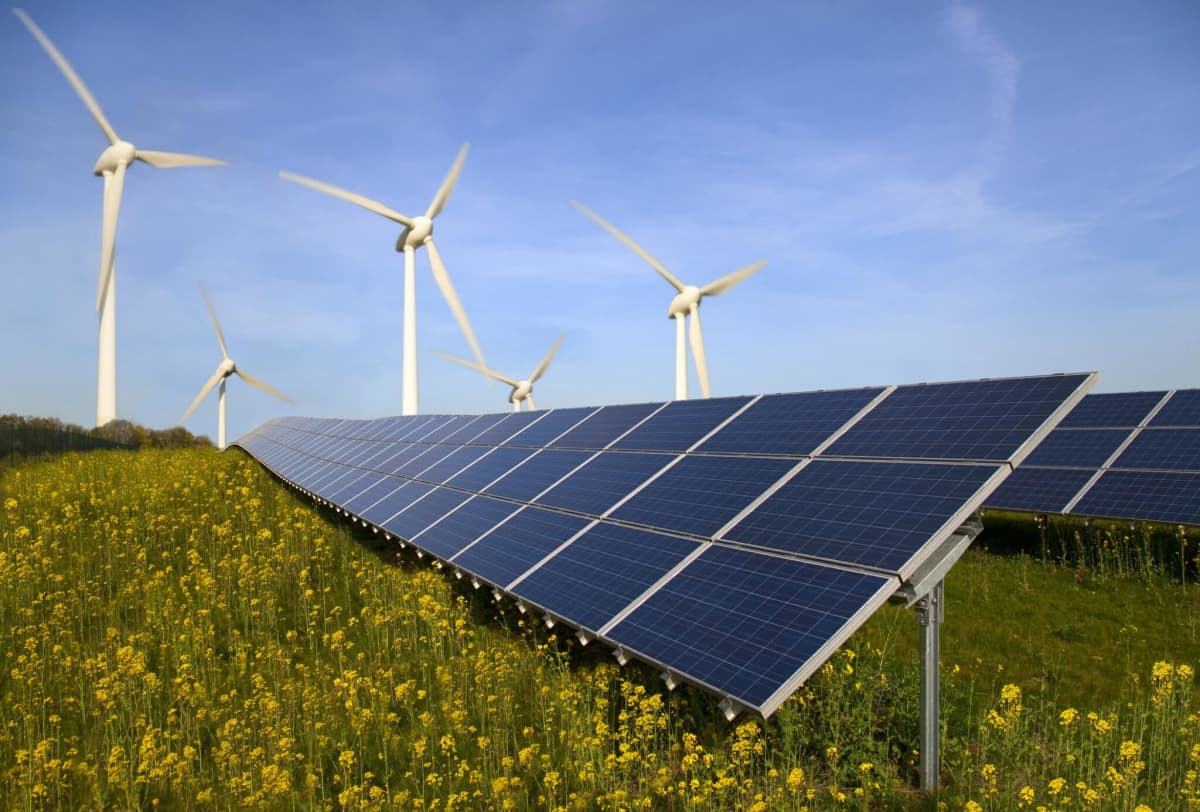
Kenya Power has warned that the rapid growth of wind and solar power in the country’s electricity mix could increase the cost of electricity and expose the national grid to instability unless additional measures are introduced.
The utility said variable renewable energy (VRE) sources, mainly wind and solar, now account for 34 per cent of the energy mix during peak daytime demand of 1,900 megawatts (MW) and 36 per cent when demand falls to about 1,200MW.
According to Kenya Power, the intermittent nature of wind and solar generation creates challenges for the stability and reliability of the national grid because their output can rise or fall suddenly depending on weather conditions.
The utility warned that the fluctuations force it to activate additional generation sources to maintain a stable electricity supply, adding to the cost ultimately borne by consumers.

Kenya Power Managing Director and CEO Dr (Eng.) Joseph Siror argued that the country needs to moderate the rate at which variable renewable energy is added to the grid while increasing more stable sources of electricity.
“Global benchmarks point to a limit of 15% of the grid's total firm capacity limit for VRE. Our current system under the take or pay model of power purchase has led to an increase in VREs to over 20% against a recommended average of 15%," he said.
Siror explained that because wind and solar generation cannot be guaranteed at all times, Kenya Power may have to pay for alternative generators even when renewable plants are producing electricity.
“Given the intermittent nature of wind and solar, we have no option but to dispatch and pay for generators, increasing the overall cost of power," said Siror.
Why this could affect electricity bills
Kenya Power said it currently dispatches additional generation plants when wind and solar output suddenly drops or rises, in order to prevent disruptions to the national grid.
The utility described the situation as a recurring challenge that ultimately increases the cost of electricity paid by final consumers.
It called for the costs associated with integrating variable renewable energy to be considered when new generation capacity is added to the national grid.
Battery storage has been proposed as one way of dealing with fluctuations in renewable power. However, Siror cautioned that batteries would also need sufficient power to charge during periods when wind and solar generation falls.
“For VREs, the recommendation is to have battery storage systems. However, they would still face a challenge in charging the batteries when the wind and solar dip," he warned.
He argued that Kenya should instead place greater emphasis on geothermal and hydropower, which can provide more consistent electricity and help the grid recover when intermittent renewable sources are unavailable.
“The true cost of VREs is its own cost and the additional power that we pay for to stabilise the grid. Therefore, investments in geothermal and hydro offer greater grid stability and ensure the grid can recover and remain productive when intermittent sources are unavailable," added Siror.
Kenya leads East Africa in renewable dependence
According to Kenya Power, Kenya has the highest dependence on variable renewable energy among countries in the region. Within the Eastern Africa Power Pool, the utility put VRE levels at 10.4 per cent in Egypt, 5.3 per cent in Ethiopia, 4 per cent in Uganda and 1.2 per cent in Tanzania, compared to more than 20 per cent of Kenya's firm capacity.
The company said about 80 per cent of Kenya's current energy mix comes from baseload sources, including geothermal, hydropower, electricity imports and thermal generation.
Kenya Power is now looking to increased baseload capacity to provide a more stable supply.
Projects and additional capacity identified by the utility include 61MW from Olkaria I, 80MW from Olkaria 7, 35MW from Globeleq Menengai, 35MW from Orpower Menengai, 200MW in electricity imports from Ethiopia, 100MW from Paka Silali and 28MW from Nabuyole.
Plans to raise the Masinga Dam level by 1.5 metres are also expected to increase generation by 83 gigawatt-hours annually.
Other projects in the pipeline include a proposed 300MW LNG power plant, the 700MW High Grand Falls project and the 90MW Karura Falls project.
The warning comes as Kenya continues to expand renewable energy capacity, raising a central question for the electricity sector: how far can the country increase wind and solar generation without creating additional costs and stability challenges for the grid?