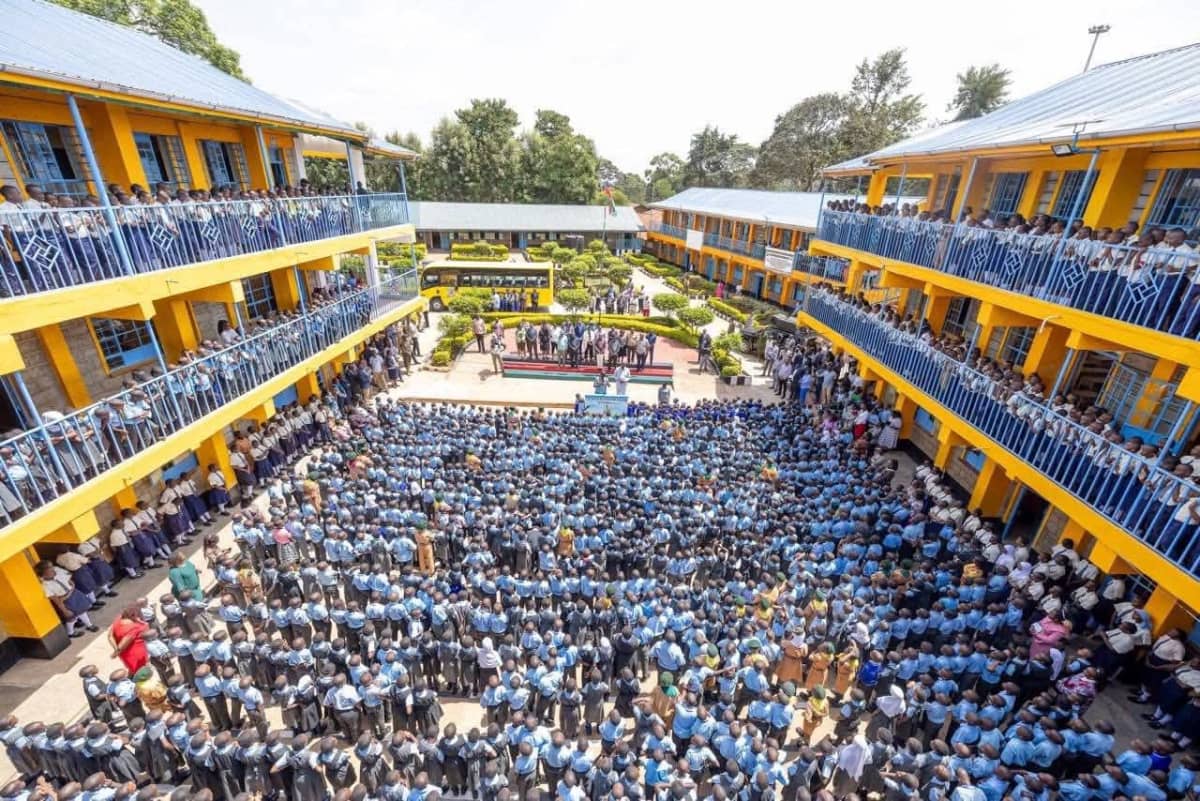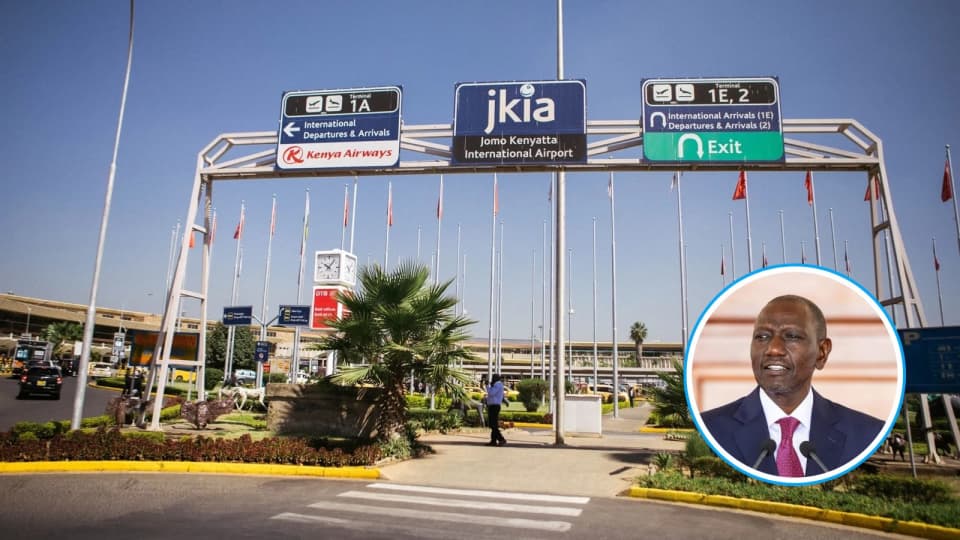

President William Ruto has ordered the Ministry of Education to review government funding allocated to public schools, with a possible increase in capitation expected to be considered before the reopening of schools in January 2027.
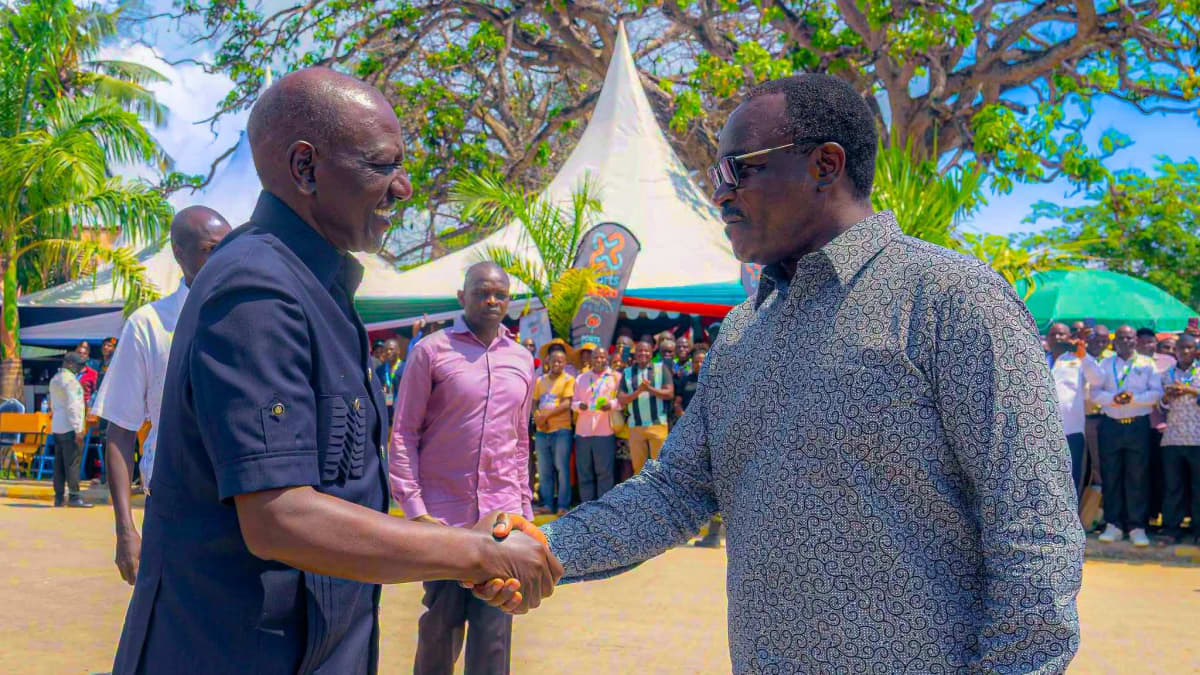
Speaking during the Kenya Comprehensive School Heads Association National Annual General Meeting in Mombasa on Thursday, November 12, the President directed the Ministry, the Teachers Service Commission (TSC) and other education stakeholders to reassess the amount of money allocated to each learner.
Ruto instructed the agencies to prepare a report detailing the proposed funding adjustments and submit it to his office by January 2027 to guide his decision ahead of the first term.
“I have instructed Ogamba and the TSC to again look at the numbers so that we can review that capitation and make it upwards and make it possible for you to teach our children better,” Ruto directed.
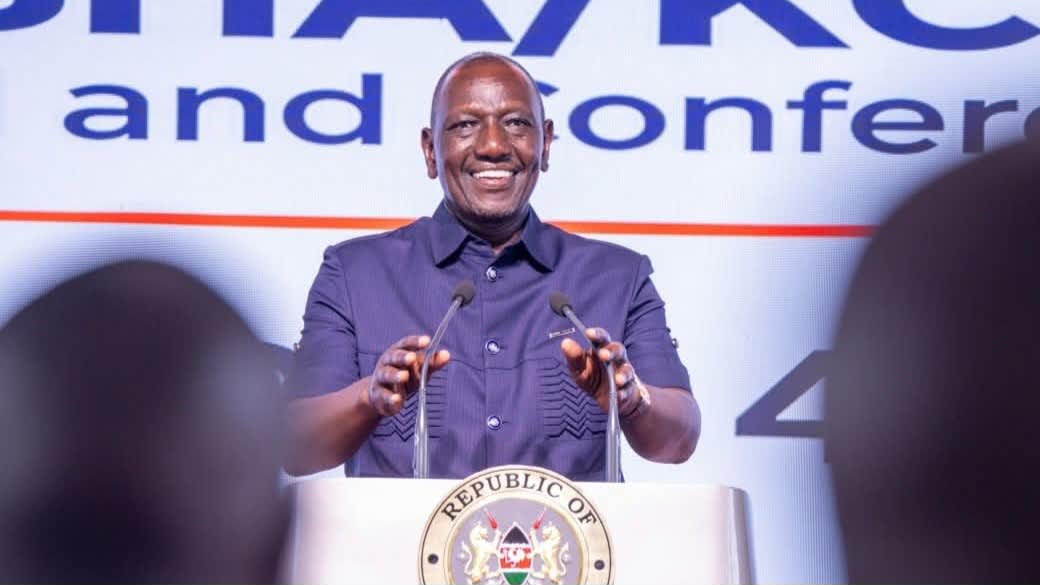
“I expect a report by January next year so that I can make a decision on which way to go,” he added.
The proposed review could provide financial relief to millions of parents and guardians by increasing the resources available to public schools to cater for their daily operations.
Higher government allocations could also reduce schools' reliance on additional contributions from households to finance learning activities and essential services. However, the extent to which parents may benefit will depend on the final funding approved and the actual disbursements made by the government.
Under the current capitation framework, the government allocates Ksh1,420 annually for every primary school learner, Ksh15,042 for a junior secondary school student and Ksh22,244 for each senior secondary school learner.
The Ksh22,244 allocation for secondary school students was introduced in 2018, following successive increases from Ksh10,625 in 2008 to Ksh12,870 in 2015.
However, public schools have faced challenges receiving the full approved amount, with rising enrolment placing additional pressure on available resources without corresponding increases in government funding.
In 2023, secondary school learners received an average capitation of Ksh16,428, while subsequent allocations stood at approximately Ksh17,000, falling short of the approved Ksh22,244 per learner.
The Ministry of Education has consequently sought additional funding to bridge the gap and enable schools to receive the full allocation.
Separately, Ruto directed the Ministry of Education, TSC and teachers' unions to establish a unified capitation framework for primary and junior secondary schools operating under the comprehensive school system.
The model is expected to combine funding for the two education levels, which are now accommodated within the same institutions.
“In basic education, we are bringing both the primary and junior school capitation together into a single model for comprehensive schools. I have instructed the Ministry and the TSC and our unions to sit down and work out the numbers again,” he said.
The President said the review was necessary due to inflation and other economic pressures that have increased the cost of operating schools.
He also urged school heads to continue planning with confidence as the government works towards ensuring capitation funds are released before institutions reopen for each academic term.