

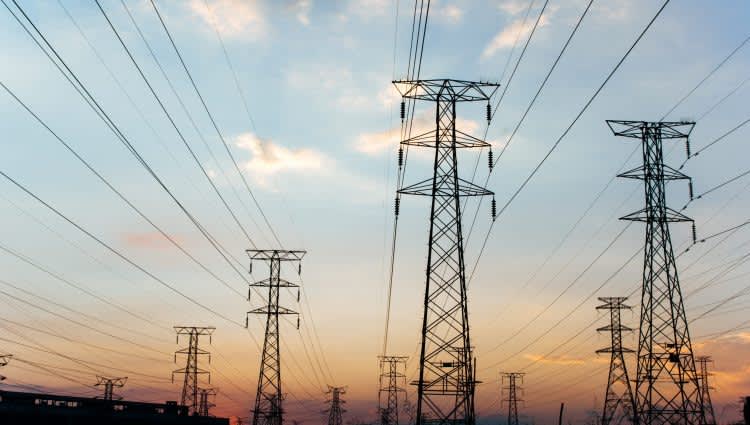
Africa’s efforts to expand electricity access and power industrial growth will depend not only on building generation capacity but also on investing in transmission networks that deliver electricity to consumers and businesses, energy experts said at the 16th Africa PPP Infrastructure Finance, Investment and Partnerships Summit in Nairobi.
The November 13 discussion, titled “Powering Production: Bankable Energy, Transmission and Regional Power Trade”, examined the infrastructure and financing barriers preventing Africa from turning its energy resources into reliable power for industry.
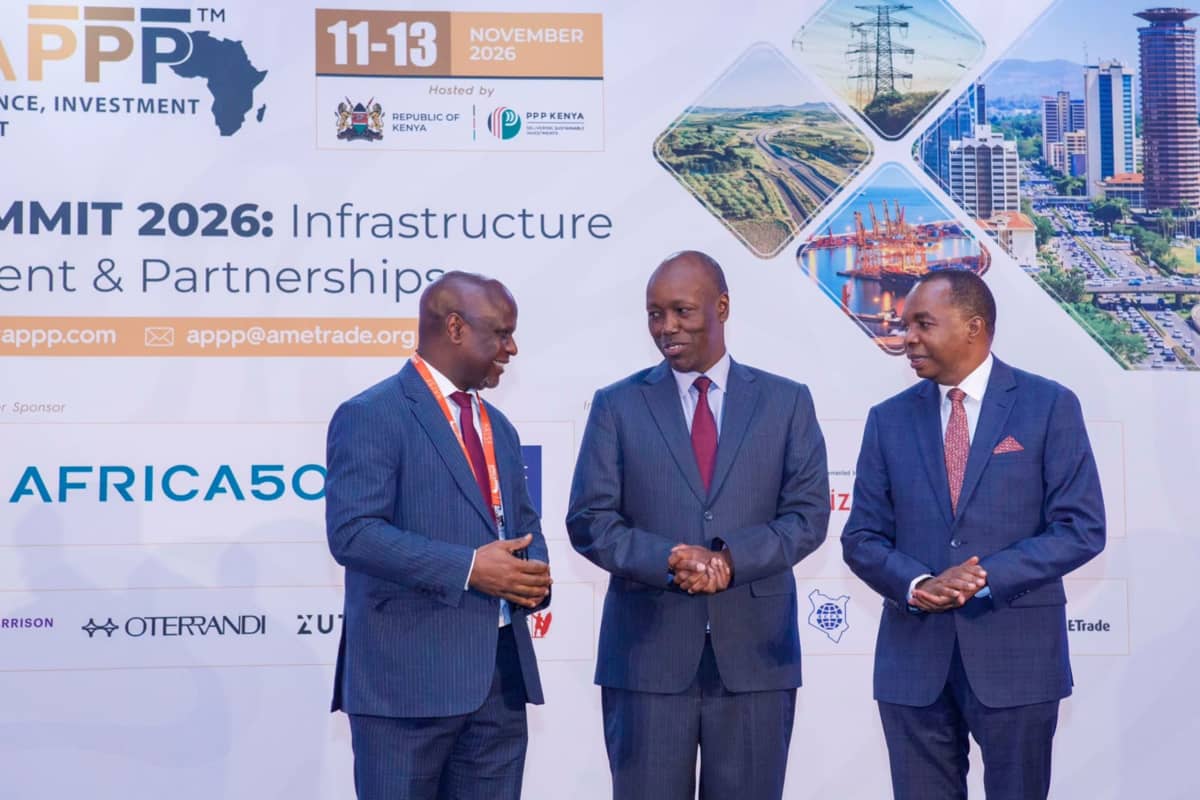
Panelists from the Trade and Development Bank (TDB), Globeleq, Stanbic Bank Kenya, the Geothermal Development Company (GDC) and the Kenya Electricity Transmission Company (KETRACO) called for coordinated investment in generation, transmission and regional interconnection.
A key concern was the gap between electricity generated and power reaching users. Figures presented during the session indicated that about 23% of generated electricity in Africa is not efficiently evacuated. Without adequate transmission lines, new power plants risk operating below capacity while businesses continue to face unreliable supply.
Regional electricity trade was identified as an opportunity to connect areas with surplus power to markets facing shortages. The Southern African Power Pool was cited as an example, with 191.2 GWh traded during the period discussed. Panelists also pointed to a proposed 1,000-kilometre Angola–Democratic Republic of Congo corridor towards Kolwezi, which could support electricity supply to mining and industrial activities.
Speakers said such projects require bankable power purchase agreements, credible payment arrangements, clear risk allocation and early coordination between power producers and transmission agencies.
Stanbic Bank Kenya’s Roland Ogare said lenders were not opposed to risk, provided it was assigned to parties able to manage it. “Lenders are not averse to risk. The question is whether risk is passed down to the party that's best able to manage it,” he said.
GDC highlighted the need to verify geothermal resources and address land access and transmission arrangements early, particularly in developing a 105 MW independent power project.
The session reflected the wider summit call for stronger project pipelines capable of attracting private and institutional investment.
Kenya had 60 projects in its PPP pipeline as of September 30, 2026. 10 of them, valued at approximately Ksh353 billion, were under implementation, while 50 remained at different stages of preparation.
At the summit launch, Treasury Cabinet Secretary John Mbadi, represented by Investments, Trade and Industry Cabinet Secretary Lee Kinyanjui, urged governments to measure infrastructure progress by services delivered, including electricity reaching factories and creating jobs.
The discussions reinforced that Africa’s energy ambitions require more than new power plants. Transmission networks, regional trade and bankable financing structures must advance alongside generation if electricity investments are to support production and economic growth.