The government has approved a Ksh1.1 billion electric cooking programme targeting the uptake of 100,000 electric cooking appliances in Nairobi and three neighbouring counties, in a move aimed at promoting cleaner household energy.
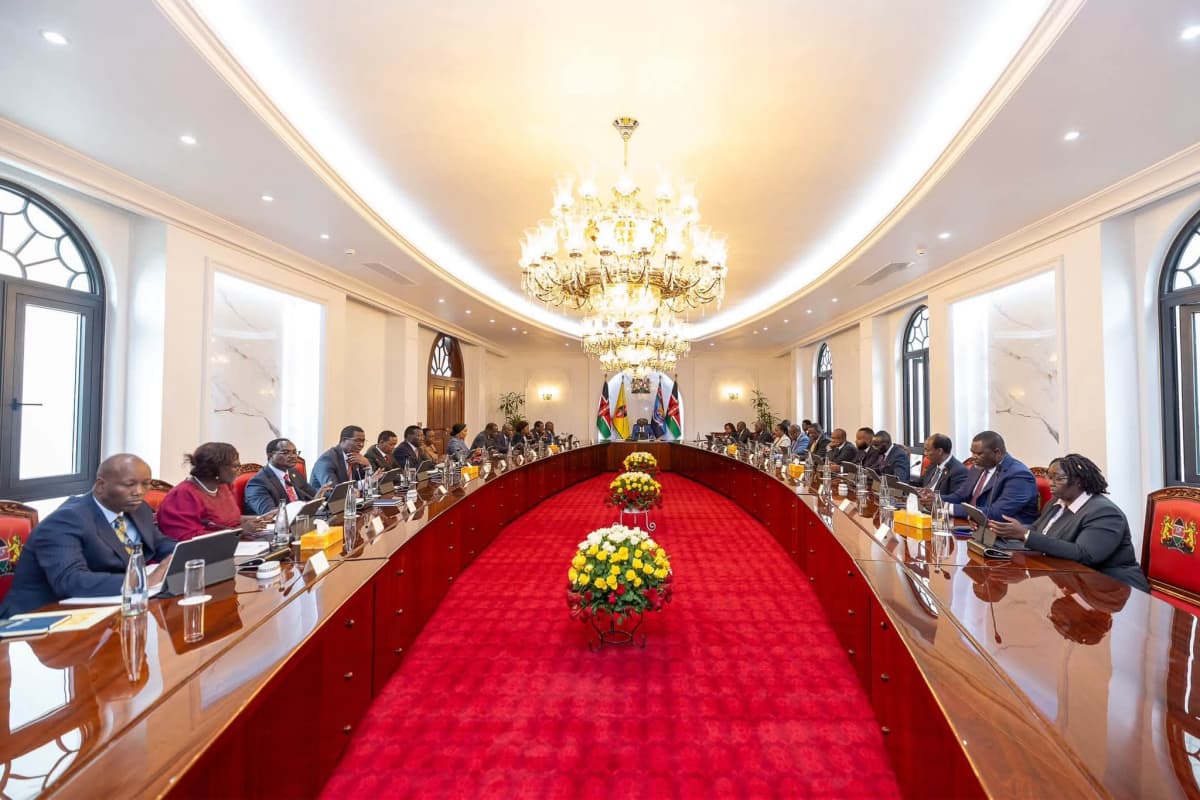
According to a Cabinet dispatch issued on Friday, October 9 and obtained by Vantage Ke, the USD8.8 million initiative will cover Nairobi, Kiambu, Machakos and Kajiado counties as Kenya accelerates its transition to modern cooking technologies.
The programme is intended to reduce household exposure to harmful smoke associated with traditional cooking fuels and encourage the adoption of cleaner alternatives.
"A separate USD8.8 million (approximately KSh1.1 billion) electric cooking programme will support the uptake of 100,000 electric cooking appliances in Nairobi, Kiambu, Machakos and Kajiado counties," the dispatch read in part.
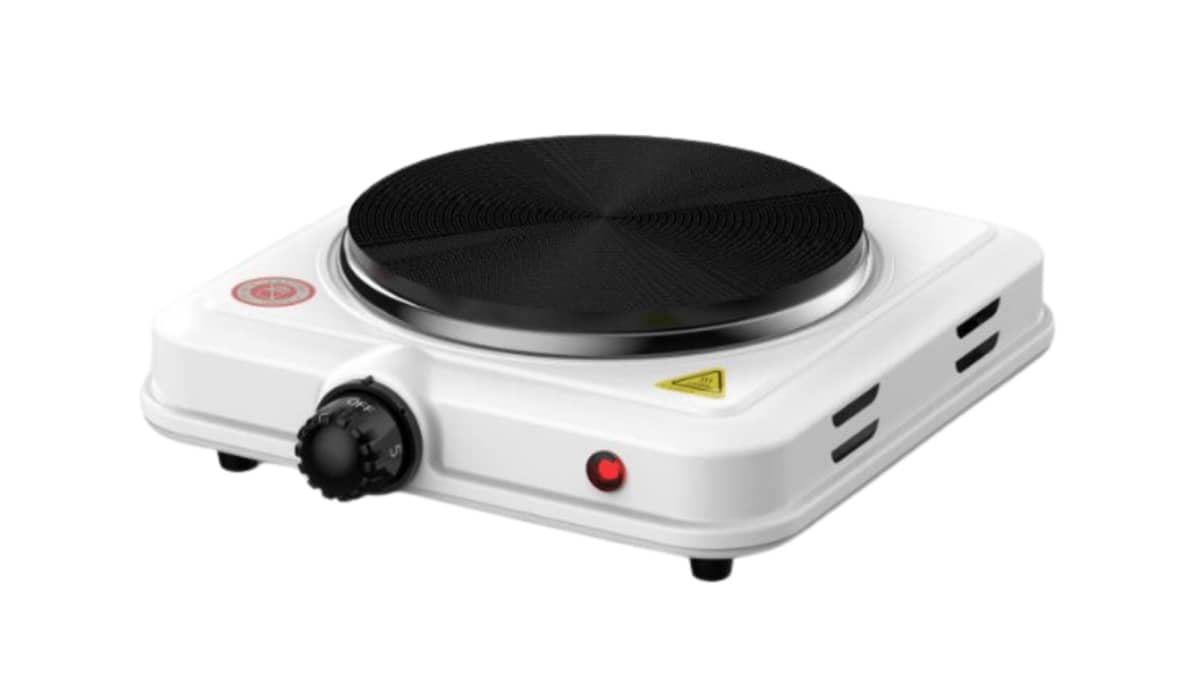
"The Cabinet-endorsed initiative will promote cleaner cooking, reduce household exposure to harmful smoke and accelerate the transition to modern energy."
However, the Cabinet dispatch did not specify how the 100,000 appliances will be distributed, whether households will receive them free of charge or at subsidised prices, or when the rollout will begin.
The government also did not provide details on the eligibility criteria for households seeking to benefit from the initiative.
The programme comes as Kenya pursues broader reforms to expand access to electricity and increase the use of cleaner energy in homes and businesses.
However, this latest announcement signals a possible change in the government’s approach from its earlier efforts to make Liquefied Petroleum Gas (LPG) cylinders more affordable for Kenyan households.
In 2023, President William Ruto pledged to lower the cost of refilling 6kg LPG cylinders to between Ksh300 and Ksh500 to encourage more households to adopt cleaner cooking fuels.
The targeted price range was not realised, as LPG refills remained significantly more expensive. The high costs have continued to push some households towards cheaper alternatives, including charcoal and firewood.
Cleaner Cooking Remains a Key Challenge
Electric cooking offers an alternative to traditional fuels such as firewood and charcoal, which produce smoke and indoor air pollution.
Kenya's National Electric Cooking Strategy identifies the high upfront cost of appliances, affordability challenges and gaps in supply chains as barriers to wider adoption. It also highlights opportunities to expand consumer financing and develop appliances suited to local cooking needs.
The government has been pursuing clean-cooking initiatives that include electricity, liquefied petroleum gas, bioethanol and other alternatives to traditional biomass fuels.
The success of the newly approved programme will depend partly on how the appliances reach households and whether beneficiaries can afford the electricity needed to use them.
For now, the Cabinet announcement establishes the target of 100,000 electric cooking appliances across the four counties, while further details on implementation, financing arrangements and the selection of beneficiaries remain outstanding.
Government Targets 5.1 Million New Electricity Connections
In a separate energy-sector decision, Cabinet adopted the Kenya National Energy Compact, which seeks to mobilise approximately Ksh2.47 trillion (USD19 billion) in investment by 2030.
The plan targets an additional 5.1 million household electricity connections, with the government seeking to extend power access to underserved communities while supporting enterprise growth, industrial development and employment creation.
Expanding electricity access could also support the transition to electric cooking by making power available to more households. However, the affordability of electricity and cooking appliances will remain important considerations in determining how widely the technology is adopted.
The two initiatives form part of the government's broader energy agenda, linking electricity expansion with efforts to improve household energy access.
