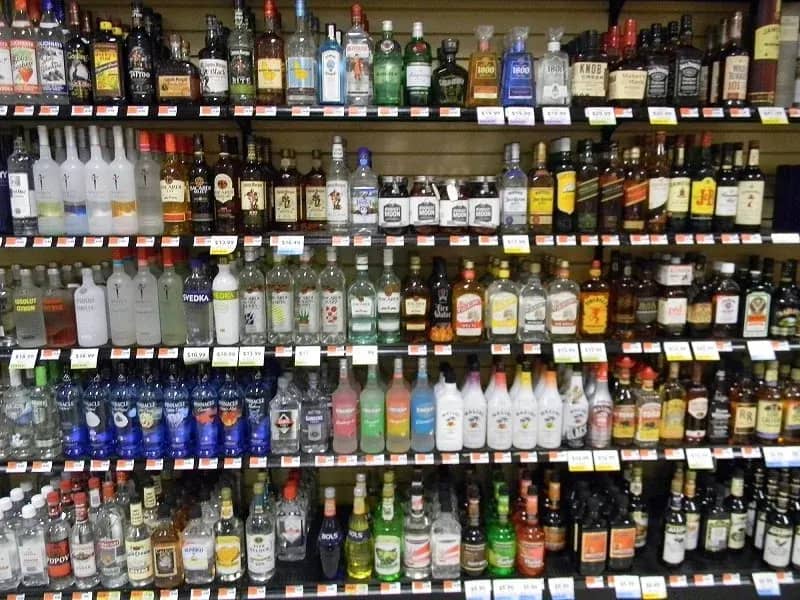
The Alcoholic Beverages Association of Kenya (ABAK) has called for stronger enforcement against the illicit alcohol trade amid growing concerns over product authenticity, quality and the circulation of alcoholic beverages through unregulated supply chains.
In a statement issued on Thursday, August 27, 2026, and obtained by Vantage Ke, ABAK urged consumers to purchase alcoholic beverages only from authorised distributors, licensed retailers and reputable outlets to reduce the risk of buying products of unknown origin or those improperly handled during distribution.
The association, which represents leading alcohol beverage manufacturers in Kenya, maintained that its members adhere to stringent local and international quality standards aimed at ensuring products reaching consumers are safe, compliant and consistent in quality.
ABAK Chairperson Kui Kinyanjui called for closer cooperation between regulators, enforcement agencies, industry players and retailers to protect consumers and legitimate businesses.

“Kenyan consumers deserve the assurance that the products they purchase are genuine, safe and sourced through legitimate channels. Protecting that trust requires a united effort to strengthen enforcement, disrupt illegal and criminal trade networks, enhance product traceability, and hold accountable those who profit from undermining legitimate businesses and exposing consumers to unnecessary risks.”
The association also raised concern over the increasing volume of alcoholic beverages entering the Kenyan market through parallel importation channels.
While acknowledging the role of legitimate imports in the economy, ABAK warned that products entering the market outside established distribution networks could pose challenges around traceability, storage conditions and verification of origin.
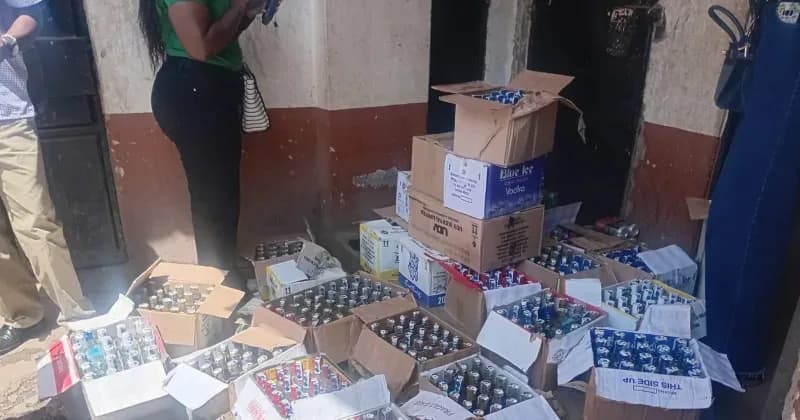
The call for tougher enforcement comes against the backdrop of a multi-agency crackdown in Nairobi on August 26, when the National Authority for the Campaign Against Alcohol and Drug Abuse (NACADA) confiscated 868 assorted alcoholic beverages in Eastleigh.
The operation, conducted at Section 3 along 18th Street, targeted outlets suspected of distributing illicit alcoholic products. Officers from NACADA, the Kenya Revenue Authority (KRA), the Kenya Bureau of Standards (KEBS) and the National Police Service participated in the operation.
Authorities recovered alcoholic beverages bearing suspected counterfeit KRA stamps, uncustomed beer reportedly sourced from Defence Forces Canteen Organisation (DEFCO) stores, as well as expired and suspected counterfeit products.
A distributor and a retailer were arrested and taken to Jogoo Road Police Station, while the seized products were submitted for analysis to establish their authenticity and compliance with regulatory requirements.
The Eastleigh operation forms part of a wider intelligence-led enforcement campaign being conducted across the country as authorities respond to concerns over the manufacture, distribution and sale of counterfeit and illicit alcoholic beverages.
NACADA Chief Executive Officer Dr Anthony Omerikwa noted that the Authority was working with other government agencies to intensify action against manufacturers, distributors and outlets involved in unlawful alcohol trade.
ABAK has also urged the government to strengthen border controls, market surveillance and product traceability mechanisms to prevent illegal and non-compliant beverages from reaching consumers.
“We urge consumers to buy alcoholic beverages only from authorised and reputable outlets and to always drink responsibly. At the same time, we call for continued investment in intelligence-led enforcement, stronger border controls, and coordinated action among all stakeholders to safeguard product integrity and consumer trust across the market,” Kinyanjui added.
The association further cautioned consumers that excessive alcohol consumption can cause adverse health effects and other negative outcomes that may sometimes be mistaken for problems with product quality.
ABAK reaffirmed its commitment to working with government agencies, retailers, trade partners and consumers to promote a transparent and well-regulated alcohol industry while safeguarding consumer safety and legitimate businesses.