
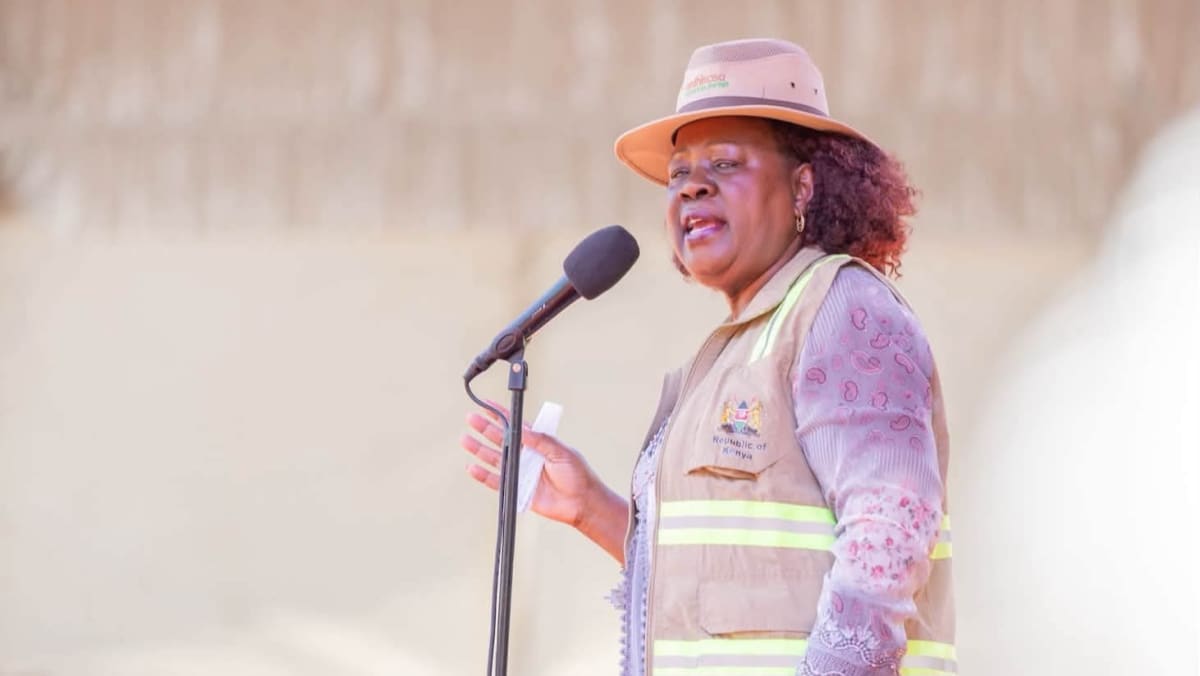
Lands Cabinet Secretary Alice Wahome has said a majority of the land set aside for the Dangote East Africa Refinery in Lamu is government-owned public land, as a legal dispute continues with residents claiming ownership of portions of the property.
Wahome said the government had identified approximately 7,000 acres for the refinery, alongside an additional parcel measuring more than 2,000 acres, which she said is also state-owned.
The Cabinet Secretary noted that the presence of people occupying parts of the identified land does not automatically make the property private.
“The government was dealing with different categories of people in the area, including genuine squatters who may have occupied particular pieces of land for decades and may have no other place to go,” she explained.
According to Wahome, some families have occupied the land for between 50 and 60 years, with ownership claims passed down through generations, complicating efforts to establish legitimate ownership.
The clarification comes amid a court battle involving some Lamu residents who have opposed the refinery's development, arguing that sections of the land are ancestral property. The residents have also raised concerns about compensation and possible displacement arising from the project.
Wahome said the government already had records showing the original landowners and people with legitimate claims as authorities worked to resolve the broader land issues surrounding the refinery.
She further alleged that some individuals who had sued the government over the project had been “planted by enemies of development”. However, she maintained that legitimate grievances would be considered and addressed.
The Cabinet Secretary explained that the government's involvement in the process was necessary because the refinery is a multi-agency project requiring coordination on land matters, resettlement and the handling of claims by members of the public who could be affected.
The dispute comes as the government proceeds with the Ksh2.2 trillion Dangote East Africa Refinery, which was officially launched on September 30.
The project is expected to generate up to 60,000 direct and indirect jobs and has been presented by the government and Dangote Group as a major investment for Lamu and the wider East African region.
Wahome said the ongoing court case was being handled directly by the Attorney General, while the government would continue addressing legitimate claims arising from the refinery's development.
