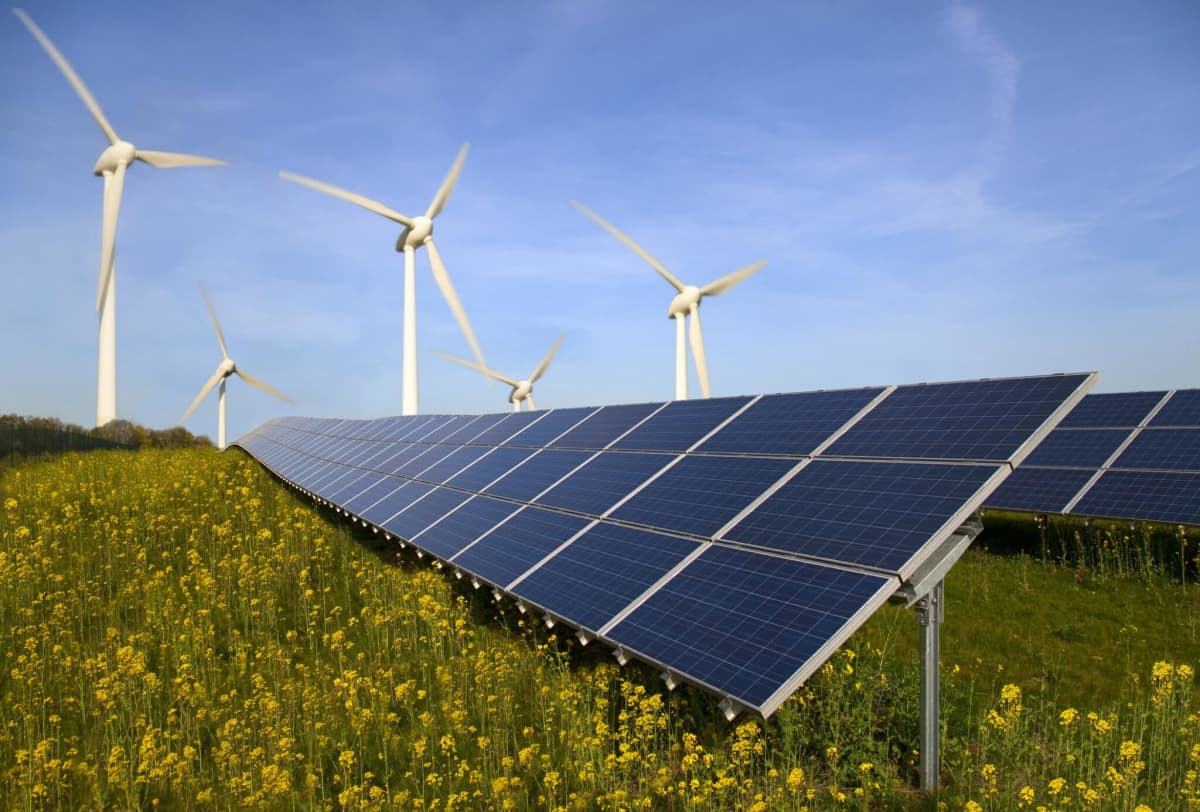
Homes and businesses with solar power installations that feed excess electricity into the Kenya Power network without approval will now face additional charges under new regulatory measures.
The Energy and Petroleum Regulatory Authority (EPRA) has introduced a dumping surcharge targeting consumers who supply surplus electricity to the national grid without obtaining the required approval or signing a valid net-metering agreement.
Under the amended 2023 tariff schedule, electricity injected into the Kenya Power network without authorisation will be classified as dumping and charged at the applicable base tariff.

Kenya Power has also warned customers against unauthorised connections, saying such systems could endanger its staff and interfere with the stability and reliability of the national electricity network.
The measures are provided for under the Energy (Net-Metering) Regulations, 2024, which establish a framework allowing consumers who generate their own electricity to supply surplus power to the national grid.
The regulations permit electricity systems with a capacity of up to one megawatt to export excess power to the Kenya Power network, provided the customer has entered into a formal net-metering agreement.
Kenya Power is also empowered to disconnect electricity systems that pose a threat to the safety, reliability, or security of its distribution network.
The latest measures come as Kenya's electricity system absorbs increasing amounts of variable renewable energy, particularly wind and solar power.
Kenya Power reported on August 11, 2026, that wind and solar sources accounted for 34 per cent of the country's energy mix during daytime peak demand.
The utility said fluctuations in renewable generation can affect electricity frequency and voltage, requiring other generation sources to be brought online to maintain stability across the grid.
"Currently, VREs account for 34 per cent of the total energy mix during the day peak demand of 1900 MW and 36 per cent during low load demand of 1200 MW," Kenya Power noted.
"This exposes the national grid to system vulnerability when wind and solar suddenly dip or rise in production, forcing the grid to take on other generation sources to cushion the intermittency of generation," it added.
The regulations therefore place a formal requirement on solar power users who want to export surplus electricity, rather than allowing electricity to be fed into the grid without prior coordination with Kenya Power.
