Kenyans are increasingly turning to cooking gas despite persistent concerns over its cost, with new data showing that demand for Liquefied Petroleum Gas (LPG) jumped significantly during the 2025/2026 financial year.
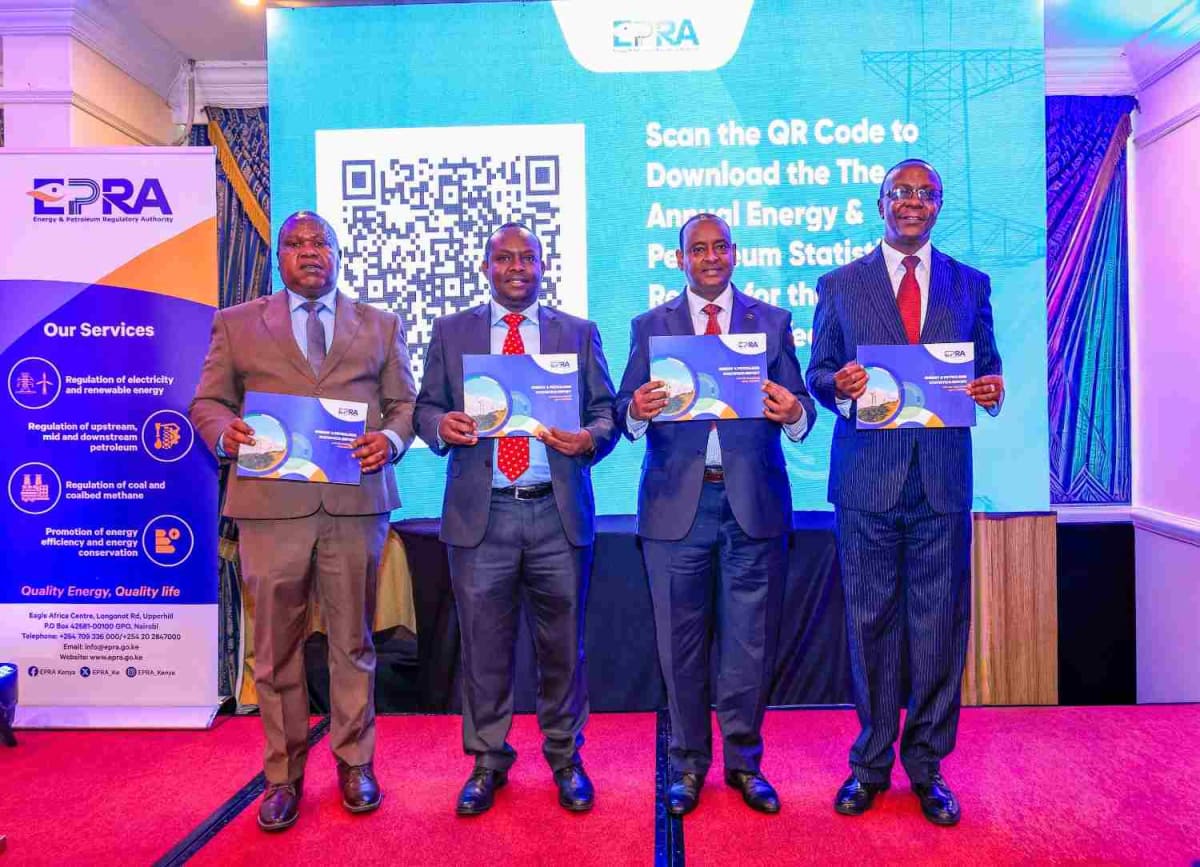
The Energy and Petroleum Regulatory Authority (EPRA) revealed in its latest annual statistics report that LPG consumption increased by 14.62 per cent to 475,943 metric tonnes in the year ended June 30, 2026.
Per capita consumption also rose from 7.9 kilogrammes to 8.9 kilogrammes, highlighting the growing role of LPG in Kenyan households and institutions as the country pushes cleaner cooking alternatives.
However, the rising demand comes at a potentially difficult time for consumers, with cooking gas prices expected to increase in October following a sharp rise in international propane and butane prices.

According to industry executives quoted by The Star, Saudi Aramco's September contract prices for butane rose by 25.8 per cent to $628 per tonne, while propane increased by 23.2 per cent to $494 per tonne. The increases have been linked to disruptions affecting LPG supplies from the Middle East.
One petroleum industry executive said the higher international prices were likely to be passed on to Kenyan consumers.
“LPG prices should go up next month, and this mainly boils down to the Saudi Aramco CP (contract prices). Average prices of butane and propane have significantly gone up this month, and this will affect local prices next month,” the executive said.
Unlike petrol, diesel and kerosene, LPG retail prices are not controlled or capped by the government, meaning distributors set prices based on market conditions and costs.
Why More Kenyans Are Using LPG
Despite the potential price increase, EPRA's latest report shows that LPG demand has maintained a strong upward trajectory. Demand rose from 360,594 metric tonnes in 2023/24 to 414,861 metric tonnes in 2024/25, before reaching 475,943 metric tonnes in 2025/26.
EPRA attributed the latest growth to increased imports, expanded storage and distribution infrastructure, improved availability and government measures promoting clean cooking.
Dr Joseph Oketch, EPRA's Acting Director General, said the growth in clean energy consumption was encouraging. “The overall energy and petroleum sector has registered continued growth, but it is commendable that clean energy consumption continues to grow," he remarked.
"The increase in LPG consumption has been supported by expanded importation, storage, and distribution infrastructure; improved product availability; and government policy interventions aimed at promoting clean cooking solutions."
The regulator expects demand to continue rising under the National LPG Growth Strategy, which targets greater use of LPG in households, public learning institutions and residential developments, alongside targeted cylinder distribution programmes for low-income households.
New Facilities to Boost LPG Supply
Kenya is also expanding infrastructure to accommodate the growing market. EPRA identified the Taifa Gas terminal at Dongo Kundu Special Economic Zone and the Asharami Synergy storage facility at KPRL among new LPG receiving and storage facilities.
The projects are expected to increase LPG handling capacity by 60,000 metric tonnes, supporting the Open Tender System and improving supply reliability.
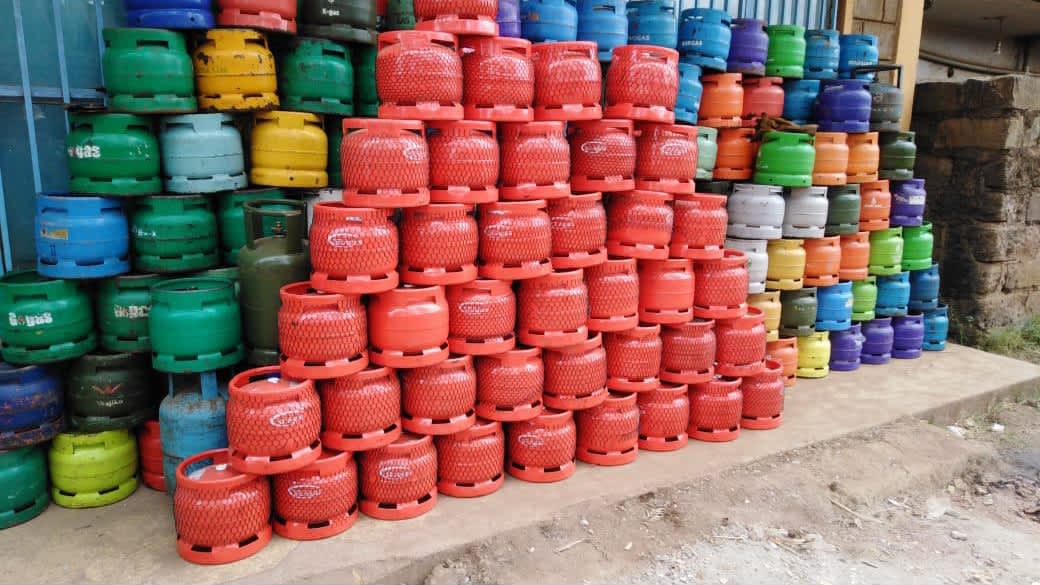
The expected October increase comes despite the government's push to make LPG more accessible. Current reported retail prices range between Ksh1,100 and Ksh1,600 for a 6kg cylinder, while a 13kg cylinder costs about Ksh2,200 to Ksh3,500, depending on the brand and location.
The latest developments therefore present a contrasting picture that more Kenyans are adopting LPG as a cleaner cooking fuel, even as international market pressures threaten to make refilling the cylinders more expensive.