
Democracy for the Citizens Party (DCP) leader Rigathi Gachagua has given the Independent Electoral and Boundaries Commission (IEBC) until January 2027 to address concerns raised by the Opposition over preparations for the General Election, warning of fresh protests if the issues remain unresolved.
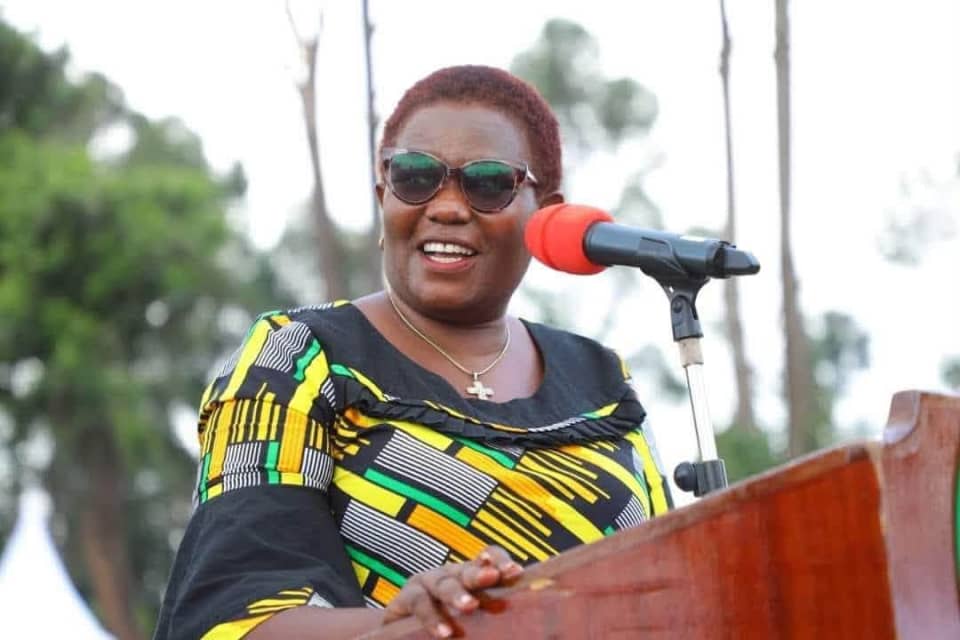
Speaking during a church service in Runyenjes, Embu County, on Sunday, November 22, Gachagua questioned the commission's preparedness, arguing that outstanding issues surrounding voter registration and election technology could compromise the credibility of the August 2027 elections.
The former Deputy President demanded clarity on when IEBC would conduct an independent audit of the voter register to eliminate the names of deceased persons, suspected foreign nationals, and individuals allegedly registered irregularly.

"IEBC, we want to know when the audit of the voter register will be conducted so that we can remove the names of people who have since died," Gachagua said.
He further cited remarks attributed to United Democratic Alliance (UDA) Secretary General Hassan Omar, claiming they raised questions about the possibility of deceased persons being used to influence the election outcome.
"We want names of people who died removed because Hassan Omar, UDA Secretary General, said they will get people who died to vote for them. Even foreigners who might have been registered must be removed,"
Omar has since addressed the remarks, which went viral, maintaining that his comments had been taken out of context.
Gachagua also raised concerns about the electoral technology provided by Smartmatic, claiming that the existing contract was scheduled to expire on November 24, 2026, without a replacement system having been secured.
He argued that acquiring and deploying a new electoral technology system could take between five and six months, potentially disrupting IEBC's planned mass voter registration exercise scheduled for February 2027.
The DCP leader questioned how the commission would undertake the exercise if the current arrangement expired without being renewed or replaced.
On the transmission and tallying of presidential results, Gachagua opposed the proposed national tallying centre arrangement, insisting that results should first be declared at constituency level before political parties and other stakeholders conduct independent tallies.
"We want results to be done at the constituency level, and we will tally it ourselves," he said.
Gachagua maintained that the Opposition would give IEBC until January to respond to its demands, warning that failure to do so would trigger nationwide mobilisation targeting the commission's offices.
"We are telling IEBC, if you do not want to listen to leaders, we will ask Kenyans to come to talk to you. Ethekon, you have a choice to make; you either talk to the leaders or talk to Kenyans," he warned.
The remarks come amid growing tensions between IEBC and Opposition leaders over the commission's preparations for the 2027 General Election.
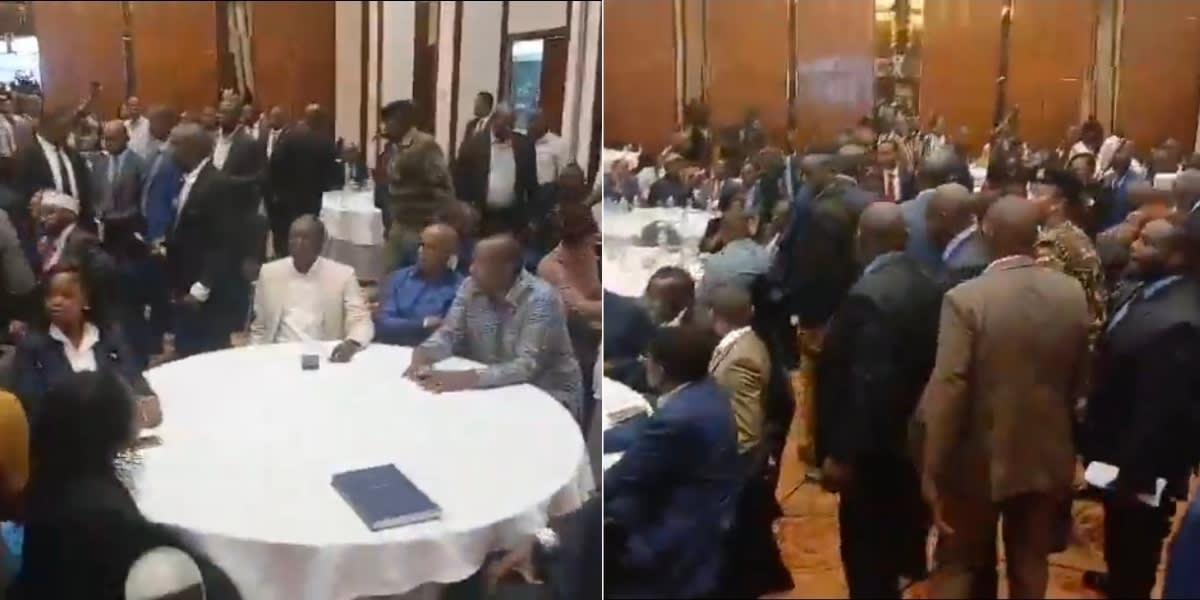
Earlier in the week, IEBC intensified consultations with political stakeholders in what appeared to be an attempt to address political concerns and build consensus ahead of the polls. However, the engagement encountered resistance on Thursday, November 19, when Opposition leaders, including Wiper Party leader Kalonzo Musyoka, walked out of a meeting in Nairobi.
The leaders accused the commission of failing to address longstanding concerns over electoral reforms and preparations for the next General Election.
They argued that IEBC had not fulfilled previous commitments to establish a technical working team that would examine their proposals.
Among the issues they wanted addressed were an independent audit of the voter register, changes to the electoral technology system and the decentralisation of presidential results tallying.
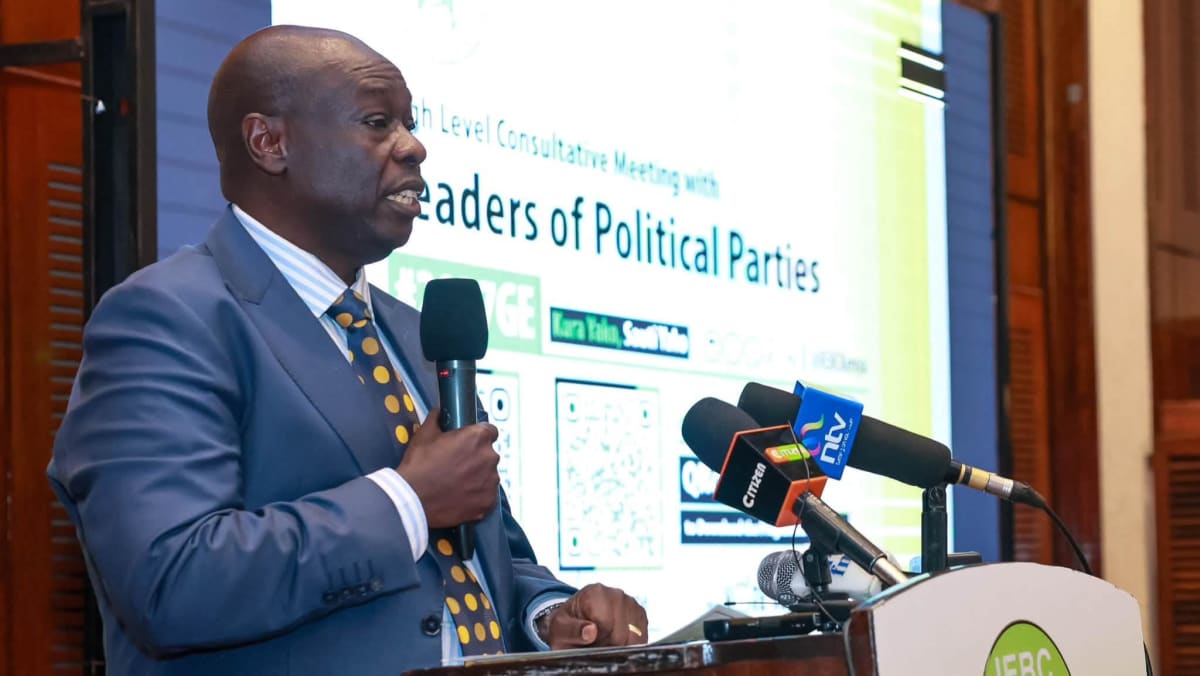
IEBC subsequently criticised the Opposition's decision to leave the meeting, explaining that the leaders had made preliminary remarks and presented their demands before the commission could deliver its presentation or begin substantive discussions.
The disagreement has added to the pressure on the electoral commission to demonstrate its readiness to oversee the 2027 elections amid growing political scrutiny.