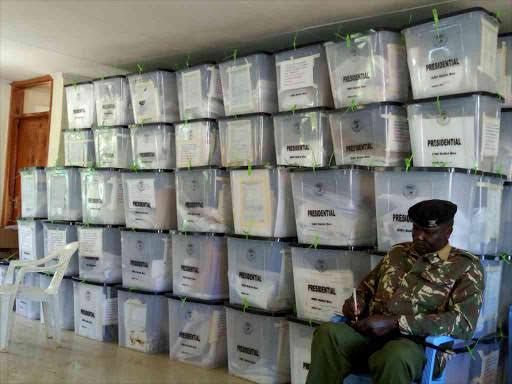
The Independent Electoral and Boundaries Commission (IEBC) has warned politicians against conducting early campaigns ahead of the August 2027 General Election, cautioning that those who breach electoral rules could face sanctions including fines, disqualification and cancellation of election results.
IEBC Vice Chairperson Fahima Abdallah issued the warning as the Commission outlined measures to identify and manage election-related risks from the campaign period through to the announcement of results. Speaking on Tuesday, September 9, Abdallah reminded political parties and candidates that the official campaign period will run from May 29, 2027, to August 7, 2027.
She cautioned politicians against disregarding the prescribed timelines, noting that the Commission would rely on the Electoral Code of Conduct to deal with violations.
"The Commission will enforce the Electoral Code of Conduct, imposing sanctions including fines, restrictions from public media, prohibition from public meetings and restrictions from specified areas,” she stated.
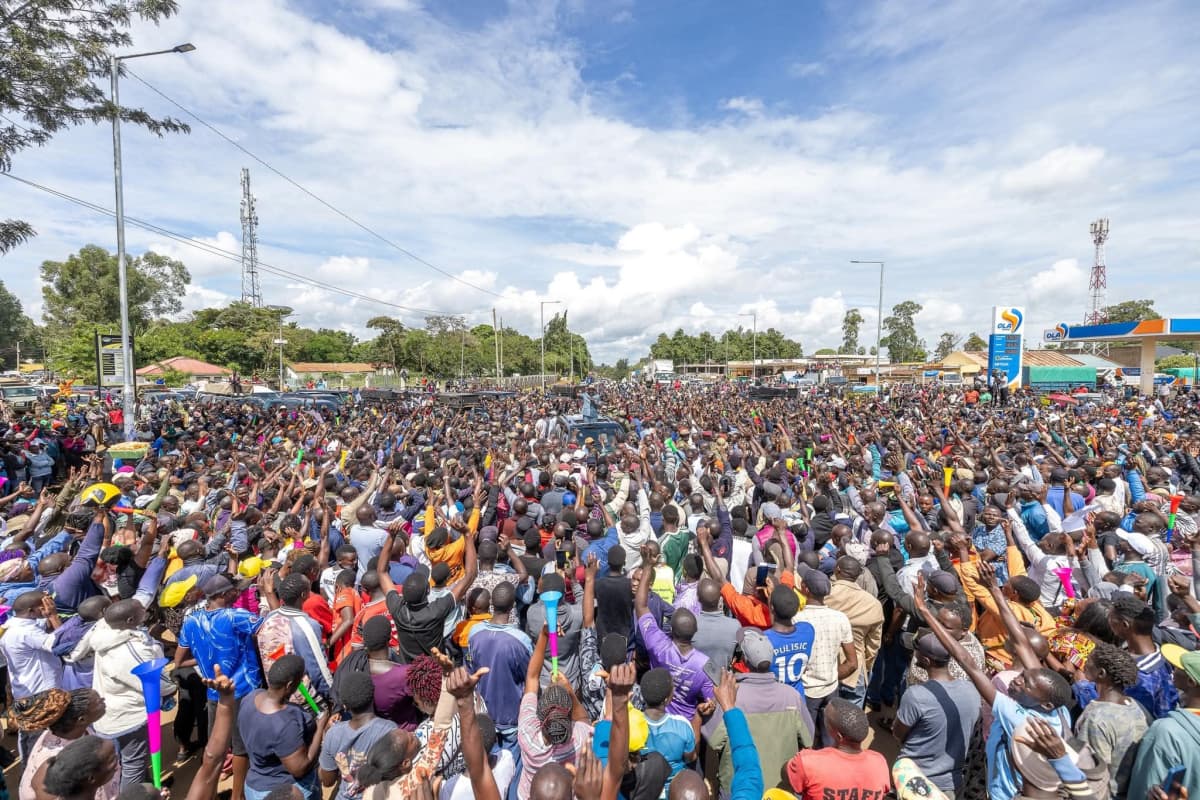
The warning comes amid growing political activity ahead of the 2027 polls, with the electoral agency expressing concern over the potential for political competition to trigger violence, intimidation and disruption of electoral activities.
Abdallah particularly cautioned against the use of goons and armed groups during political campaigns, warning that such conduct could attract action from the Commission.
"The Commission has demonstrated resolve by sanctioning candidates with significant fines and warning that further breaches will attract disqualification or result in cancellation. We will take decisive action against any actor, regardless of political standing,” she said.
She described the campaign period as one of the most volatile stages of the electoral cycle but assured Kenyans that preparations were underway to safeguard the electoral process and promote peaceful polls.
The Commission is working with the National Police Service, the Office of the Director of Public Prosecutions (ODPP), the Judiciary, the National Cohesion and Integration Commission (NCIC) and the Independent Policing Oversight Authority (IPOA) to strengthen election security.
The agencies are reviewing existing security arrangements under the Electoral Security Arrangement Programme (ESAP), with the aim of identifying gaps and establishing mechanisms for responding to emerging threats.
As part of the preparations, IEBC plans to train more than 200,000 police officers and its staff on electoral laws, public order management and their responsibilities during the election period.
The Commission also plans to improve coordination in the investigation and prosecution of election-related offences while strengthening early warning and response systems.
The measures are intended to enable electoral and security agencies to identify potential threats early and intervene before they escalate into incidents that could disrupt campaigns, voting or the declaration of results.
IEBC Commissioner Hassan Noor said the review of election security was informed partly by experiences from recent by-elections, where political competition in some instances escalated into confrontations.
"Recent by-elections taught us that political competition can rapidly escalate into violence. We must conduct thorough risk assessments and deploy proactive security measures. The Commission will not tolerate violence, intimidation or interference. Let us work together to ensure the 2027 elections are free, fair, peaceful and credible,” Hassan said.
The Commission said enforcement of electoral rules would apply irrespective of the political influence or status of those involved. Under the Electoral Code of Conduct, violations can attract various penalties, including financial sanctions, restrictions on access to public media and prohibitions on holding public meetings or accessing designated areas.
More serious violations may result in the disqualification of candidates or cancellation of election results, depending on the circumstances and applicable legal provisions.
The ESAP review brings together electoral, security, justice and oversight institutions to establish a coordinated approach to election preparedness.
With the 2027 polls approaching, IEBC is seeking to ensure that political parties, candidates, security agencies and other stakeholders understand their responsibilities and comply with the law throughout the electoral cycle.