
Kenya Airways has called for tougher travel insurance standards and a coordinated crisis response plan to protect the country's tourism industry from future disruptions, warning that lessons from previous crises must translate into stronger preparedness systems.
The airline's Chief Commercial and Customer Officer, Julius Thairu, said Kenya needed to move away from relying on the ability of individual tourism operators to survive emergencies and instead establish systems to protect travellers, businesses and the wider industry.
Speaking during the Magical Kenya Travel Expo (MKTE) 2026 in Nairobi on Thursday, October 8, Thairu proposed minimum standards for travel insurance, stronger health-security infrastructure and a coordinated framework for managing crises affecting tourism.
He said Kenya's experience with previous disruptions, including post-election violence, the COVID-19 pandemic and the 2024 protests, demonstrated the industry's resilience but also highlighted the need for better preparation.
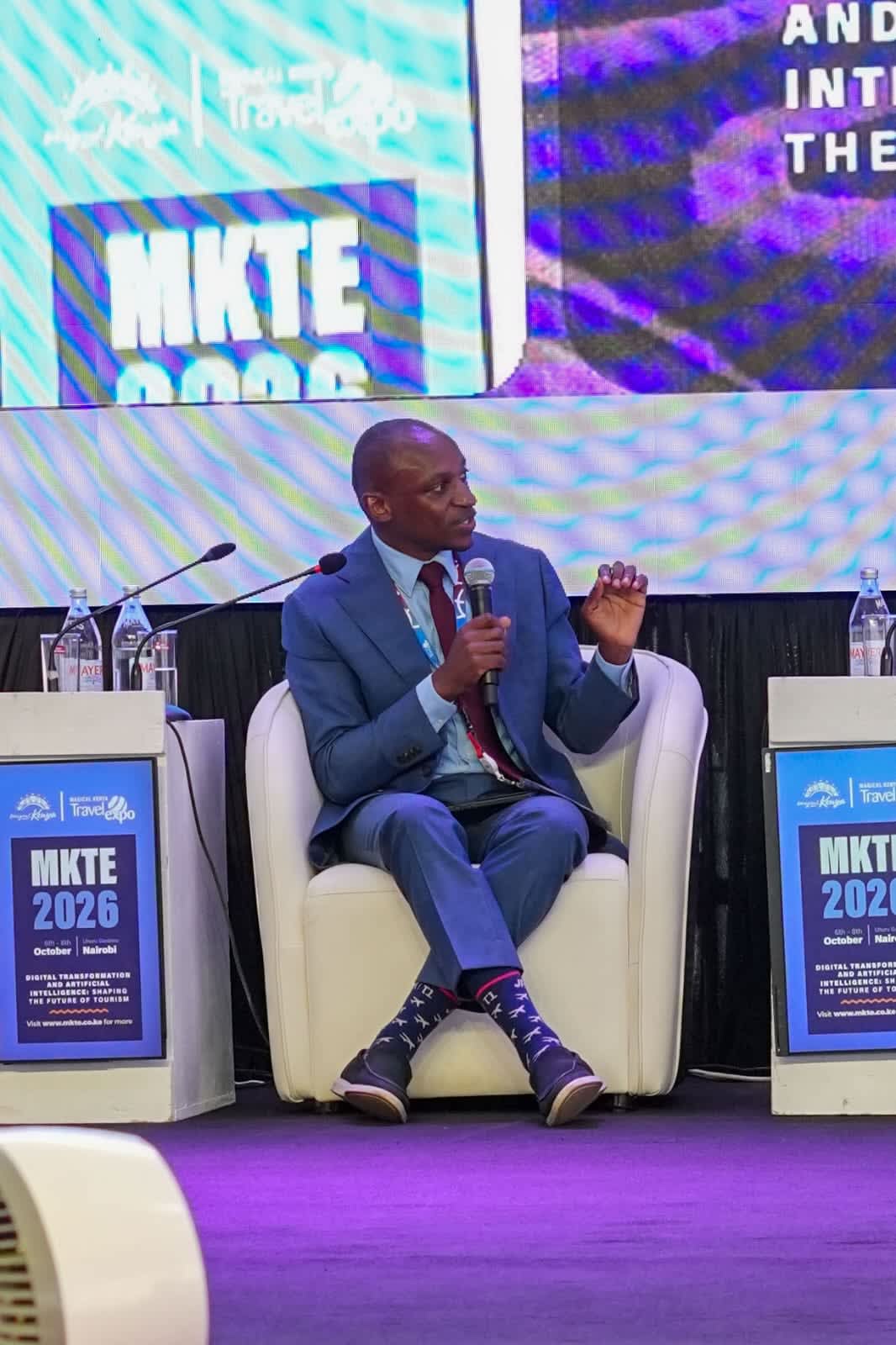
"Kenya's tourism sector has proven its resilience time and again, from post-election violence to COVID-19 to the 2024 protests, largely on the strength of the product and the determination of individual operators," Thairu said.
"But surviving a crisis is not the same as being built for one. The next step is to move from resilience by experience to resilience by design, with systems that strengthen traveller confidence, protect operators and enable faster recovery from future disruptions."
Changes to Travel Insurance
One of the airline's key proposals is to make travel insurance a standard component of the tourism booking experience rather than an optional consideration for travellers. Thairu called for insurance coverage to be integrated into booking platforms operated by airlines, online travel agencies, hotels and mobile payment providers.
He also called on the Tourism Regulatory Authority (TRA) to introduce minimum standards requiring customers to receive clear information about available insurance coverage before completing their bookings.
Kenya's extensive mobile money ecosystem, he argued, could provide an opportunity to increase the uptake of travel insurance, particularly within the domestic tourism market.
However, the airline did not specify whether the proposed standards would make insurance compulsory, how much the cover would cost or which risks would have to be covered.
Health Security and Travel Advisories
The airline also urged the tourism industry to strengthen health-security systems, warning that travel advisories issued by major source markets can affect bookings and visitor confidence.
Thairu called for proactive engagement with foreign government agencies, including the United Kingdom's Foreign, Commonwealth and Development Office (FCDO) and the US State Department.
He argued that investments in health-security infrastructure should be treated as a way of strengthening Kenya's competitiveness as a tourism destination rather than simply as an additional expense.
The proposed approach would involve a public-private financing model to support emergency medical response, disease surveillance and the availability of trained personnel.
Thairu said such a framework should extend beyond Nairobi and operate without relying on donor funding.
The airline, however, did not provide details of the proposed financing model, the amount of investment required or the specific locations where additional health-security capacity would be prioritised.
2024 Protests
On crisis management, Thairu pointed to the 2024 protests, saying cancellations had outpaced the industry's coordinated response.
He called for a pre-agreed crisis protocol involving government agencies, airlines, hotels and tourism trade partners to ensure a faster and more consistent response when disruptions occur. The proposed framework would establish clear responsibilities, designated spokespersons, approved public messaging and rapid response mechanisms.
Thairu also proposed sector-wide force majeure standards and a standing recovery plan supported by pre-allocated budgets and pre-approved marketing materials. Such arrangements, he said, would allow the industry to respond more quickly to disruptions and begin recovery campaigns without unnecessary delays. The proposals would require coordination across several public and private sector organisations.
The airline did not announce an implementation timetable or indicate whether the government and tourism regulators had agreed to adopt the recommendations.
Tourism and Aviation Partnership
Thairu made the proposals while representing Kenya Airways, the official airline partner of MKTE 2026, which brings together tourism stakeholders to promote Kenya and strengthen international trade relationships.
"Tourism and aviation grow together, with a strong national carrier helping drive tourism growth while expanded connectivity creates new opportunities for tourism development," he said.
He added that the expo provided an opportunity for government agencies, airlines, hospitality businesses, investors and destination marketers to work together to improve Kenya's competitiveness.
The airline's proposals place the emphasis on preparing for future disruptions before they occur, rather than relying on emergency responses after tourism businesses and travellers have already been affected.
