
Kenya’s diaspora remittances declined by 1.3 per cent in the 12 months to August 2026, largely due to reduced inflows from the United States and Saudi Arabia.
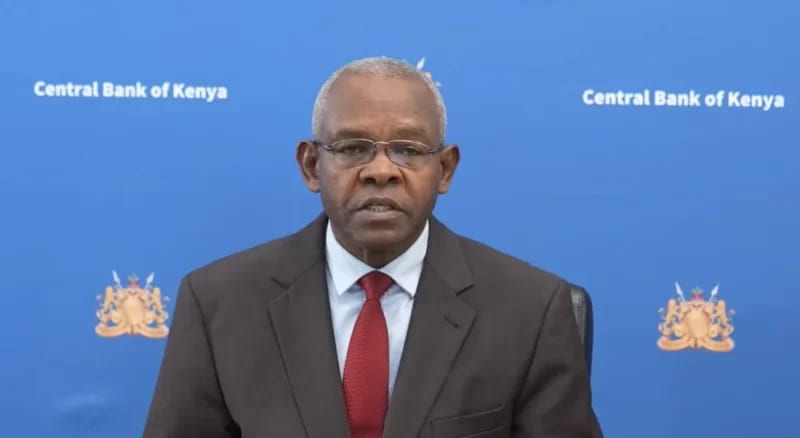
Central Bank of Kenya (CBK) Governor Kamau Thugge linked the decline to weaker remittance flows from the two key markets, although the latest figures indicate that inflows have begun recovering.
Speaking during the Monetary Policy Committee (MPC) meeting on Thursday, October 8, Thugge noted that the decline had moderated in recent months.
“The remittances have remained resilient, although from the twelve months to August 2026 we saw a decline of 1.3 per cent. In the last two months we have seen some recovery, and between January and August the decline was -0.7,” Thugge said.
The United States remains Kenya’s largest source of diaspora remittances, accounting for approximately 43.5 per cent of the total cash sent home by Kenyans living abroad.
Saudi Arabia is also a significant source of remittances, although inflows from the Gulf country have come under pressure amid changes to labour laws and policies affecting foreign workers, including Kenyans.
The decline in remittances from the US has occurred against the backdrop of increased immigration enforcement since President Donald Trump returned to office in January 2025. A number of Kenyans have been deported from the country in recent months.
While the deportations could potentially have affected remittance flows by reducing the number of Kenyans working and sending money home, the CBK has not directly linked the decline in US remittances to the deportations.
Despite the recent slowdown, Kenya’s diaspora remittance inflows are projected to increase over the coming years.
The figures are expected to rise from approximately USD5.037 billion (Ksh653.8 billion) in 2025 to USD5.073 billion (Ksh658.5 billion) in 2026, before reaching USD5.22 billion (Ksh677.4 billion) in 2027.
Thugge highlighted remittances as a key source of foreign exchange for Kenya, with diversified inflows helping to support the stability of the shilling amid continued uncertainty in global markets.
“Despite elevated global uncertainties, the Kenyan shilling has remained stable, supported by diversified foreign exchange inflows, confidence in the economy and adequate foreign exchange reserves,” he said.
The CBK Governor further noted that Kenya’s foreign exchange reserves had remained stable, providing adequate import cover and a buffer against short-term economic shocks.
The reserves have also helped cushion the economy against fluctuations in the currency market as global economic conditions remain uncertain.
