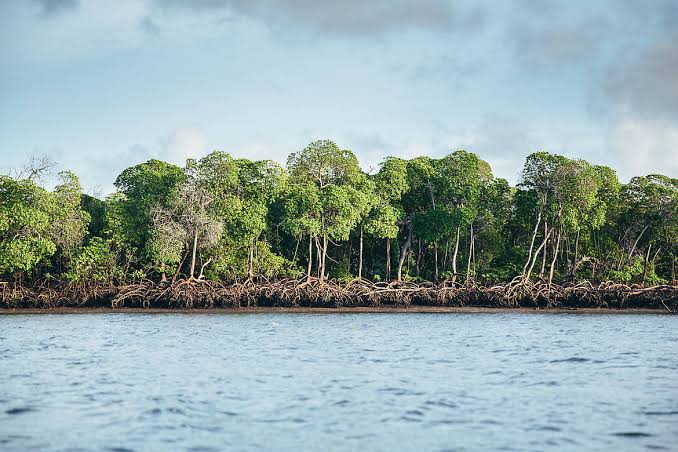
Mangrove restoration efforts in Kwale County are set to surpass 3.2 million trees by the end of the year following a new conservation initiative aimed at protecting Kenya's coastline while creating jobs for local communities.
The ambitious programme combines existing restoration work with fresh funding that will see an additional 1.563 million mangrove seedlings planted before the end of 2026, significantly expanding efforts to rehabilitate degraded coastal ecosystems.
According to figures released on Tuesday, July 21, 678,500 mangrove seedlings were planted between June and December 2025 across about 70 hectares in Kwale's Mwache Block. Independent monitoring conducted in May 2026 found that 624,503 of the seedlings had survived, representing an impressive 92 per cent survival rate.
Conservation teams also planted another one million mangrove seedlings between January and July this year, bringing the restoration programme to more than 1.67 million trees before the latest expansion.
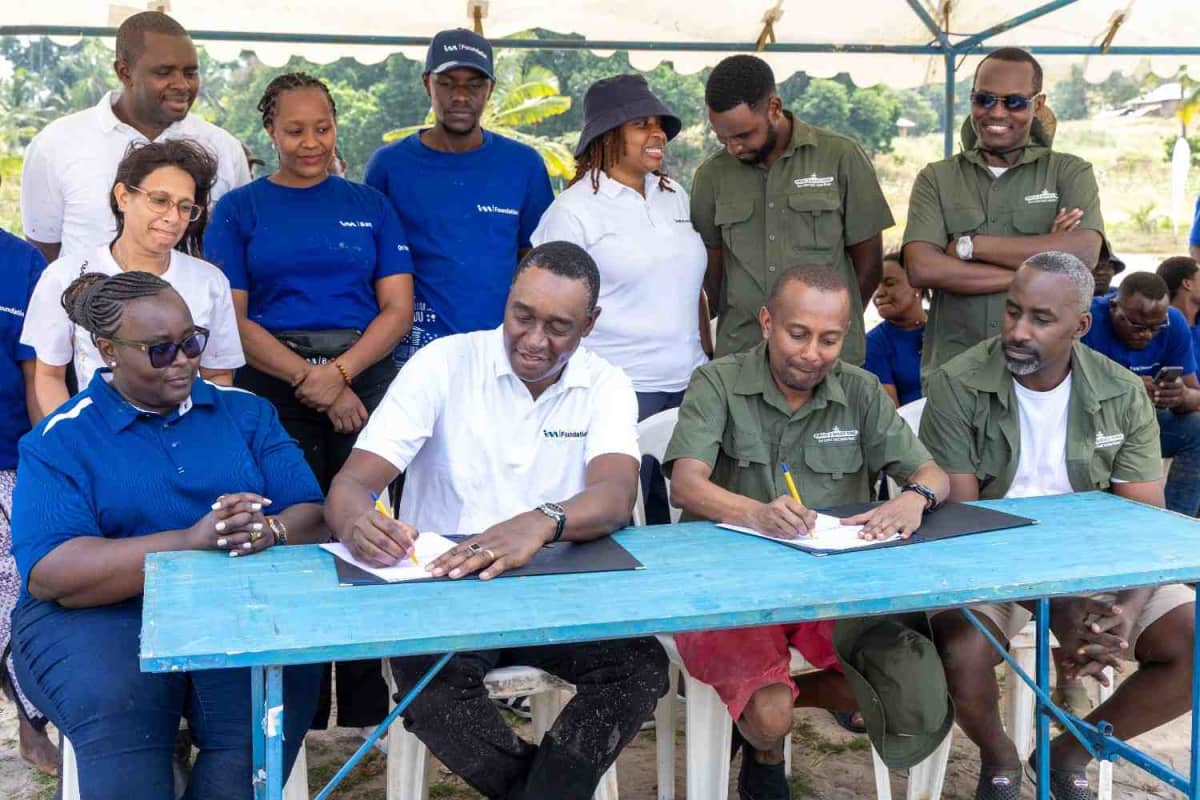
The additional 1.563 million mangroves will be supported through a partnership between I&M Foundation and Furaha & Baraka Farms (FBF), working alongside the Mwatsumbo Community Forest Association (CFA) and the Kenya Forest Service (KFS).
Speaking during the partnership signing, I&M Foundation Head Dorine Nalo said the initiative seeks to protect natural ecosystems while improving livelihoods for residents living along the coast.
"At I&M Foundation, we believe that lasting impact is achieved by investing in locally led solutions that address real community needs. We recognize the importance of protecting natural ecosystems while creating opportunities for communities to thrive."
She added that the project would strengthen climate resilience while creating sustainable economic opportunities for communities participating in the restoration programme.
Mangrove forests are among Kenya's most important coastal ecosystems, acting as natural barriers against erosion, supporting marine life and fisheries, while also absorbing large amounts of carbon that would otherwise contribute to climate change.
Furaha & Baraka Farms Founder and Executive Director Daniel Mwero said the programme demonstrates how environmental conservation can directly benefit local communities.
> "Healthy ecosystems and thriving communities go hand in hand. This partnership enables us to build on the progress already achieved by working alongside local communities and conservation partners to restore Kenya's coastal mangrove forests."
He added that the restoration model ensures communities benefit directly through employment, skills development and other livelihood opportunities generated by the conservation work.
The latest expansion positions the Kwale project among Kenya's largest community-led mangrove restoration programmes, with more than 3.2 million trees expected to be restored by the end of 2026 as conservation efforts gather pace along the country's coastline.