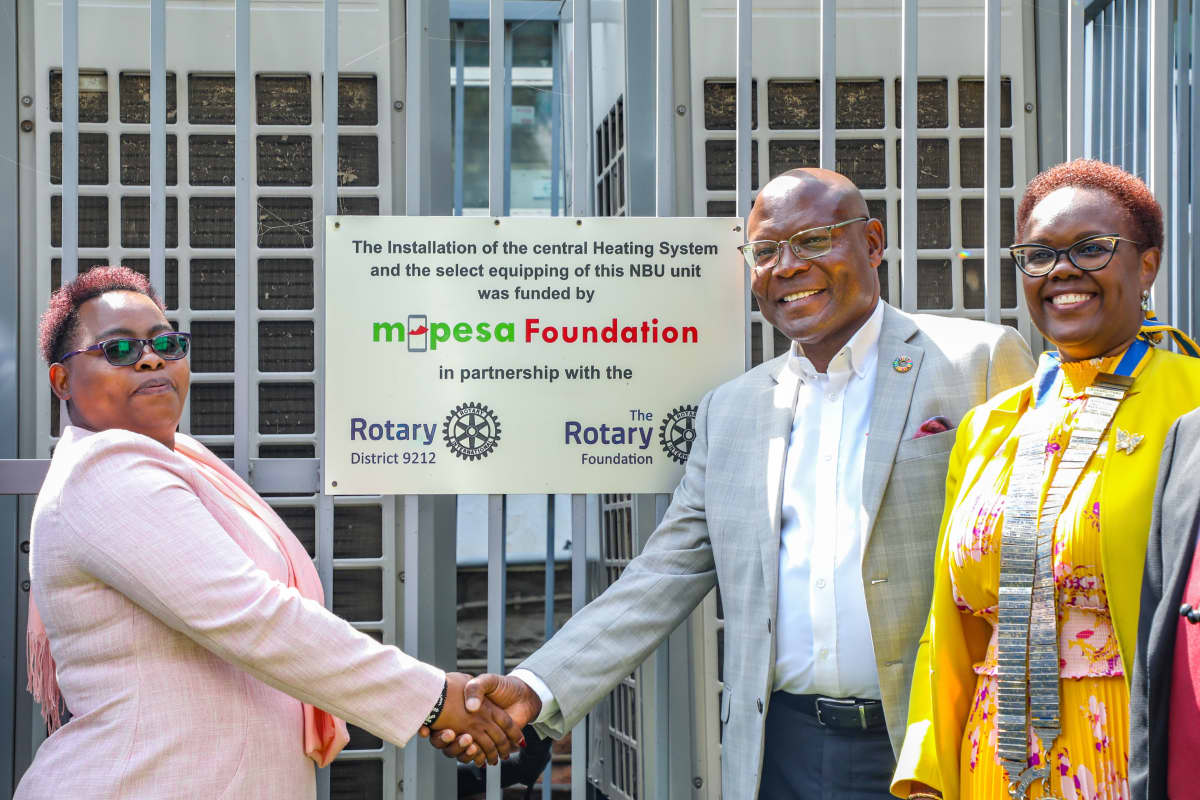
Pumwani Maternity Hospital has unveiled a modern newborn unit equipped with a central heating system and upgraded infrastructure, in a move aimed at tackling newborn deaths linked to hypothermia at Kenya's largest maternity facility.
The development comes as the hospital, which is celebrating its 100th anniversary this year, continues to handle one of the country's highest birth volumes, delivering between 80 and 90 babies every day.
Hospital administrators say the new facility is expected to significantly improve survival rates among newborns, particularly premature and vulnerable infants who struggle to maintain body temperature after birth.
Speaking during the launch, Pumwani Medical Superintendent Dr Chris Mugambi described hypothermia as "an invisible enemy" that has for years posed a major challenge to newborn care at the hospital.
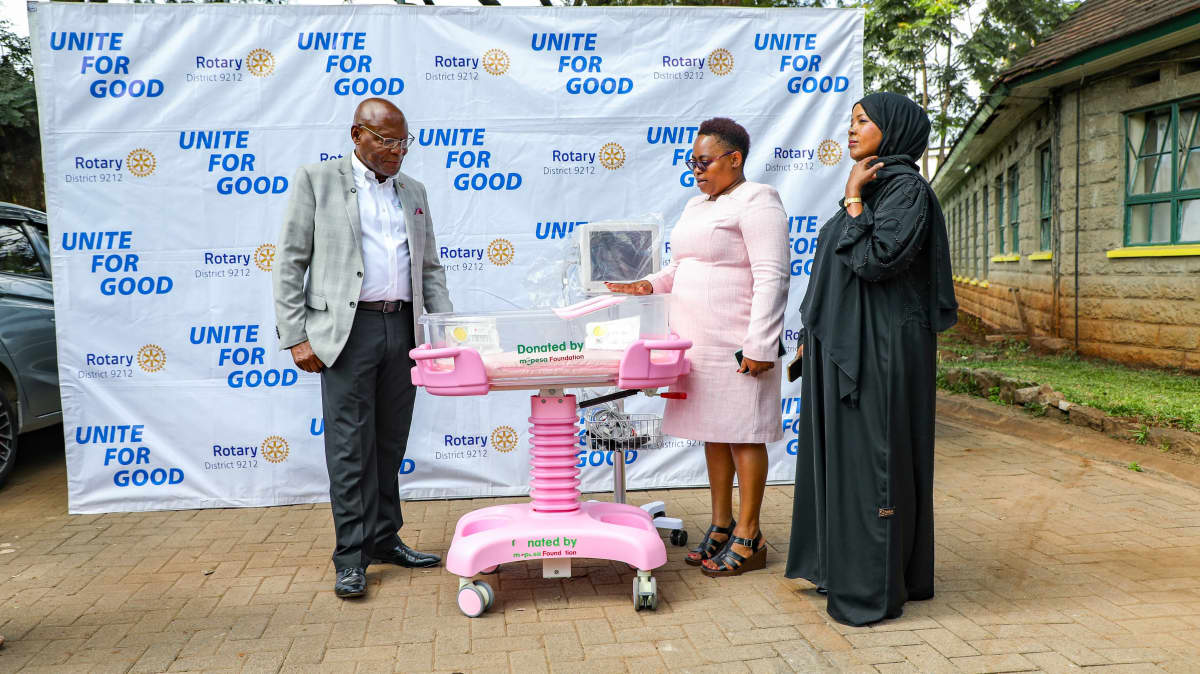
The condition, which occurs when newborns are unable to regulate their body temperature, remains one of the leading contributors to complications and deaths among infants, especially in overstretched public health facilities.
According to Dr Mugambi, the introduction of the central heating system has already yielded positive results.
"The central heating component has enabled us to achieve above 75 per cent improvement in thermal regulation outcomes, saving infant lives on the backdrop of stretched demand," he said.
The upgrade comes at a time when Kenya continues efforts to lower maternal and infant mortality rates, with public hospitals facing increasing pressure from rising patient numbers and limited resources.
Nairobi County Chief Officer for Medical Services Mariam Dahir noted that Pumwani plays a critical role in the country's healthcare system, accounting for a significant share of births nationally.
"This means we are responsible for approximately one in every ten maternal cases in Kenya," she said.
Given the hospital's workload, health officials believe improvements at the facility could have a far-reaching impact on maternal and newborn health outcomes across the country.
The project was funded through a KSh13 million investment by the M-Pesa Foundation, which financed the installation of the central heating system in the newborn unit.
Safaricom Foundation Chairman Joseph Ogutu said the intervention falls under the Uzazi Salama programme, which seeks to reduce maternal and infant deaths in line with the World Health Organization's Every Woman, Every Newborn, Everywhere (EWENE) action plan.
"We are absolutely delighted at the impact of this partnership with the Nairobi County Government and Pumwani Maternity Hospital, enabling us to improve the health and well-being of women and children in our country by ending preventable deaths as we journey towards the realisation of the Sustainable Development Goals," Ogutu said.
Dahir welcomed the support, saying partnerships with private sector organisations are helping strengthen healthcare systems and improve outcomes for mothers and newborns.
"As a county, we receive this with great gratitude and we look forward to continued partnership, and where possible, cascading similar support to other facilities within the city," she added.
The launch highlights growing efforts to modernise public maternity services amid concerns over neonatal deaths and the increasing demand for specialised newborn care in Kenya's health facilities.