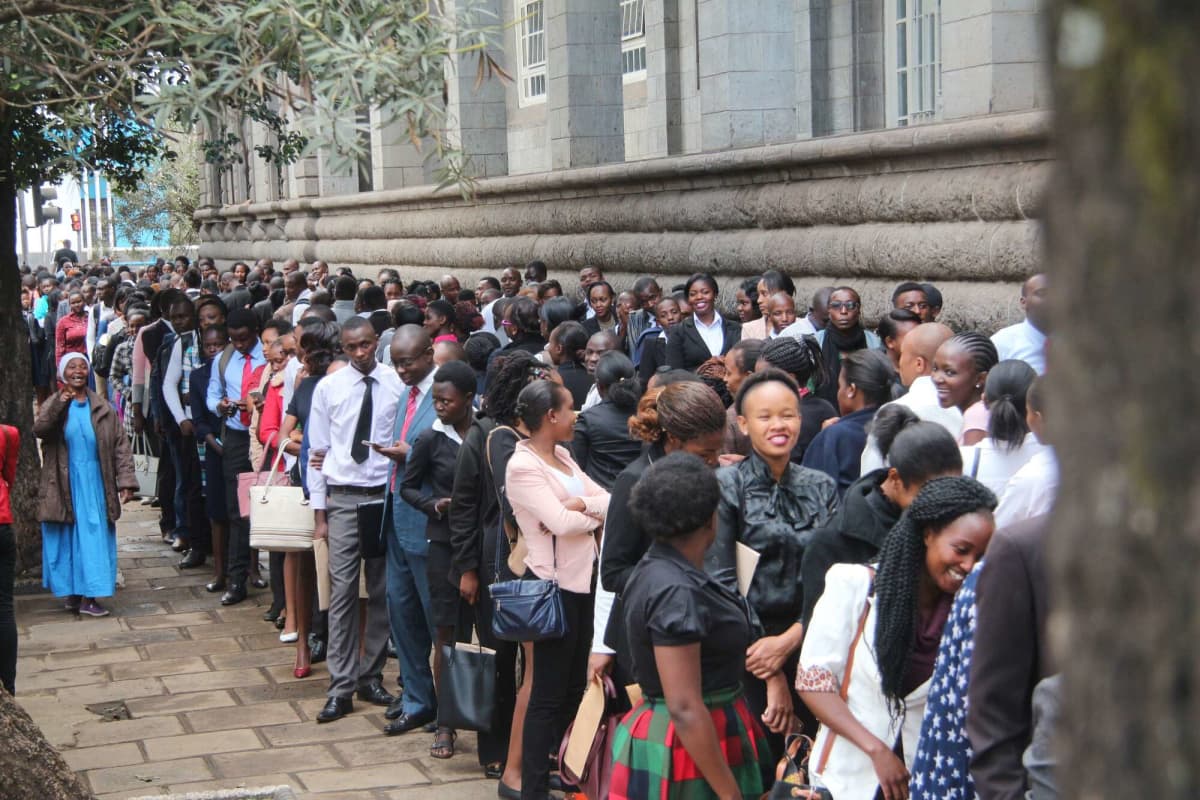
The Kenyan government has increased its proposed Pay As You Earn (PAYE) income tax exemption threshold from Ksh30,000 to Ksh32,333 per month, a move expected to ease the tax burden on low-income earners.
President William Ruto announced the revised proposal on Tuesday, October 20, explaining that the government plans to reduce income tax deductions for workers, especially those earning modest salaries.
“We have prepared a proposal to exempt Kenyans earning Ksh32,333 per month or less from paying PAYE income tax. For workers on modest income, every shilling saved means more money for food, transport and school expenses,” he said.
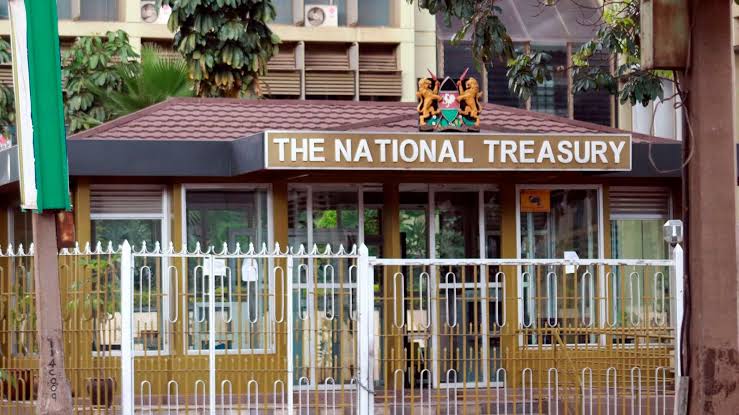
Speaking during the 63rd Mashujaa Day celebrations at Kipchoge Keino Stadium in Uasin Gishu County, Ruto revealed that he had instructed the National Treasury to submit the proposals to Parliament next week for consideration.
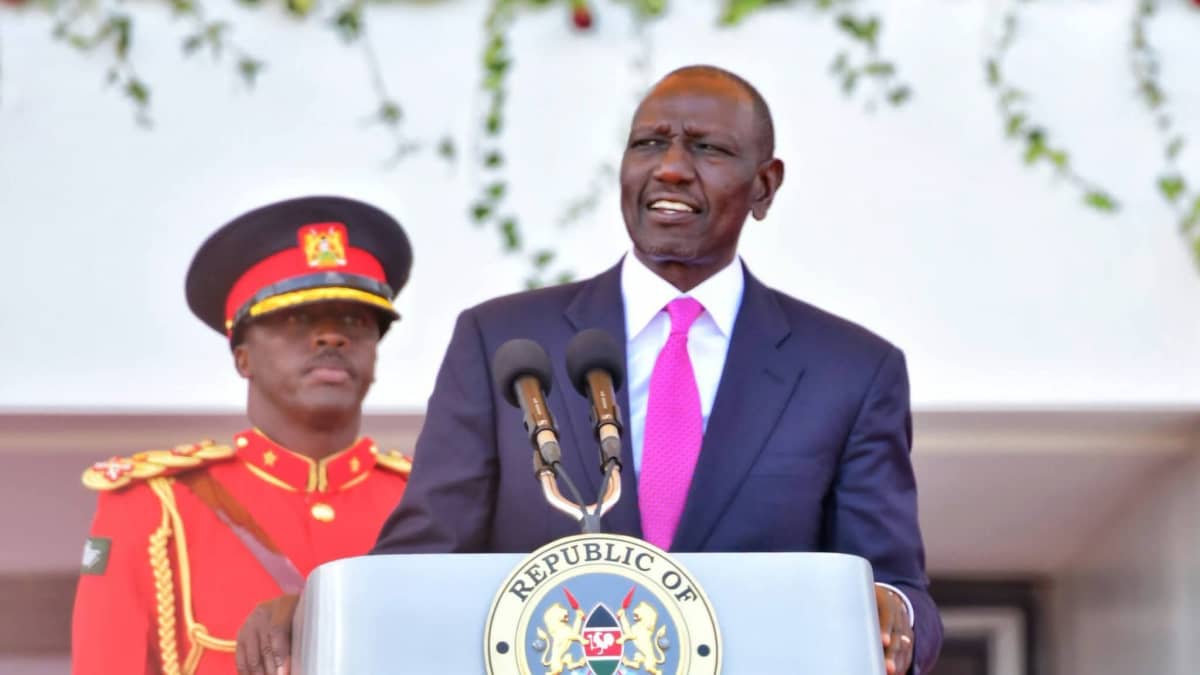
“I have directed the National Treasury to place these proposals before Parliament next week,” he added.
The Head of State noted that the proposed tax changes would undergo the necessary legislative and fiscal procedures before implementation to ensure they are sustainable and transparent.
“These measures address the barriers that Kenyans confront today. The necessary legislative and fiscal processes will follow, with attention to sustainable financing, transparency and effective implementation,” he stated.
The revised threshold marks a departure from the government's initial proposal announced in May, which sought to exempt employees earning Ksh30,000 or less per month from paying PAYE.
Under the existing tax structure, employees pay 10 per cent on the first Ksh24,000 earned monthly, while income exceeding that amount up to Ksh32,333 attracts a 25 per cent tax rate. Higher earnings fall under progressively higher tax brackets.
Workers earning above Ksh32,333 but not more than Ksh500,000 per month are subject to a 30 per cent tax rate, while those earning more than Ksh500,000 are taxed at 32.5 per cent.
However, employees benefit from a monthly personal relief of Ksh2,400, which offsets the PAYE payable by workers earning up to Ksh24,000. As a result, these employees generally pay no income tax after the relief is deducted.
The proposed exemption has not yet taken effect. It must first undergo the required legislative procedures before the National Treasury can implement any changes to the current PAYE framework.