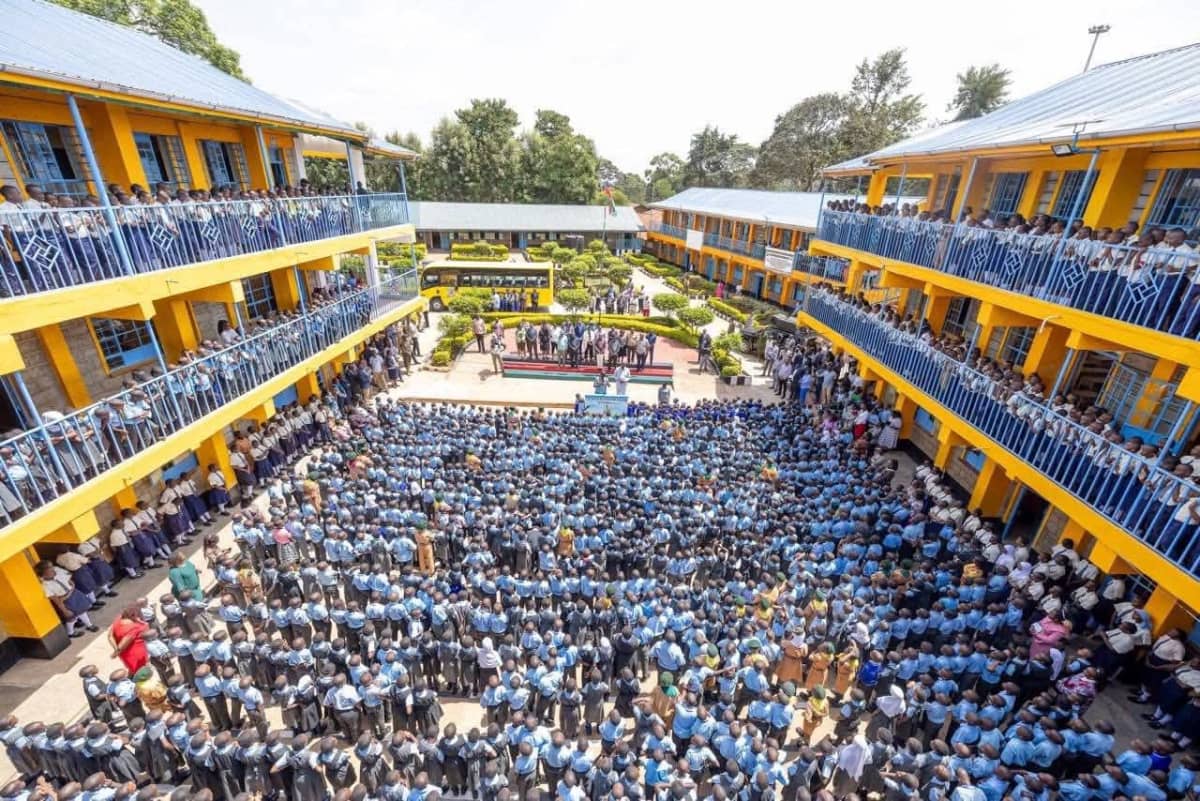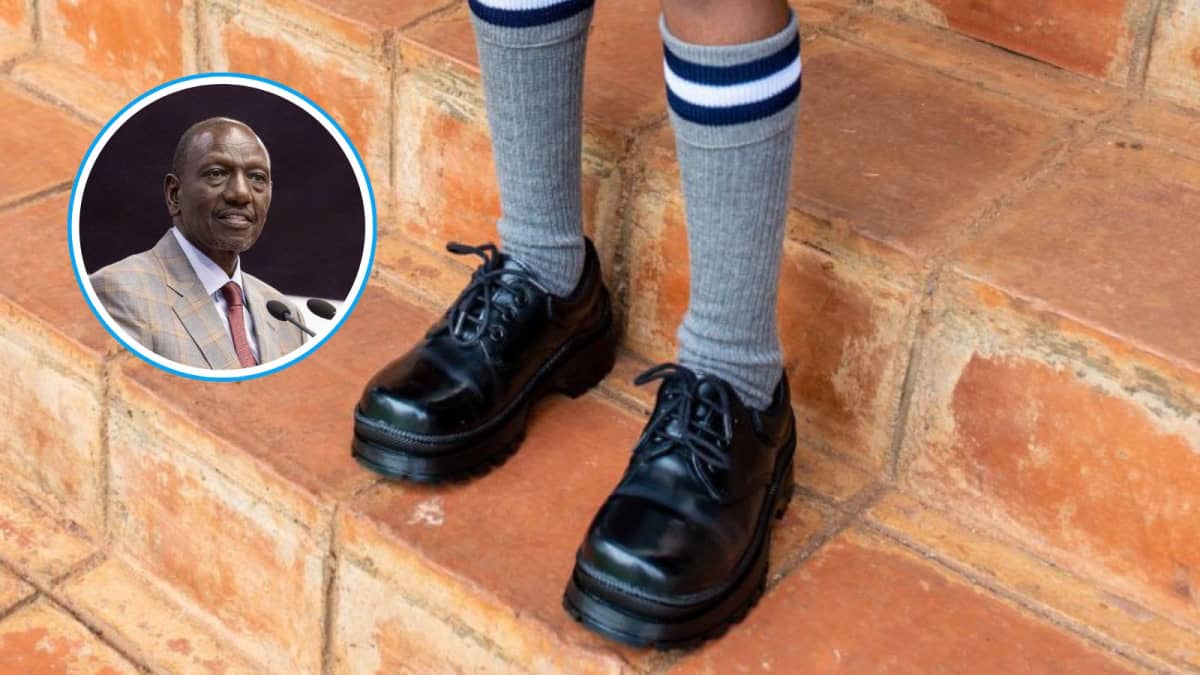
President William Ruto has announced plans to have local manufacturers produce leather shoes for all 14 million school-going children in Kenya, in a move aimed at creating a ready market for locally manufactured footwear.
Speaking during the Innovation Summit at the Kenyatta International Convention Centre (KICC) on Wednesday, November 4, Ruto challenged local shoe manufacturers to increase their production capacity to meet the demand from schools across the country.
“We will now move a step further. We want you to manufacture all the shoes for our school-going children, and we have 14 million of them,” President Ruto stated.
The President made the announcement while outlining his administration's efforts to expand Kenya's leather industry, promote local manufacturing and create employment opportunities for young people.
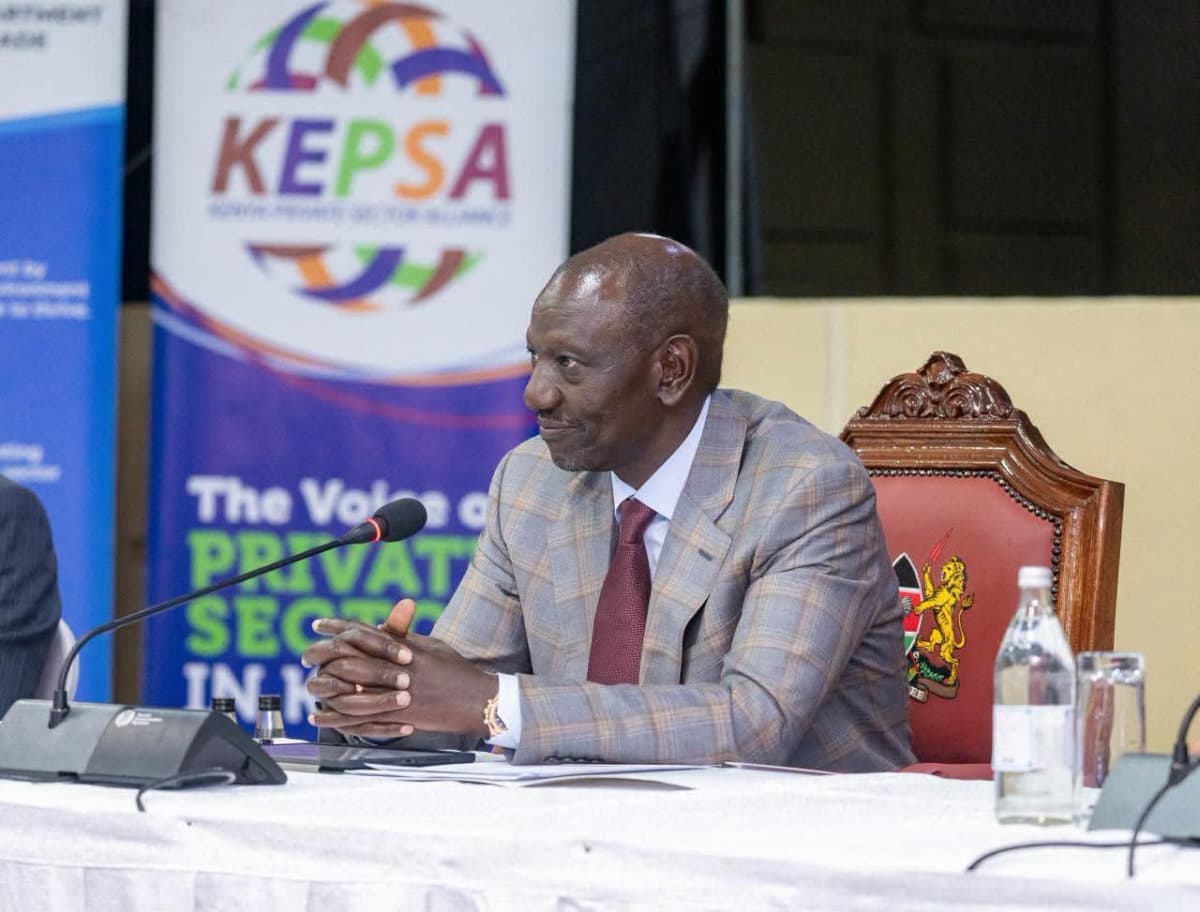
Ruto explained that the government intends to decentralise manufacturing activities to ensure that industrial opportunities are spread across the country instead of being concentrated in Nairobi.
As part of the initiative, a Ksh5.8 billion investment is supporting the development of the Kenya Leather Industrial Park in Kenani, Machakos County. The facility, unveiled by Deputy President Kithure Kindiki on September 2, is expected to provide modern infrastructure for leather processing and manufacturing.
Ruto said the broader plan is to decentralise the entire manufacturing ecosystem, allowing every county to benefit from industrial development and the employment opportunities it creates.
The latest directive builds on an earlier government decision targeting the footwear market for security agencies. In June, Ruto directed security agencies to procure locally manufactured boots, signalling a shift away from imported footwear.
By October, the President announced during a town hall meeting at Jamhuri Park that boots used by the military and police were being manufactured locally, adding that imports would no longer be allowed.
He now wants the education sector to provide a similar market for Kenyan manufacturers, with the country's 14 million learners representing a significant opportunity for the local footwear industry.
Kenya's livestock population is among the largest globally, giving the country access to a substantial supply of raw materials for leather production.
The country ranks 11th worldwide in livestock herd size, with approximately 80 million animals, and has Africa's third-largest livestock population, according to the World Bank and the Kenya Leather Development Council.
However, the country's large livestock base has yet to translate into equally strong performance in the leather trade. Kenya ranks 87th among 208 countries in leather apparel exports, with exports valued at approximately Ksh68 million (USD527,000).
On the import side, the country ranks 101st among 223 importing countries, spending approximately Ksh285 million (USD2.2 million) on leather apparel.
The figures highlight the gap between Kenya's livestock resources and its performance in value addition and leather manufacturing.
Ruto's latest proposal seeks to bridge that gap by creating a guaranteed domestic market for locally manufactured shoes while encouraging investment in processing, production and distribution.