
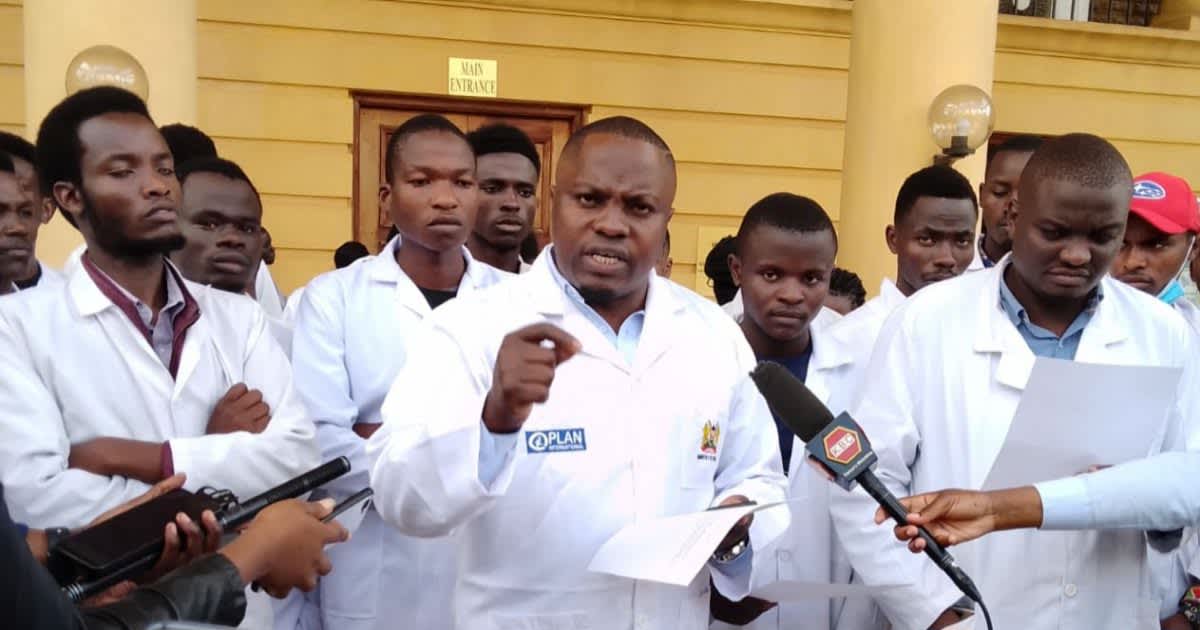
A group of university student leaders and public health students has given the government 48 hours to resolve the ongoing public health workers’ strike, warning that nationwide demonstrations will begin on Wednesday, October 21, if their demands are not addressed.
Speaking at Kenyatta University, leaders from the Kenya Environmental Health and Public Health Practitioners Union (KEPHUPU) cautioned that the prolonged industrial action, which had entered its 90th day as of October 19, could have far-reaching consequences for the country.
“We are issuing a 48-hour notice to the government: you either end the strike, or we mobilise nationwide for demonstration this coming Wednesday,” stated one of the leaders.
The group warned that the continued strike could weaken Kenya’s efforts to contain the spread of the deadly Ebola virus, amid heightened concerns over the country’s public health preparedness.
They urged President William Ruto to intervene urgently and find a lasting solution to the dispute, which has disrupted healthcare services across the country for three months.
The leaders also called on Parliament to exercise its oversight mandate by investigating the challenges facing the health sector and establishing why public health services continue to receive inadequate attention and resources.
“We are calling for Mr. President to intervene. For Parliament, do your work of oversight. We want you to oversee this allocation of the amount. Why was the public health left behind?” added another leader.
The strike stems from several unresolved grievances, including demands for permanent and pensionable employment for public health workers currently serving under short-term Universal Health Coverage (UHC) and Global Fund contracts.
The union is also protesting what it considers inadequate risk allowances for public health officers, who reportedly receive between Ksh2,000 and Ksh3,000 monthly, despite working in hazardous conditions. The union has questioned why their allowances remain lower than those paid to nurses and doctors.
Kenya has approximately 4,200 public health officers serving a population of nearly 50 million people, raising concerns about understaffing, impending retirements and insufficient recruitment to bolster disease surveillance and prevention efforts.
The union has further accused the national and county governments of failing to honour signed collective bargaining agreements, provide comprehensive medical insurance and allocate sufficient funding to preventive healthcare services.
These unresolved issues have prolonged the industrial dispute, leaving public health workers demanding urgent action from the relevant authorities.
In a bid to address recurring strikes in the health sector, President William Ruto previously proposed the establishment of dedicated committees to negotiate collective bargaining agreements with health workers and resolve labour disputes before they escalate into disruptive industrial action.
Speaking during the Kenya Health Summit town hall on August 19, the President urged unions to put the welfare of Kenyans first rather than prioritising political or organisational interests. He also called for reasonable engagement between the government and healthcare workers to prevent service disruptions.
Additionally, Ruto directed government officials to clear outstanding salary arrears owed to health workers within a week. He also called for improved coordination between the national government and county administrations to address delays in salary payments and other outstanding obligations.
