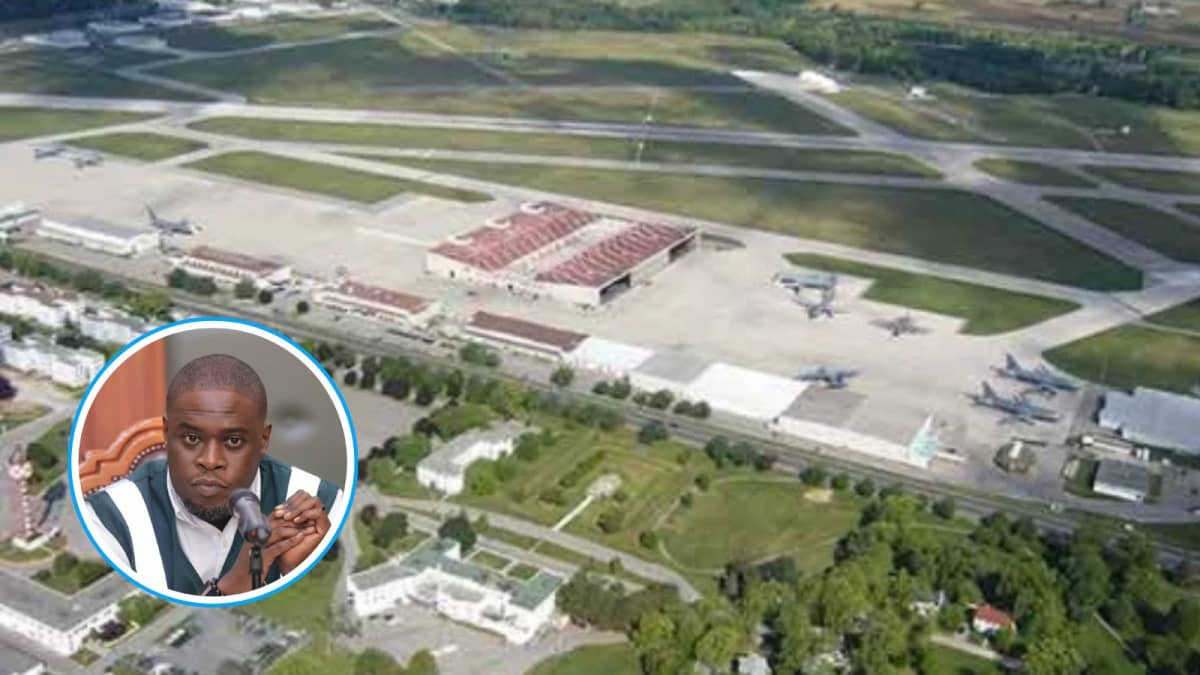
Nairobi Governor Johnson Sakaja has called for the relocation of Eastleigh Airbase, warning that rapid urbanisation around the military installation could put thousands of civilians at risk in the event of an attack.
Speaking before the Roads and Construction Committee on Tuesday, October 13, Sakaja argued that the airbase was established when the surrounding neighbourhood had fewer residents, but years of urban growth had brought homes and businesses closer to the military facility.
“On the Eastleigh Airbase, if you ask me, it needs to be relocated, because when it was set up, we didn't have the kind of human settlement around it,” Sakaja stated.
The governor maintained that the growing population around the base had created a security challenge that the government needed to address, particularly given the potential consequences of an attack targeting military infrastructure.
“With the high population around the military base, in the event of an attack, it means that the people surrounding the base could be used as a military shield,” he added.
Sakaja explained that military installations were among the strategic facilities an adversary could target during a conflict, alongside communication infrastructure and the country's seat of power.
Although he acknowledged that the proposal might face resistance from the military, the governor argued that the changing settlement patterns around Eastleigh warranted a fresh assessment of the base's location.
Key Facts About Eastleigh Airbase
Eastleigh Airbase, also known as Moi Air Base, is a Kenya Air Force installation located in Nairobi's Eastleigh area. It is an important military aviation facility supporting the operations of the Kenya Defence Forces (KDF).
Unlike civilian airports such as Jomo Kenyatta International Airport (JKIA), the airbase serves military purposes, including supporting air force operations, personnel, and defence-related activities. Its location within a rapidly expanding urban area has made the relationship between military operations, building regulations and neighbouring residential communities an important public safety consideration.
The surrounding Eastleigh neighbourhood is densely populated, with residential buildings, commercial establishments and busy transport routes. Continued development has increased the need to manage construction near the installation, particularly where building heights could interfere with military aviation operations or breach established restrictions.
Sakaja's proposal, however, was presented as a call for the government to reconsider the base's location, rather than an announcement that a relocation decision had been made.
Ruto's Previous Directives on Eastleigh Airbase
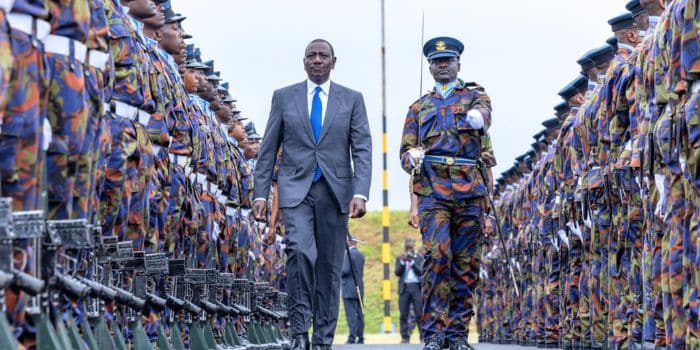
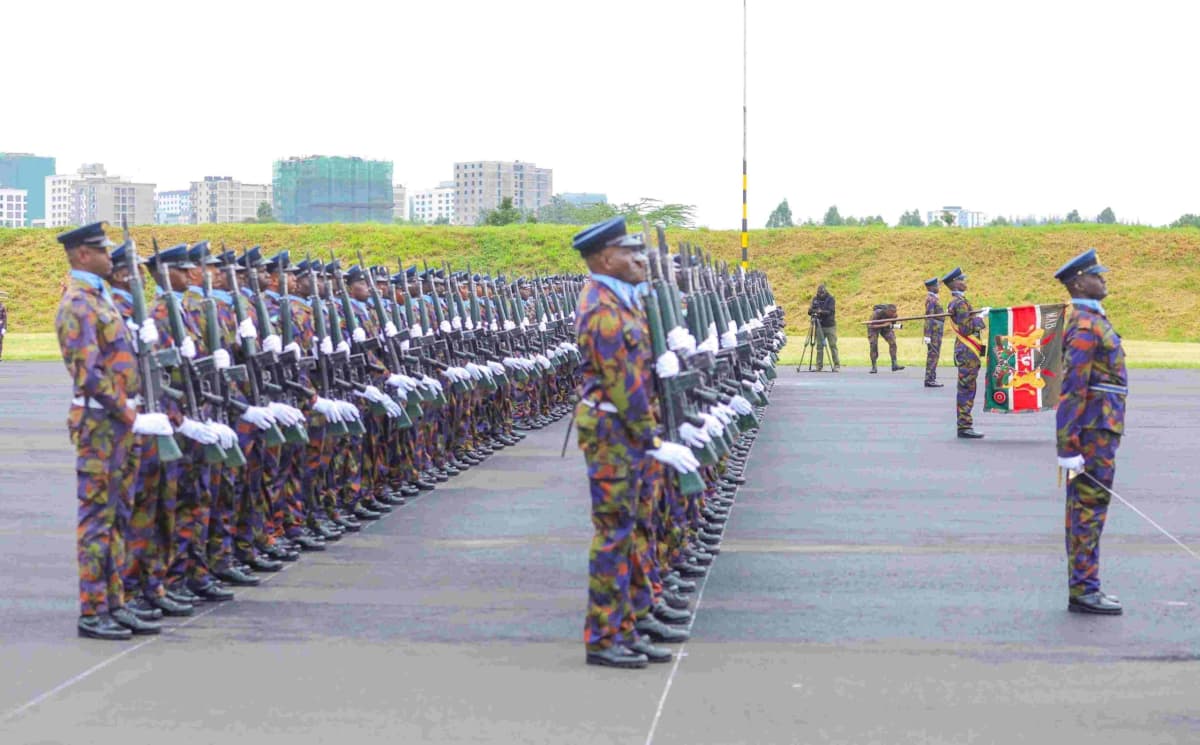
The proposal comes after President William Ruto addressed concerns about developments near Moi Air Base during celebrations marking the Kenya Air Force's 60th anniversary on June 8, 2024.
During the event, the President directed developers constructing buildings near the military installation to comply with height restrictions intended to protect the base and ensure safe operations.
The directive highlighted the government's concern about balancing Nairobi's expanding construction sector with the operational requirements of military facilities situated within established urban neighbourhoods.
Ruto's administration has also pursued housing projects for military personnel as part of efforts to improve accommodation for members of the defence forces. The first phase of the military housing programme included 3,069 units across Roysambu, Kwambuzi, Lanet, Gilgil and Mariakani, with plans for more than 10,000 additional housing units nationwide.
Separately, the President directed the military to surrender 70 acres of land in Nairobi for an affordable housing project intended to provide alternative accommodation for residents of the congested Kiambiu informal settlement.
While those initiatives address housing needs and land use, Sakaja's latest remarks raise a separate question about whether Eastleigh Airbase can continue operating safely in its current location as Nairobi expands.
No relocation decision was announced in the governor's remarks. Any move would require consideration of the military's operational requirements, suitable alternative land, infrastructure costs, and the implications for residents and businesses around the existing installation.