
Nairobi liquor traders are raising concerns over a new Ksh100,000 licence for online alcohol sales, warning that the additional cost could strain businesses already paying county licensing fees and meeting daily operating expenses.
Vantage Ke has learnt that the dispute centres on provisions in the Nairobi City County Finance Act, 2026, and how the new licence will apply to retailers selling alcoholic drinks through websites, online marketplaces and delivery platforms.
The Retail Trade Association of Kenya (RETRAK) confirmed earlier in October that it had approached the county’s Liquor Licensing Board seeking clarification on the requirements.
The association said the board described the licence as an entry threshold for the online liquor market, but warned that applying the charge separately to different sales and delivery channels could significantly increase compliance costs for businesses.
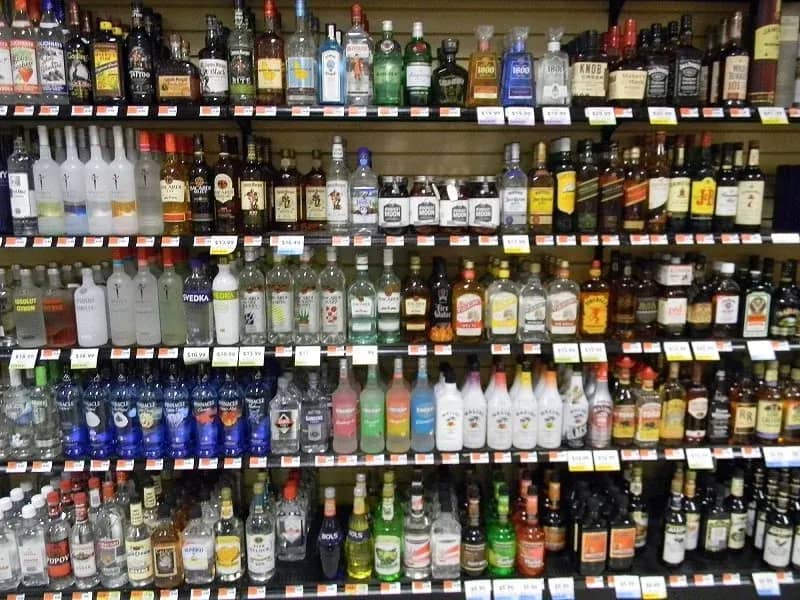
Traders Fear Rising Costs
For liquor businesses, the central concern is whether the Ksh100,000 charge applies once per business or separately to every online platform through which customers place orders. A retailer operating a physical shop while taking orders through its website and several delivery applications could face a substantially higher bill if each channel requires a separate licence.
RETRAK has called for clarity on the unit of licensing, the geographical scope of the charge and the respective responsibilities of retailers, online marketplaces, fulfilment operators and delivery providers.
The uncertainty could complicate financial planning for businesses that depend on digital platforms to reach customers and expand sales beyond their physical premises.
Traders already contend with rent, employee salaries, stock purchases, utilities and existing licensing expenses. They argue that an additional six-figure charge could squeeze profit margins, particularly for small and medium-sized enterprises.
Some fear that higher compliance costs could discourage businesses from adopting online sales or force them to reconsider the platforms they use.
However, the scale of the financial impact will depend on how the county ultimately interprets and implements the licensing requirement.
Questions Over Double Taxation
The controversy has also revived concerns about whether businesses are facing overlapping charges for operating through different sales channels.
Traders want Governor Johnson Sakaja’s administration to explain why the additional licence is necessary for businesses that already hold applicable county permits.
They are also seeking a clear breakdown of what the fee covers and whether businesses will be charged repeatedly when using multiple platforms.
While county governments have a mandate to regulate liquor businesses and collect lawful revenue, traders argue that the rules should be transparent, predictable and proportionate.
The dispute comes months after Nairobi introduced LiquorPay, a digital system intended to simplify liquor licence applications and payments, reduce paperwork and improve transparency.
Enforcement Concerns
As Vantage Ke further observed, traders have also raised concerns about alleged enforcement operations against businesses that fail to comply with the reported requirement. This included claims of county enforcement officers, commonly known as Kanjo, conducting raids, confiscating stock and arresting employees, all of which this publication was unable to independently verify.
The county government, which had yet to respond to the traders' complaints by the time of going to press, was urged to clarify the legal procedures governing enforcement, including the grounds for any seizures or arrests and how affected businesses can challenge disputed charges.
As of October 29, the key outstanding issue is how the new licence will be applied in practice. RETRAK said the Liquor Licensing Board had committed to updating the licence terms and conditions and engaging stakeholders to develop a clearer framework.
Traders now want the county to provide definitive guidance on the fee structure before uncertainty over compliance costs undermines their ability to operate and grow.
The outcome of the consultations could determine whether online liquor sales remain a viable expansion route for Nairobi retailers or become a more expensive undertaking.
