United States freelance journalist Margot Kiser, who was investigating the Shakahola killings, has filed a lawsuit against the Ministry of Interior and the Directorate of Immigration over her alleged deportation from Kenya and subsequent classification as a prohibited immigrant.
In a statement obtained by Vantage Ke, the International Press Association of East Africa (IPAEA) expressed concern over the journalist's removal from the country and called on the Kenyan government to explain the circumstances surrounding the incident.
IPAEA said Kiser reported being forcibly taken from her home in Mombasa on October 10, 2025, by officers from the Directorate of Criminal Investigations (DCI), accompanied by armed police officers.
The officers allegedly confiscated her phones, laptops and other electronic equipment before transporting her to Nairobi and putting her on a flight to New York.
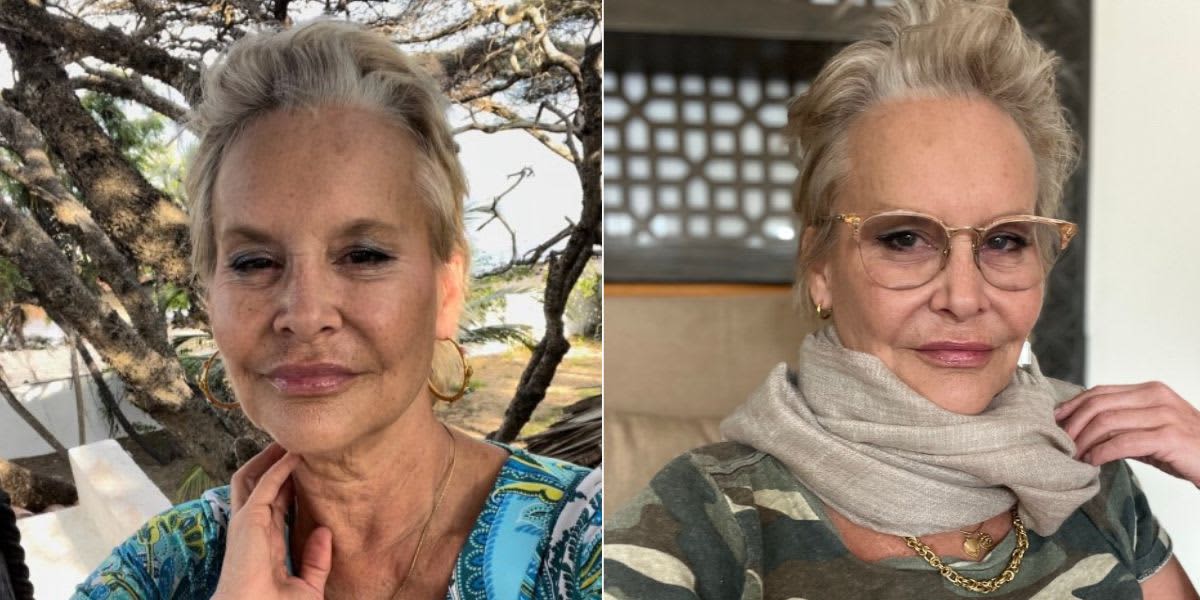
However, Kiser reportedly got off the plane in Dubai, where she remained instead of continuing her journey to the United States.
“They seized my phones, laptops and other devices, denied me access to a lawyer or even my son, flew me to Nairobi and put me on an Emirates flight bound for New York. I got off in Dubai and stayed there,” Kiser said.
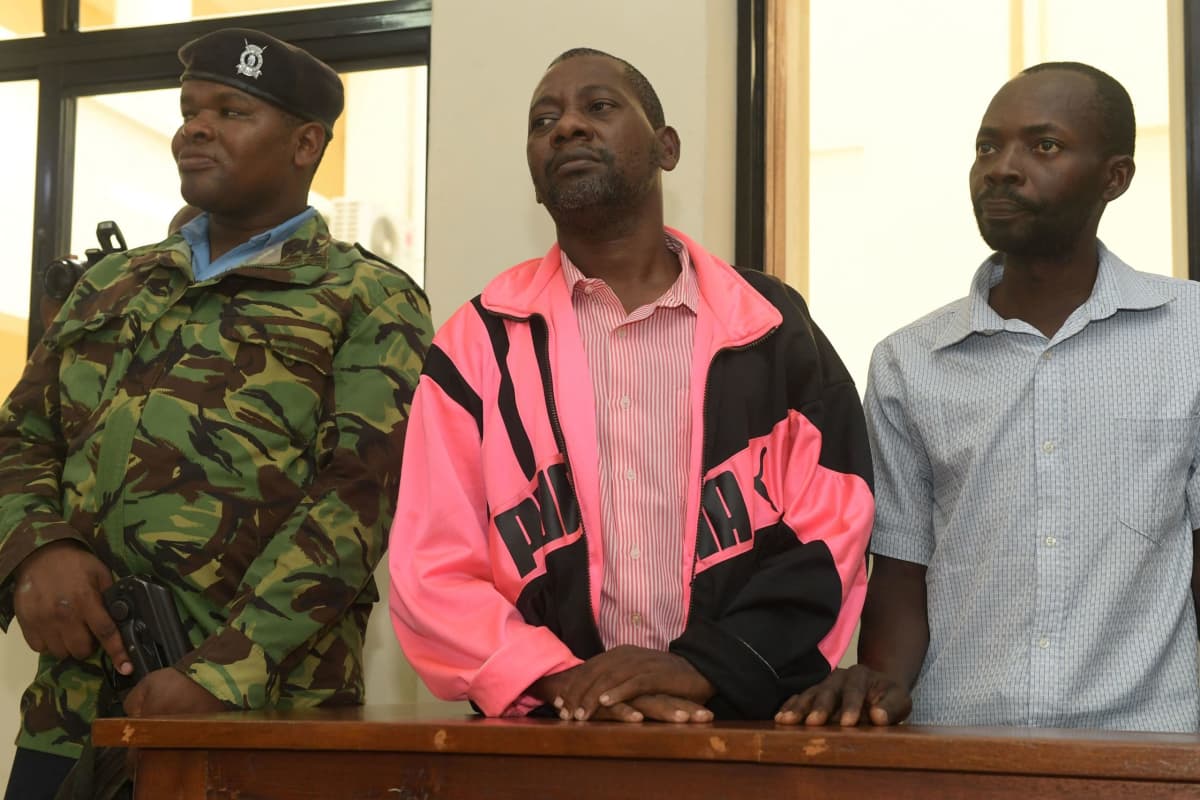
According to the association, Kiser had been investigating the Shakahola killings, which have been linked to controversial preacher Paul Mackenzie.
The journalist had also reportedly raised concerns with the Department of Children's Services over allegations that young children, including Mackenzie's own children, were being subjected to fasting.
The Kenyan government reportedly justified its action by arguing that Kiser's activities threatened the country's moral fabric and national security.
However, the journalist maintains that the government has not presented evidence to substantiate the allegations against her. This has raised questions about whether her reporting on the Shakahola case may have played a role in her deportation.
Following her removal from Kenya, Kiser applied for and was granted a Class K residency permit, according to IPAEA.
She subsequently attempted to return to the country on March 8, 2026, but immigration officials denied her entry. She later discovered that she had been designated a prohibited immigrant despite having obtained the permit.
Kiser contends that her deportation and the subsequent refusal to allow her back into Kenya, despite being granted residency permission, were unlawful.
She has consequently taken legal action against the Ministry of Interior and the Directorate of Immigration, accusing the authorities of violating her constitutional rights.
"Kiser has now sued the Ministry of Interior and the Directorate of Immigration over alleged violations of her constitutional rights," IPAEA said in the statement.
The association has also called on the government to provide a detailed explanation of the events leading to Kiser's deportation.
Additionally, IPAEA urged the authorities to protect journalists and ensure they can carry out their professional duties safely and without undue interference.
The lawsuit comes a day after the Mombasa High Court found Mackenzie and 29 other co-accused guilty on all 191 murder charges against them. The court scheduled sentencing for November 6, 2026.