Sudan’s devastating war has pushed the country’s healthcare system deeper into crisis, with more than 900 attacks on health facilities and healthcare workers recorded in the first eight months of 2026, according to the World Health Organization (WHO).
The Star on Wednesday, August 19 reported that the attacks, which have continued amid the conflict between Sudan’s army and the Sudan Founding Alliance, commonly known as Tasis, have killed at least 900 people and injured more than 1,400 others.
The WHO said approximately 37 per cent of Sudan’s health facilities were no longer able to provide services in 2026, leaving millions of people struggling to access essential medical care.
Altaf Musani, Director of the WHO Department of Humanitarian Affairs and Disaster Management, said attacks on healthcare infrastructure and personnel had inflicted severe damage on Sudan’s already fragile health system.

The scale of the humanitarian emergency has continued to grow nearly three years after fighting erupted in April 2023.
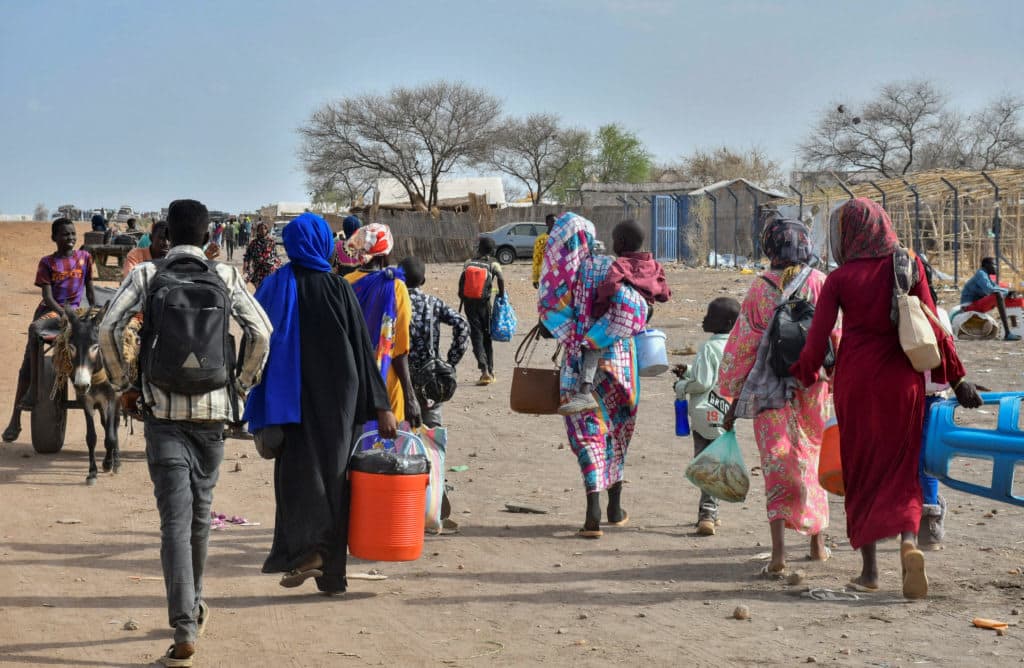
The WHO has described Sudan as facing the world’s largest humanitarian crisis, with about 34 million people requiring humanitarian assistance and 21 million facing inadequate access to health services.
Airstrikes raise fresh concerns
The worsening humanitarian situation has been accompanied by allegations of increasingly destructive attacks on civilian areas.
According to The Star, local reports have alleged that airstrikes recently targeted towns and villages in North Kordofan, with claims that Iranian-made vacuum bombs and explosive barrels were used.
The Sudan Founding Alliance accused the army of carrying out attacks on July 19 against civilians in Umm Qarfah and the villages of Al-Hariz Al-Hamadab, Wad Musa, Al-Markhah and Umm Taqirat.
“In a new crime added to its long record of targeting civilians and civilian infrastructure, the army of the terrorist Muslim Brotherhood group today committed a series of war crimes,” Tasis said.
The group alleged that the strikes killed at least 12 civilians, including children and elderly people, while 18 others were injured.
It further claimed that water sources and livestock were deliberately targeted, arguing that the use of weapons with a wide destructive impact in populated areas amounted to a war crime. Vantage Ke could not independently verify the allegations.
The Al Jazeera Observatory for Human Rights also reported airstrikes in several parts of North Kordofan, saying civilians, including women and children, were among those affected.
The organisation called for an “independent and urgent investigation” into the attacks and urged authorities to establish who was responsible.
Explosive barrels under scrutiny
Explosive barrels have become a particularly controversial feature of the Sudanese conflict.
Amnesty International has described them as crude, unguided munitions that can be dropped from aircraft, making it difficult to control where they land. Their use in densely populated areas, the organisation has warned, can result in indiscriminate attacks and potentially constitute a war crime where civilian and military targets are not distinguished.
The United States had previously raised concerns over the use of explosive barrels in Sudan, including following a September 2023 airstrike in southern Khartoum that reportedly killed at least 43 people.
Washington has also imposed sanctions on Sudan’s army and its commander, Abdel Fattah al-Burhan, over alleged chemical weapons use.
With healthcare facilities collapsing, civilian casualties mounting and allegations of increasingly destructive weapons emerging, Sudan’s war continues to exact a devastating toll on a population already facing one of the world’s most severe humanitarian emergencies.