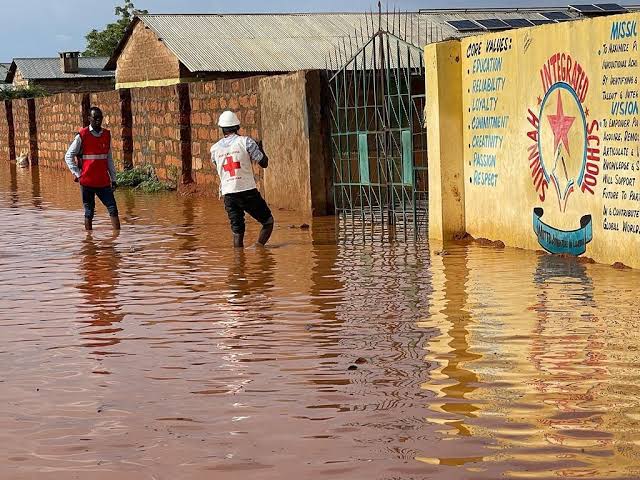
The government has announced plans to evacuate Kenyans living in areas considered vulnerable to flooding and other hazards ahead of the anticipated El Niño rains.
In a statement issued on Tuesday, September 1, the Ministry of Interior and National Security urged residents in high-risk areas to prepare for possible evacuation and relocate to safer locations when directed to do so.
The Ministry said the evacuation plan is among seven measures the government has implemented to enhance preparedness for the October-December (OND) rainfall season, which is forecast to bring above-average rainfall to most parts of the country.

Authorities have begun preparations to evacuate people living on riparian land and in other areas exposed to flooding, landslides and related risks.
The government has also identified temporary holding grounds where people displaced by floods and other emergencies will be accommodated.
"Awareness of the evacuation of people living on riparian land and in other high-risk areas is on track, with temporary holding grounds identified to accommodate populations that may be displaced by flooding and other emergencies," the Ministry said.
"We urge those living along river banks, riparian reserves, low-lying areas, areas prone to flash floods and landslides, and other identified high-risk locations to heed evacuation advisories and move to safer ground when directed to do so."
The Ministry has further mapped locations considered particularly vulnerable to flooding and the effects of heavy rainfall to support evacuation planning, emergency response and other preparedness measures.
The areas identified for priority attention include riverine and low-lying regions, coastal areas, highland zones prone to landslides, arid and semi-arid areas, northern Kenya and urban centres that are susceptible to flooding.
As part of efforts to minimise the impact of the rains, authorities are also clearing and desilting drainage systems, culverts and other water channels to enhance water flow and reduce the likelihood of urban flooding.
Government agencies are simultaneously inspecting bridges, roads and other critical infrastructure in areas prone to flooding. The inspections are aimed at identifying weaknesses and implementing preventive measures before the rains become more intense.
However, the Ministry cautioned that the ongoing preparations do not mean the country is completely protected from the risks associated with heavy rainfall.
It warned that intense rains could rapidly overwhelm drainage systems, rivers and critical infrastructure, particularly in areas already identified as vulnerable.
Such conditions could result in the displacement of families, destruction of livelihoods, damage to infrastructure and, in the worst cases, loss of life.
The government has consequently called on Kenyans to remain alert and adhere to official advisories throughout the rainfall season.
"While these measures are in place, the government urges members of the public to remain vigilant and take the necessary precautions, particularly those living in areas vulnerable to flooding, landslides and other rain-related hazards," the Ministry said.
Members of the public have also been encouraged to promptly report blocked drainage systems, rising water levels, damaged infrastructure and other emerging hazards to the relevant authorities.
The government said early reporting and compliance with evacuation directives would be critical in reducing the potential impact of the anticipated heavy rains.