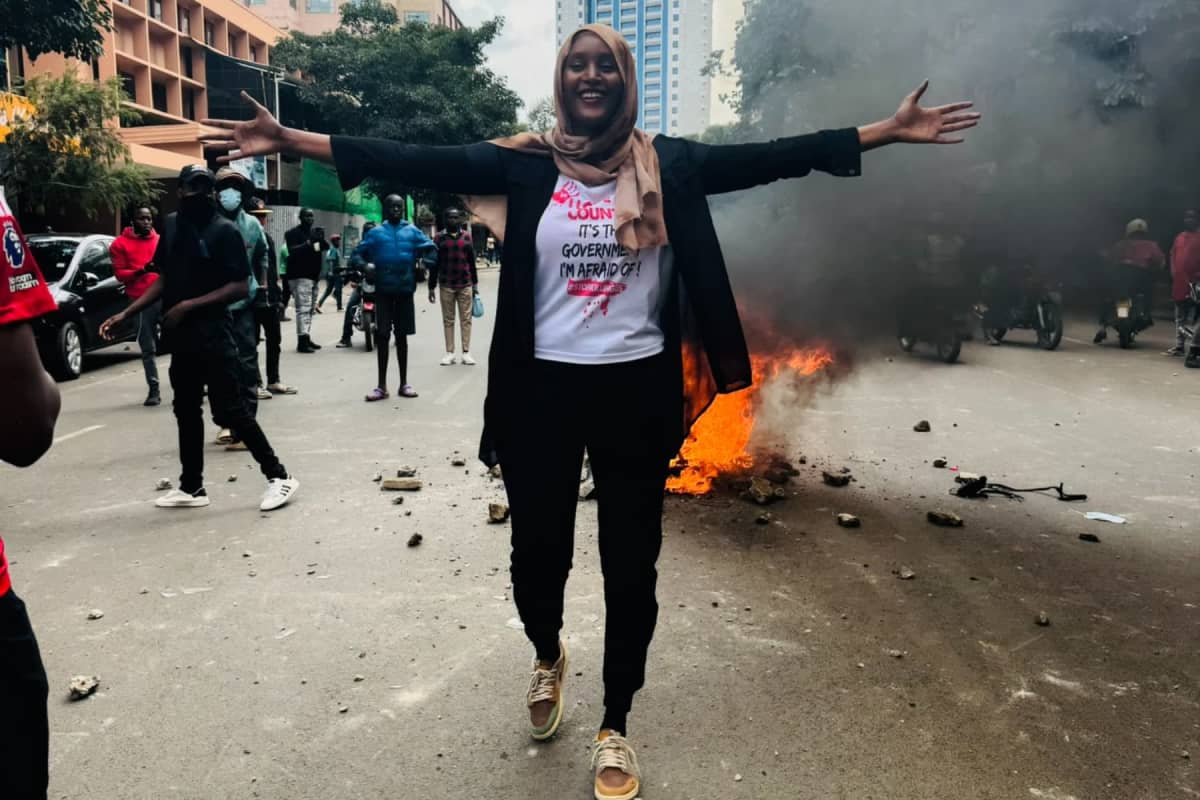
Radio host and activist Hanifa Adan has announced her departure from Radio Generation after serving at the station for four months, bringing to a close a period she says reshaped her perspective on both journalism and activism.
Hanifa, who joined the station on April 3 despite having no formal journalism training, revealed in a statement shared on her X account on Wednesday, August 5, that she had resigned from the media house.
While at the station, she co-hosted The Generation Report with Mung'ala Mbuvi. According to Hanifa, her interview with Kimilili MP Didmus Barasa on Monday, August 3, marked her final assignment before exiting.
"My interview with Didmus Barasa was my last one at Radio Generation. By then, I had already resigned and was moving on to something else," stated Hanifa.
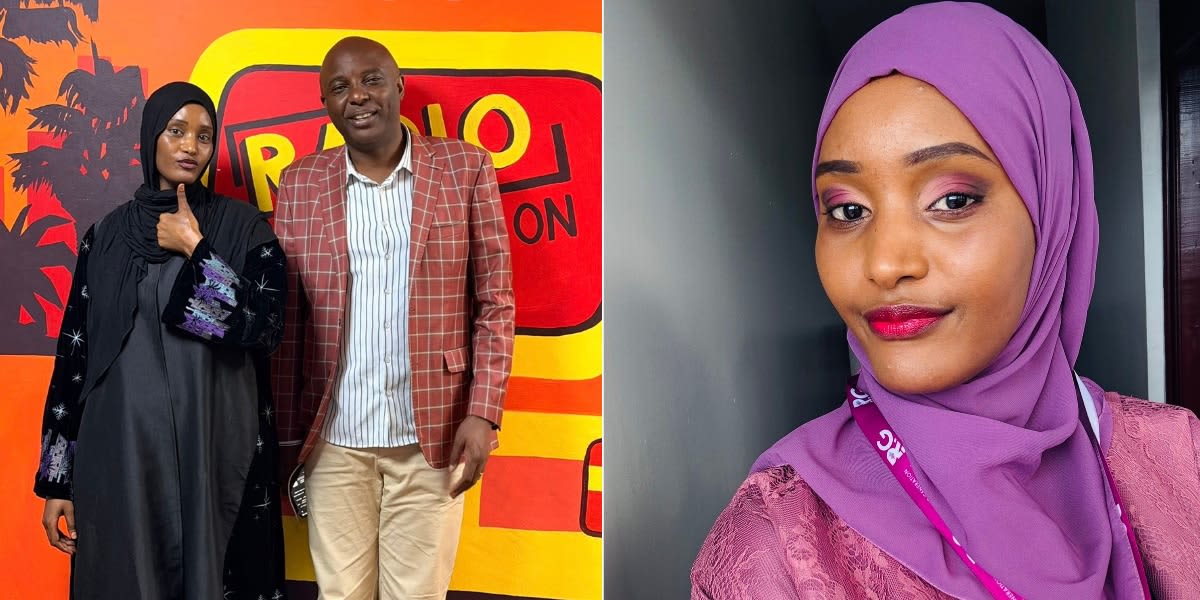
She added, "It was probably the interview that best captured what those few months had taught me when I joined the station; I was far more of an activist than a journalist."
The activist, who rose to national prominence during the 2024 Gen Z protests, said she found it difficult at first to separate her advocacy work from the objectivity required in journalism because of her deeply held views on governance and accountability.
According to Hanifa, this often led to accusations that she was "emotional and biased," particularly when dealing with politicians from the United Democratic Alliance (UDA).
"I was constantly told I was emotional and biased, especially towards UDA politicians. It annoyed me, but I also had to be honest with myself that journalism isn't activism. You don't get to choose who you hold to account. You ask the questions, no matter who is sitting across from you. That was one of the hardest adjustments I had to make," Hanifa stated.
She said her interview with Barasa reflected the challenge of balancing her personal convictions with the professional duty of seeking answers from leaders on matters affecting the public.
Hanifa disclosed that before joining the newsroom, she had turned down opportunities to interview certain politicians because she believed giving them a platform conflicted with her role as an activist.
She cited ODM Youth Wing figure Kasmuel Mc'Oure, explaining that she initially declined to interview him before realising that activism could not dictate her approach as a journalist.
According to Hanifa, her eventual interview with Kasmuel was respectful and further reinforced the distinction between advocacy and journalism.
Reflecting on life beyond the newsroom, Hanifa said activists often face difficulties securing employment because many organisations consider them liabilities and question how they earn a living. She noted that writing for different platforms and consultancy work enabled her to support herself amid growing public attention and criticism.
She also described the last two years as emotionally taxing, marked by relentless public scrutiny, rumours and the constant anxiety of waking up to fresh online controversy involving her name.