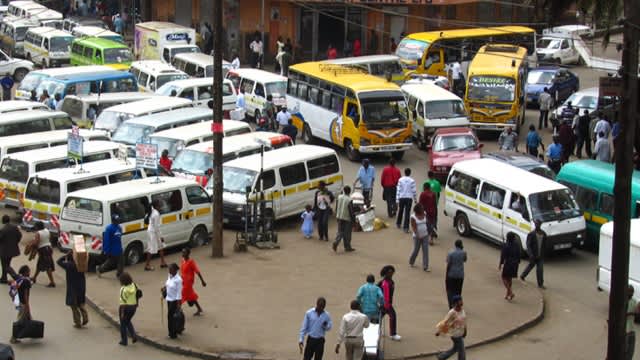
The Matatu Owners Association (MOA) has ruled out an industrial action by public transport operators despite the latest increase in diesel prices, with its president, Albert Karakacha, warning that commuters will bear the greatest burden.
Karakacha spoke on Sunday, October 18, dismissing fears of a possible matatu strike following the latest fuel price review by the Energy and Petroleum Regulatory Authority (EPRA).
Under the new pricing structure, diesel will retail at Ksh227.76 per litre for the October-November cycle, adding to the operating costs faced by transport operators.
According to Karakacha, matatu operators will have little choice but to continue running their businesses despite the higher fuel costs, with the resulting financial pressure likely to be passed on to passengers.

"We will continue running our business. We are business people and we will do what we have to do," he said, adding "The one who will feel the brunt are our customers and I feel sorry for them because the effects will trickle down to them."
Speaking on behalf of matatu owners, Karakacha also accused the government of failing to honour commitments allegedly made during a meeting in Mombasa.
He claimed that the government had promised to facilitate the acquisition and shipping of more than 100,000 electric public service vehicles as part of efforts to reduce the sector's dependence on diesel amid fluctuating fuel prices.
He added that discussions surrounding the proposed transition to electric buses were still ongoing, urging President William Ruto to provide clear guidance on how operators could acquire the vehicles.
"We are still discussing the electric buses. If the president is able to give a clear direction on how we will acquire these vehicles, the issue of fuel will be over," he stated.
The latest EPRA review triggered fresh concerns among motorists, commuters and businesses after fuel prices increased across all three major petroleum products.
Petrol rose by Ksh12.93 per litre, while diesel increased by Ksh9.90. Kerosene recorded the largest adjustment, with its price climbing by Ksh28 per litre.
The increases are expected to place additional pressure on household budgets and business operating expenses, with transport costs likely to influence the prices of goods and services.
Following the announcement, activists and human rights defenders began mobilising for a nationwide protest scheduled for Tuesday, October 20, to oppose the rising cost of fuel and the broader cost of living.
What Happened During the Previous Matatu Strike?
The latest price increases come months after a nationwide matatu strike in May 2026, when public transport operators withdrew their services to pressure the government into reducing fuel prices.
The industrial action began on Monday, May 18, disrupting public transport across the country and leaving commuters stranded. Businesses, schools and motorists travelling along major highways were also affected. In some areas, demonstrations linked to the fuel crisis turned violent, leaving four people dead and more than 30 others injured, according to Reuters.
The strike was temporarily suspended on May 19 to allow negotiations between transport operators and the government. It was eventually called off on May 22 following a meeting between President Ruto and representatives of the transport sector at State House in Mombasa.
Following the negotiations, the government implemented a diesel price reduction, with the cost falling by Ksh10 per litre to Ksh222.86 during the June 15 to July 14 pricing cycle.
However, months later, Karakacha has accused the President of reneging on an earlier commitment concerning diesel prices. According to the MOA president, Ruto had allegedly promised in May to maintain relative stability in diesel prices in the months that followed, despite uncertainties linked to developments in the Middle East.
Commuters' Association Threatens Legal Action
Meanwhile, the Counties Commuters Welfare Association (COCOWA) has issued EPRA with a 14-day ultimatum to revoke the latest fuel price increases or face legal action.
In a press statement released on Sunday, October 18, the association argued that the October review had been conducted without adequate public participation or consultations with stakeholders in the transport sector.
COCOWA warned that commuters would ultimately bear the consequences of the higher fuel prices through increased public transport fares.
The association's position adds to mounting pressure on the government and the energy regulator as Kenyans grapple with rising transport expenses and the wider impact of higher fuel costs on the economy.
