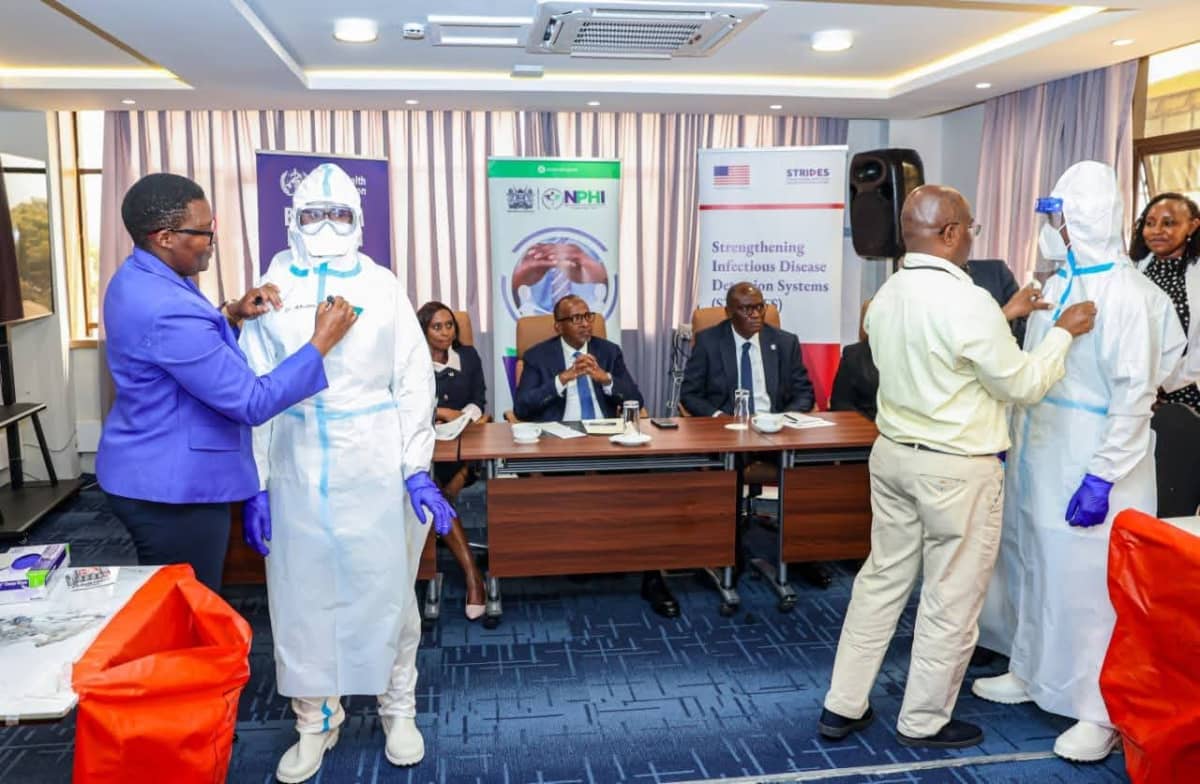
Kenya has intensified its Ebola preparedness measures following an outbreak of the Bundibugyo virus disease in the Democratic Republic of Congo (DRC), with the government assuring the public that no confirmed case has been detected in the country.
The Ministry of Health, through Principal Secretary for the State Department of Public Health Mary Muthoni, revealed in a statement on Tuesday, August 18 that Kenya remains on heightened alert because of its position as a major regional transport and travel hub with extensive links to East and Central Africa.
So far, 196 suspected Ebola alert samples tested in Kenya have returned negative results, while more than 450,000 inbound travellers have been screened at designated points of entry.
Surveillance has been reinforced at Jomo Kenyatta International Airport (JKIA) and border crossings, with authorities deploying digital screening tools, including the WhatsApp-based UHAI chatbot.
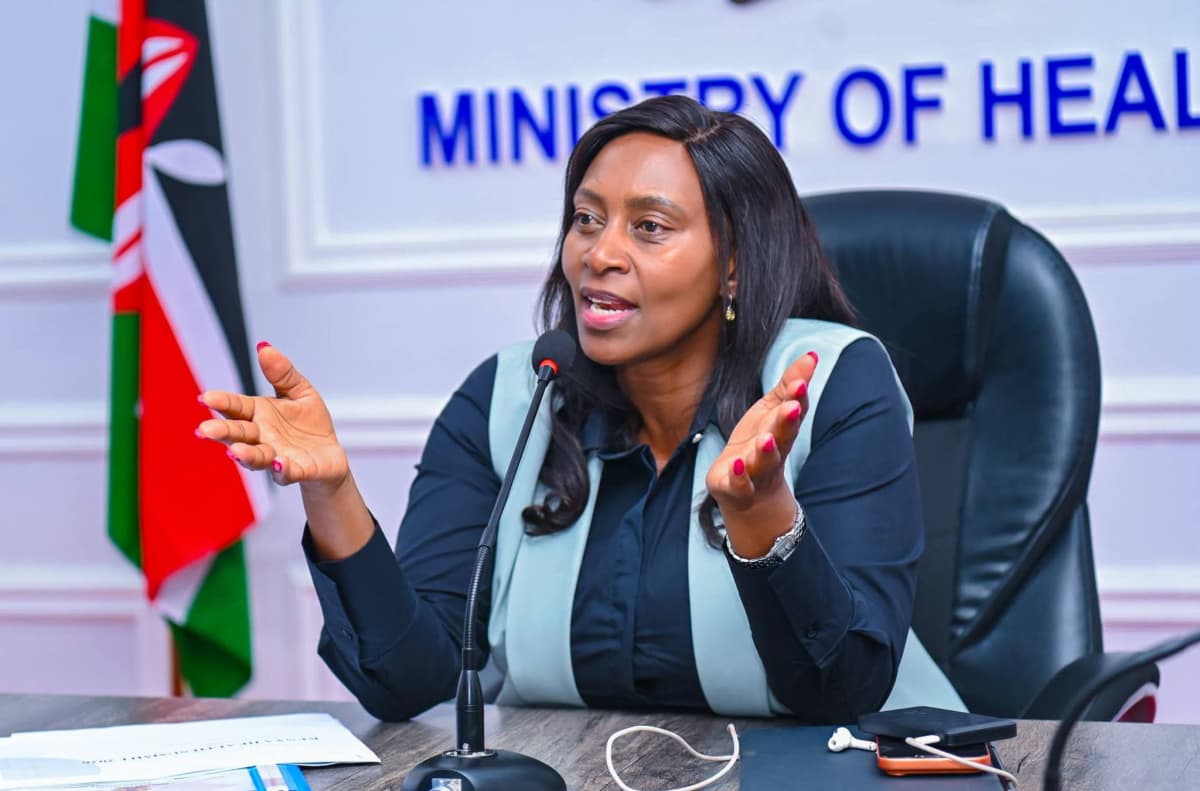
The government says the measures have pushed Kenya's national health security preparedness score to 81 per cent, as authorities strengthen the country's ability to detect and respond to a potential case.
The preparedness efforts come amid the worsening Ebola situation in the DRC, where reports indicate that one person is succumbing to the virus every 30 minutes, raising concerns about the possibility of further regional spread.
US Commits Ksh31 Billion To Ebola Response
The United States government has also announced an additional Ksh31 billion (USD242 million) to support immediate Ebola response and preparedness efforts across Africa.
The funding, announced by the Trump administration, includes support for countries seeking to strengthen their health systems against the virus.
According to the US government, the funding will be directed towards disease surveillance and detection, isolation and treatment of Ebola patients, screening at borders and other points of entry, strengthening health facilities and laboratories, and community engagement campaigns aimed at countering misinformation about the outbreak.
The support comes as countries across the region increase surveillance amid concerns over cross-border transmission.
Kenya Expands Testing and Treatment Capacity
Kenya has designated several laboratories to conduct rapid testing of suspected Ebola samples, including the National Virology Reference Laboratory, KEMRI facilities and mobile laboratories in border counties such as Busia and Bungoma.
The Ministry said testing turnaround times are being maintained at between six and 12 hours, allowing suspected cases to be identified and managed quickly.
More than 4,500 healthcare workers have also been trained and sensitised on Ebola preparedness, while a multidisciplinary team of 343 specialised responders remains on standby for immediate deployment.
The government has designated more than 100 isolation beds at key facilities, including Kenyatta National Hospital, Moi Teaching and Referral Hospital and specialised treatment centres.
More than 15,000 units of personal protective equipment (PPE) and other infection-prevention supplies have also been secured and distributed to high-risk areas.
25 Counties On Heightened Alert
The Ministry revealed that 25 high-risk counties have established operational Emergency Operations Centres, with assessments underway to extend preparedness measures to 10 additional priority counties.
Authorities are also conducting public awareness campaigns through broadcast media, community health promoters, the Jali health chatbot and call centre operations.
The Ministry said its preparedness efforts are not limited to Ebola, with health authorities continuing to respond to other infectious disease threats, including Dengue fever, Mpox and Measles.
Despite the heightened alert, the government has urged Kenyans to remain calm and continue observing basic infection-prevention measures.
Members of the public have been advised to maintain high standards of hand hygiene, avoid self-medication and promptly report suspected symptoms or health alerts to the nearest healthcare facility.
The Ministry maintains that Kenya has not recorded a confirmed Ebola case, but surveillance and rapid-response systems will remain on high alert as the DRC outbreak continues and regional movement remains high.