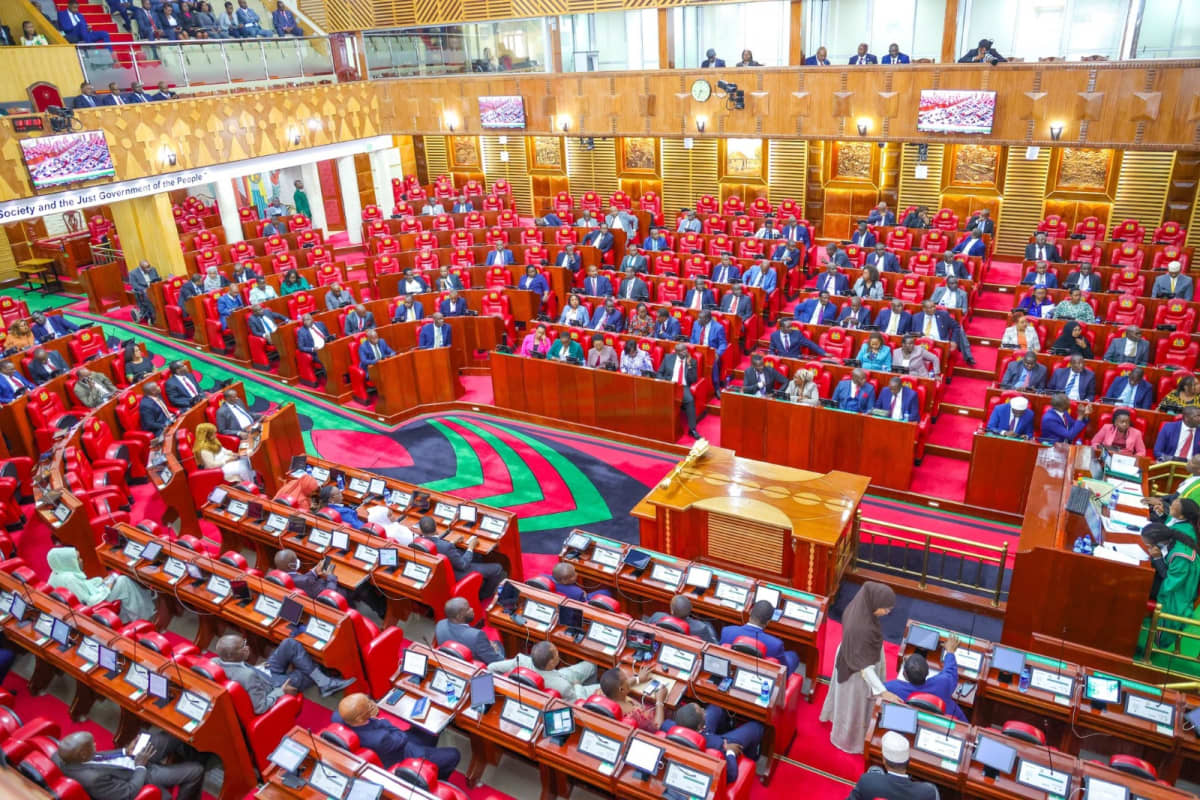
The National Assembly has approved the Finance Bill, 2026 after a recorded electronic vote, paving the way for its transmission to President William Ruto for assent as the government moves to implement a new package of tax and revenue measures for the 2026/27 financial year.
The Bill was passed on Thursday evening, June 18 after lawmakers adopted all amendments proposed by the Finance and National Planning Committee, bringing to a close weeks of debate and scrutiny over the government's revenue-raising plans.
In the final vote, 122 Members of Parliament supported the legislation, while 40 voted against it. No MP abstained.
The House had initially approved the Bill through acclamation. However, a section of legislators demanded a division, arguing that the matter required a recorded outcome. After the request met the threshold required under parliamentary rules, the Speaker directed that an electronic vote be conducted.

The formal tally ultimately confirmed majority support for the Bill, clearing the final parliamentary hurdle before the proposed law is forwarded to the President.
The passage of the Finance Bill follows extensive deliberations in the National Assembly, where legislators examined a raft of tax proposals aimed at increasing government revenue while balancing concerns raised by taxpayers, businesses and other stakeholders.
The Finance Bill 2026 proposes amendments to several key tax laws, including the Income Tax Act, the Value Added Tax Act, the Excise Duty Act, the Tax Procedures Act, the Miscellaneous Fees and Levies Act, and the Stamp Duty Act.
According to the government, the changes are intended to broaden the tax base, improve compliance among taxpayers and strengthen revenue mobilisation to support spending priorities outlined in the 2026/27 budget.
The proposed measures form part of the government's broader strategy to increase domestic revenue collection as it seeks to finance development projects, public services and other budgetary commitments without significantly increasing borrowing.
During the committee stage, lawmakers made a number of adjustments to the Bill after considering public submissions and concerns raised by various stakeholders.
Several contentious tax proposals that had attracted criticism during public participation were either revised or dropped altogether. Legislators also moved to preserve selected tax reliefs on essential goods in an effort to cushion households from additional financial pressure.
The changes reflected attempts by Parliament to strike a balance between the government's need to raise revenue and concerns over the cost of living, which has remained a major issue for many Kenyans.
Debate on the Bill largely centred on the potential impact of the proposed tax measures on consumers, businesses and overall economic activity, with supporters arguing that enhanced revenue collection is necessary to fund government programmes, while critics warned against measures that could increase the burden on taxpayers.
With parliamentary approval now secured, the Finance Bill 2026 will be transmitted to President William Ruto for consideration. Once received, the President may assent to the legislation, allowing it to become law and take effect as part of the government's fiscal plans for the new financial year.
Its enactment would usher in a series of tax and administrative changes expected to shape revenue collection and government spending throughout the 2026/27 budget cycle.
