President William Ruto has signed two bills into law, paving the way for county governments to receive an additional Ksh71 billion from the national government and development partners.
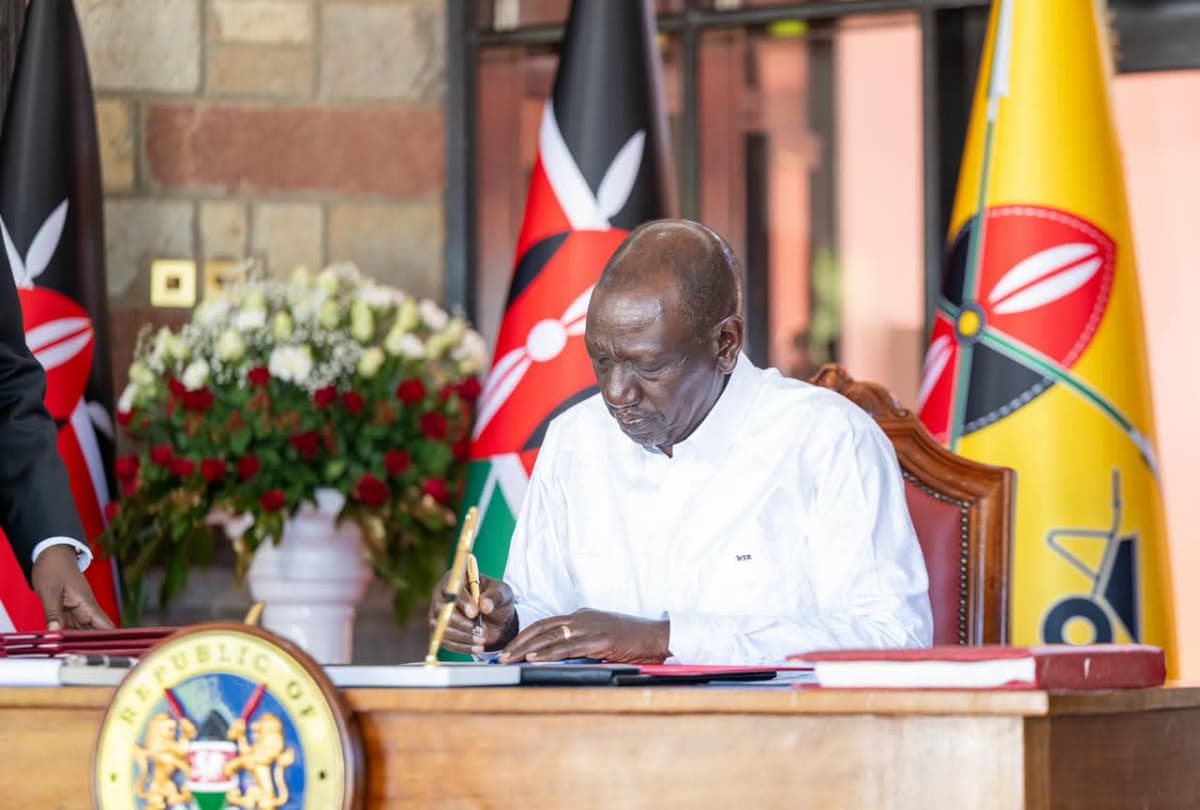
Ruto assented to the County Governments Additional Allocations Bill, 2026, and the County Assembly Services (Amendment) Bill, 2023, at Eldoret State Lodge on Monday, October 19.
The two bills, which had previously been passed by the Senate, introduce new funding arrangements for counties and establish procedures for removing County Assembly Service Board members and suspending county assembly clerks.
The County Governments Additional Allocations Act, 2026, provides for an additional Ksh71.09 billion to be distributed among the 47 county governments during the 2026/27 financial year.
The funding will be drawn from the national government's share of revenue, alongside loans and grants from development partners.
The legislation establishes the legal framework for transferring conditional allocations from the national government and development partners to county administrations across the country.
The bill, presented to the Senate by Mandera Senator Ali Roba, covers unconditional allocations arising from statutory entitlements, conditional funding from the national government's revenue share, and proceeds from loans and grants provided by development partners.
Of the total Ksh71.09 billion approved, Ksh16.46 billion will come from the national government's allocation, while Ksh53.82 billion will be sourced from development partner loans and grants.
The funds are earmarked for priority programmes and projects in key sectors, including healthcare, agriculture, affordable housing, urban infrastructure and climate change.
The additional allocations are expected to support county governments in implementing development projects and delivering essential services during the 2026/27 financial year.
New Procedures for Removing County Assembly Board Members
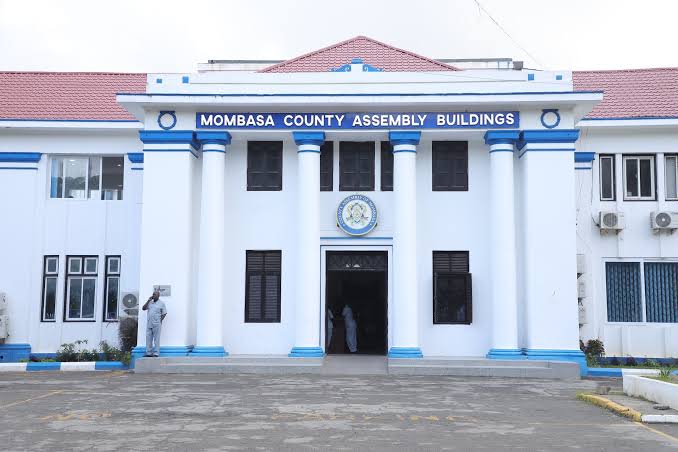
Ruto also signed the County Assembly Services (Amendment) Bill, 2023, into law, introducing formal procedures for removing members of County Assembly Service Boards and establishing safeguards governing the suspension of county assembly clerks.
The legislation outlines how petitions seeking the removal of board members should be initiated and reviewed, including timelines for processing complaints and provisions allowing affected individuals to be represented by legal counsel.
Under the new framework, a removal petition must be submitted to the Clerk before the Speaker forwards it to the county assembly within seven days. An 11-member select committee will then be tasked with examining the petition within 10 days.
The process is intended to establish a structured mechanism for handling removal petitions while ensuring that the individuals concerned have an opportunity to respond through legal representation.
The law also sets out requirements for suspending county assembly clerks, including the provision of written reasons explaining the proposed action.
Affected clerks must be given seven days to respond to the allegations and are entitled to a hearing before the matter is determined.
Protection for Seconded County Assembly Officers
The amendment further introduces safeguards for county assembly officers seconded to other institutions. Under the new provisions, the officers will retain protections relating to their salaries, benefits and allowances while serving in other institutions.
The law also protects their reinstatement rights, providing a framework for their return to their substantive positions.
The changes seek to clarify the procedures governing county assembly personnel matters while safeguarding the rights and employment benefits of officers serving outside their original institutions.