
The government has announced the release of the first 20 Ebola contacts after they completed the mandatory 21-day monitoring period without showing symptoms, according to the Ministry of Health.
In a press release issued on Monday, October 26, 2026, Director-General for Health Patrick Amoth confirmed that the individuals were in good health and had satisfied the requirements for discharge from quarantine.
“Today, the first twenty (20) contacts who have completed the full 21-day monitoring period and are in good health are returning home to their families,” Amoth stated.
The ministry disclosed that the remaining 98 contacts would be released in four batches starting November 3, subject to individual health assessments.
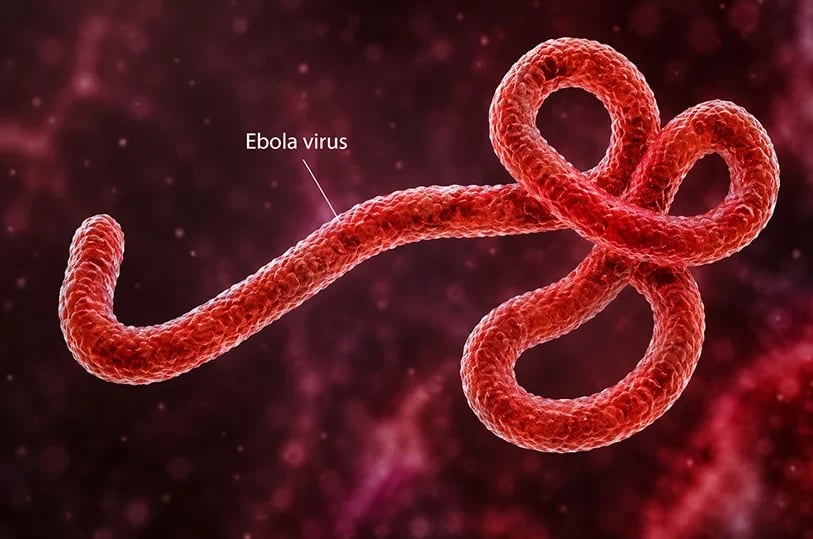
The contacts were identified following Kenya’s first imported Ebola case on October 3, involving a Kenyan citizen who had been living in the Democratic Republic of Congo (DRC) before entering the country through Uganda without being detected.
The government has urged communities to receive those leaving quarantine with warmth and compassion, cautioning against stigmatisation or discrimination against individuals who have completed monitoring without developing symptoms.
The Ministry of Health acknowledged that quarantine could place emotional strain on affected individuals and their families. It said mental health professionals were offering counselling and psychosocial support to contacts, patients and frontline healthcare workers.
"Each of the twenty contacts was assessed against the release criteria, including 21 days without any symptoms since their last exposure. They do not pose any risk to their families, colleagues or neighbors, and we ask communities to welcome them back home warmly," the ministry urged.
The ministry further reported that Kenya’s confirmed Ebola cases remained at nine, including two deaths, translating to a case fatality rate of 22.2 per cent. Seven patients were stable and receiving treatment in designated units.
Genomic sequencing of three samples linked the infections to the initial confirmed case and the Bundibugyo virus lineage circulating in the DRC. Six additional samples were still undergoing analysis.
Meanwhile, Health Cabinet Secretary Aden Duale expressed optimism that Kenya could be declared Ebola-free within 21 days if no new infections were reported, as the country works towards meeting the required 42-day period without new cases.
Duale attributed the progress to the ministry’s efforts to contain the virus and monitor individuals who had come into contact with the initial case, noting that the outbreak had not spread into the wider community.
Amref Health Africa Group CEO Dr Githinji Gitahi also credited Kenya’s containment efforts for the progress made, pointing to extensive contact tracing while warning that surveillance at the country’s borders remained a potential weak point.
"In Kenya, I can say that we have almost 100 percent contact tracing from the index case. The cases identified are the ones who have actually been contacted and are under monitoring, and therefore care is immediate and quick because care determines the outcome," Githinji stated.
